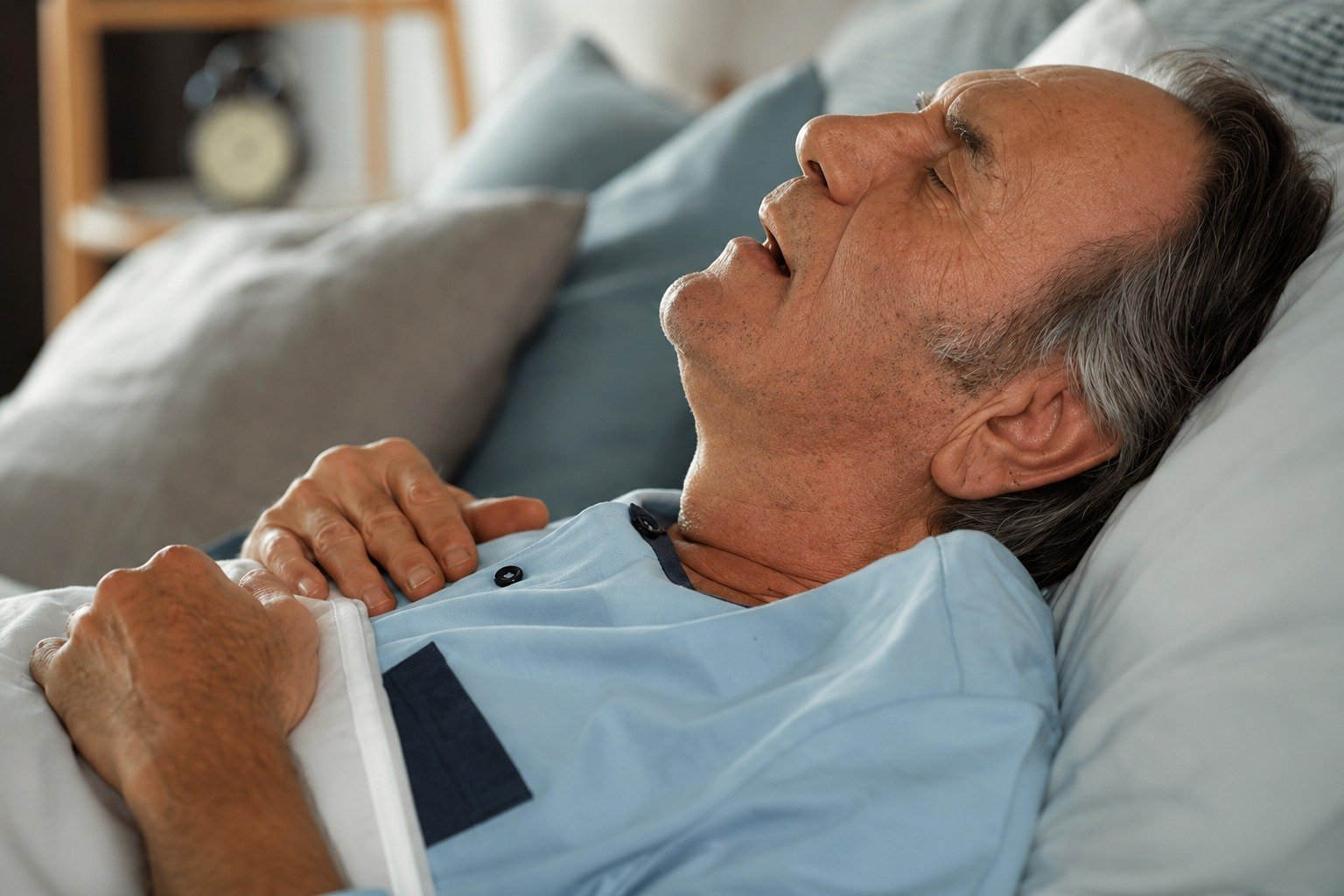
Navigating senior health challenges often reveals surprising links between sleep and brain function. Addressing unmanaged sleep apnea in seniors becomes vital for family caregivers today. Recognizing these critical signs early helps protect delicate memory pathways from further damage.
Restorative sleep acts as an essential shield against progressive cognitive impairment. Persistent nighttime oxygen drops quietly accelerate memory loss in vulnerable aging loved ones. Taking proactive steps supports brain health and long-term daily stability.
How Does Sleep Apnea in Seniors Impact Cognitive Decline?
Sleep apnea causes repeated nighttime oxygen drops that severely disrupt healthy brain function over time. These frequent interruptions prevent the brain from clearing harmful proteins linked to memory loss. Treating nighttime breathing issues early helps preserve essential neural pathways and daily cognitive strength.
Why Does Sleep Apnea in Seniors Cause Nighttime Oxygen Deprivation?
When breathing repeatedly stops during sleep, vital oxygen levels drop significantly throughout the night. As a result, these sudden drops trigger systemic vascular inflammation and stress delicate cerebral blood vessels. Over time, persistent arterial stress directly damages sensitive brain tissue responsible for working memory.
Furthermore, chronic hypoxia weakens the structural integrity of complex deep brain networks. Therefore, early clinical intervention is crucial to maintaining everyday mental sharpness. Understanding cognitive health decline helps families manage sleep apnea in seniors through proactive care.
Additionally, oxygen deprivation disrupts crucial cellular repair mechanisms that occur during deep rest. As a result, injured neurons struggle to communicate effectively across vital central nervous system pathways. Consistent nighttime therapy helps maintain optimal cerebral perfusion and supports long-termbrain stability.
Finally, unmanaged nighttime breathing issues accelerate executive function impairment in vulnerable older adults. Thus, monitoring nocturnal oxygen saturation becomes an essential component of comprehensive geriatric wellness. Proper clinical management preserves daily function and protects ongoing cognitive independence.
How Do You Identify Sleep Apnea Symptoms versus Normal Aging?
Many families mistakenly attribute severe chronic fatigue and persistent morning grogginess to natural aging. However, excessive daytime sleepiness often signals underlying nocturnal respiratory disturbances that require a professional medical evaluation. Additionally, observing these key warning signs can help clarify your loved one’s daily health needs:
- Loud, persistent snoring: Disruptive breathing patterns accompanied by sudden gasping or choking sounds throughout the night.
- Frequent morning headaches: Dull, recurring head pain caused by drops in nighttime oxygen and interrupted rest.
- Nighttime restlessness or insomnia: Repeated waking episodes that leave older adults exhausted during the day.
- Excessive daytime sleepiness: Uncharacteristic exhaustion or falling asleep during routine daytime activities and social interactions.
- Dry mouth upon waking: Waking up regularly with severe mouth dryness resulting from persistent mouth breathing overnight.
Recognizing these distinct clinical symptoms early prevents unnecessary physical and emotional strain for families. Tracking behavioral changes also gives attending physicians valuable data during routine health examinations. Addressing sleep apnea in seniors starts with noticing these vital nighttime indicators.
Why Does Sleep Disruption Accelerate Brain Plaque Accumulation?
During deep, uninterrupted sleep, the brain’s glymphatic system actively flushes out metabolic waste products. Alternatively, frequent nocturnal awakenings interrupt this natural cleansing process, allowing toxic proteins to accumulate rapidly. Unfiltered beta-amyloid plaques impair synaptic communication and accelerate progressive neurodegeneration.
Instead of healing, chronic sleep fragmentation compromises the brain’s natural cellular defense and maintenance mechanisms. As a result, neurological tissue remains highly vulnerable to accelerated cellular damage and chronic vascular inflammation. Exploring targeted memory care plans can help manage sleep apnea effectively in seniors.
Meanwhile, damaged neural connections struggle to consolidate short-term memories into lasting long-term recall. On top of that, seniors experience heightened confusion, daily disorientation, and increased emotional frustration during waking hours. Restoring healthy sleep architecture remains vital for slowing neurodegenerative progression in vulnerable adults.
Ultimately, establishing structured cognitive stimulation during waking hours supports overall brain resilience and daily functional capacity. For this reason, comprehensive nighttime care routines help safeguard fragile cognitive pathways from further degradation. Proper clinical oversight ensures seniors receive the continuous physiological rest their brains require.
What Are the Best Ways to Manage CPAP Compliance in Seniors?
Older adults with memory challenges often resist wearing bulky CPAP masks at night. However, consistent assistance from compassionate caregivers makes adjusting to non-invasive positive pressure therapy significantly easier. Implementing these practical management strategies supports seamless daily compliance and ongoing physical comfort:
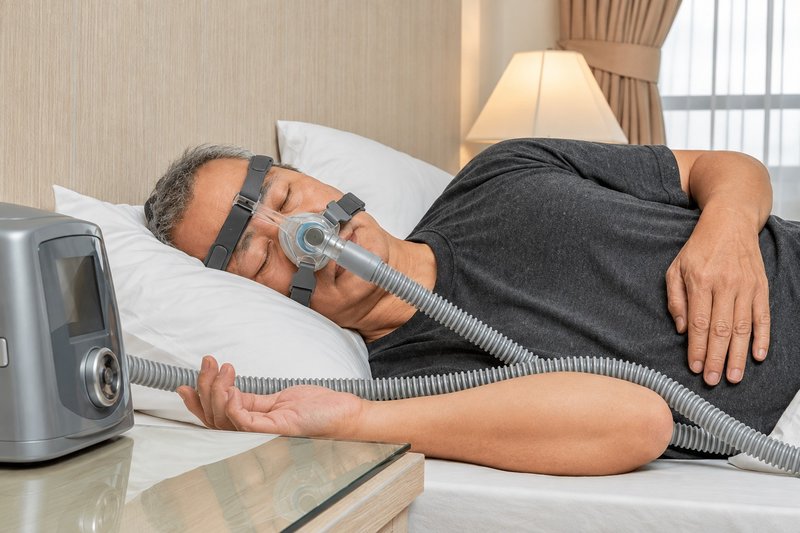
- Gentle nightly mask fittings: Proper sizing prevents painful skin irritation and uncomfortable air leaks.
- Calm, reassuring bedtime routines: Predictable evening habits reduce anxiety about using the CPAP machine each night.
- Continuous equipment hygiene management: Regular cleaning prevents bacterial buildup and ensures consistent airflow delivery.
- Heated humidifier adjustments: Adding warm moisture prevents nasal dryness, irritation, and upper airway discomfort during sleep.
- Gradual acclimatization steps: Allowing seniors to wear masks for short periods during the day builds comfort and confidence.
Providing patient, hands-on support helps seniors adapt comfortably to necessary medical devices over time. Compared with solitary home settings, reliable, routine care reduces bedtime agitation and promotes peaceful, uninterrupted nightly rest. Managing sleep apnea in seniors relies heavily on this structured, compassionate assistance.
How Do Small Communities Ensure Attentive Nighttime Care for Residents?
Small-footprint care settings maintain exceptional staff-to-resident ratios that enable vigilant, continuous overnight monitoring. To illustrate, dedicated night caregivers quickly notice displaced CPAP masks, respiratory distress, or nocturnal restlessness. Proactive behavioral tracking tools let staff adapt night-care protocols efficiently to each resident's patterns.
In particular, nighttime caregivers offer immediate, gentle assistance without creating institutional noise or unnecessary disorientation. In short, residents maintain peaceful sleep rhythms in familiar, home-like environments designed for comfort and safety. Exploring comprehensive residential memory care ensures your loved one receives attentive, specialized nocturnal support.
In low-density residential settings, staff can provide immediate reassurance whenever nighttime confusion arises. Beyond this benefit, seniors experience lower anxiety levels, leading to deeper, more restorative sleep periods overall. Managing sleep apnea in seniors becomes much simpler within small, highly attentive communities.
Above all, strong caregiver attention across overnight shifts guarantees seamless continuity of personalized health management. Indeed, timely medical adjustments address subtle shifts in breathing patterns or sleep quality. This specialized, residential focus gives families complete peace of mind.
Finding Peace of Mind for Your Loved One's Cognitive Health
Navigating complex senior health decisions requires finding a trusted partner dedicated to personalized, compassionate care. At Assured Senior Living, our small, home-style communities offer low staff-to-resident ratios for attentive overnight monitoring. We prioritize resident dignity, health, and comfort through individualized care plans tailored to each person's needs.
Understanding the strong connection between restorative sleep and brain health helps families make confident choices. Our specialized residential environments ensure proper CPAP compliance, continuous safety oversight, and peaceful, home-like surroundings. Contact our team today to explore your options for exceptional residential care.
Frequently Asked Questions
Q: Does sleep apnea cause dementia?
A: Sleep apnea does not directly cause dementia, but untreated sleep apnea significantly increases the risk of cognitive impairment and accelerates Alzheimer's progression.
Q: How is sleep apnea diagnosed in elderly patients?
A: Diagnosis is made through a clinical evaluation followed by an overnight sleep study, which can often be conducted conveniently in their residential room.
Q: Can a CPAP machine be used in an assisted living setting?
A: Yes, trained care staff regularly assist residents with setup, mask fitting, cleaning, and nightly compliance.
Q: What are the signs of sleep apnea in an older adult?
A: Common indicators include loud snoring, gasping for air during sleep, waking with a dry mouth, morning confusion, and extreme daytime fatigue.
Q: How does treating sleep apnea affect cognitive health in older adults?
A: Effective treatment restores proper brain oxygenation, improves daytime focus, sharpens memory recall, and slows down further cognitive decline