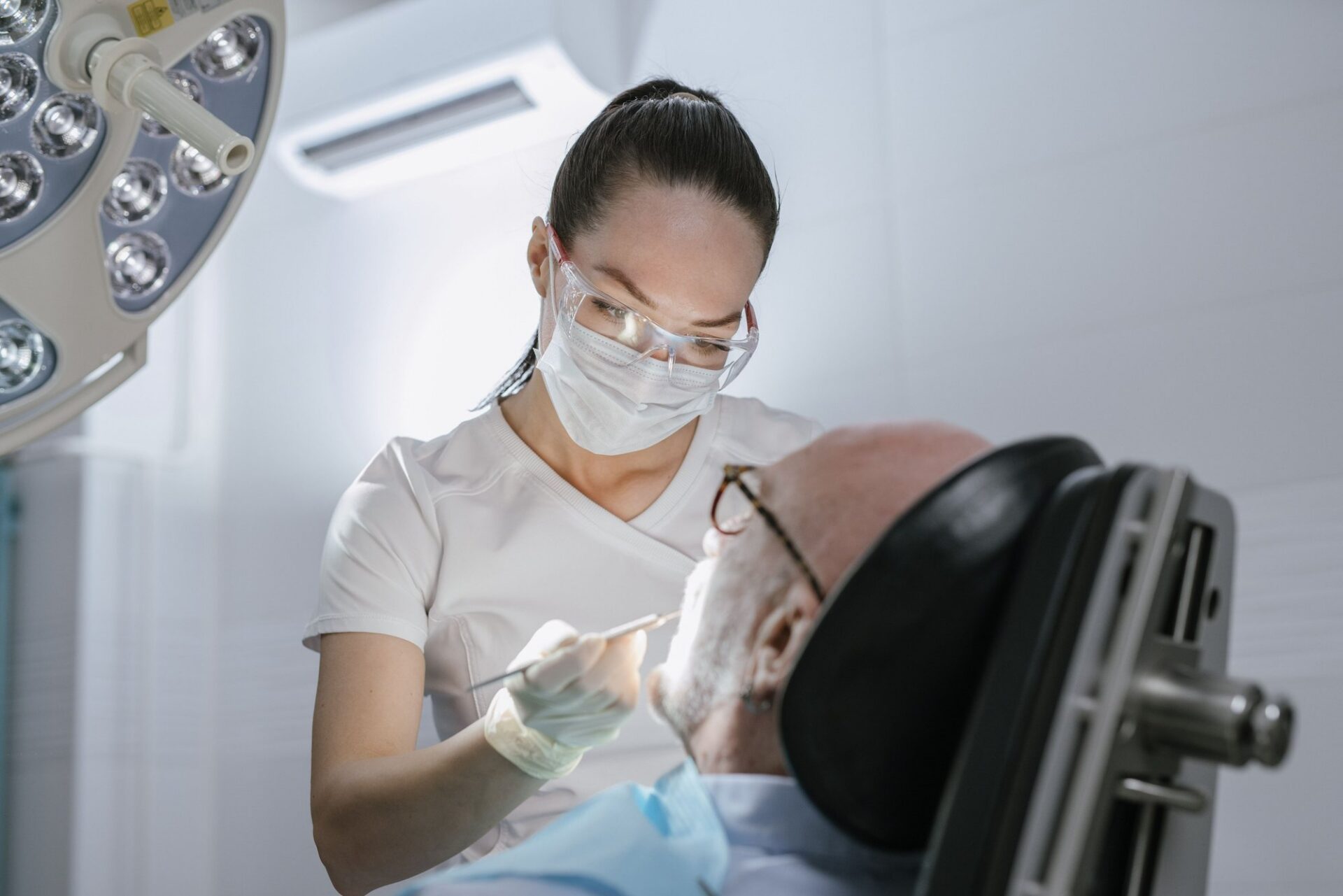
Understanding the connection between oral pathology and brain health is crucial for long-term wellness. Furthermore, recent research reveals a significant link between dental health and dementia risk in aging adults across Colorado communities. Consequently, proactive oral hygiene helps protect cognitive function in later life.
In addition, chronic inflammation in the mouth can harm overall systemic health over time. Moreover, harmful oral bacteria frequently enter the bloodstream and spread toward major organs without warning. Therefore, addressing minor dental issues early remains a primary defense against serious physical decline.
What Is the Link Between Dental Health and Dementia Risk?
Recent clinical studies confirm that chronic periodontal infections directly impact long-term brain health in adults. Understanding this link also helps caregivers prioritize daily care routines. As a result, maintaining routine oral hygiene serves as a critical shield against progressive cognitive decline.
How Does Gum Disease Impact Brain Health and Elevate Alzheimer's Risk?
Periodontal bacteria frequently enter the bloodstream through swollen, inflamed gum tissue during daily activities. In addition, evaluating overall dental health and dementia risk encourages families to seek proactive oral support early. As a result, these harmful pathogens gradually cross the blood-brain barrier and trigger persistent, dangerous neuroinflammation.
Moreover, inflammation in brain tissue accelerates the accumulation of harmful amyloid plaques over time. Similarly, ongoing bacterial exposure damages delicate neurons, significantly degrading overall memory and cognitive processing. Thus, healthy gums serve as an essential physical barrier that protects vulnerable central nervous system pathways.

Furthermore, reducing oral inflammation helps minimize systemic strain as adults age. Specifically, preventing advanced gum disease limits the number of circulating pathogens that can reach delicate brain tissue. Hence, daily oral care should always be viewed as vital preventive medicine for long-term brain function.
How Can Caregivers Identify Hidden Dental Discomfort in Non-Verbal Seniors?
When seniors lose verbal communication skills, caregivers must monitor for physical pain daily through observation and compassion. Conversely, understanding how caregiver ratios mitigate underlying dental health and dementia risk prevents severe medical emergencies. Accordingly, attentive residential care teams must recognize non-verbal distress signals.
- Refusal of hard foods: Seniors may suddenly avoid chewing firm foods or rely exclusively on warm liquids.
- Frequent facial touching: Unconscious rubbing of the jawline or cheek often indicates a deep, localized toothache.
- Sudden behavioral shifts: Unexplained agitation during meals usually points to acute oral discomfort while chewing.
For example, monitoring sudden changes in daily eating patterns helps caregivers quickly pinpoint subtle physical issues. This helps caregivers intervene quickly, reduce prolonged suffering, and restore comfort for non-verbal individuals in residential care. In short, diligent daily observation protects vulnerable adults from the secondary risks of untreated oral infections.
Why Does Cognitive Decline Make Routine Dental Care Harder for Seniors?
As cognitive loss progresses, adults often lose the motor skills needed to use a toothbrush effectively. On top of that, overlooking the heightened dental health and dementia risk can accelerate oral pain and mental confusion. As a result, they often forget basic oral hygiene routines, leading to rapid and severe dental deterioration.
Meanwhile, individuals experiencing memory loss often struggle to communicate that they are suffering from severe tooth pain. Additionally, tracking cognitive health helps families notice subtle behavioral shifts that signal underlying pain. With this in mind, caregivers must learn to recognize these subtle physical cues before infection worsens.
Likewise, consistent morning routines help adults maintain familiar daily habits longer in their care journey. As a result, structured environments offer gentle prompts that make essential hygiene tasks feel reassuring, not confusing. Ultimately, personalized support models protect vulnerable seniors from experiencing painful, hidden oral conditions.
How Does Residential Memory Care Support Daily Oral Hygiene and Overall Wellness?
Standard dental clinic visits often cause severe sensory overload and intense anxiety for individuals with cognitive decline. Instead, managing daily dental health and dementia risk through personalized residential support reduces stress significantly. As a result, gentler, familiar daily home care routines for routine hygiene prove far more effective over time.
- Morning brushing assistance: Trained caregivers guide residents through gentle, structured toothbrushing routines every morning.
- Evening denture care: Staff members ensure dentures are cleaned and stored safely every single night.
- On-site dental visits: Mobile practitioners perform checkups directly within the comforting residential care setting.

In addition, trained caregivers in residential care environments patiently assist with thorough daily brushing and denture maintenance. Structured memory care protocols ensure that every resident receives calm, dignified physical support tailored to their needs. This approach protects neurological wellness while honoring each person's emotional comfort.
Why Is Personalized Daily Care Essential for Managing Dental Health and Dementia Risk?
Because oral pathology directly affects cognitive health, it requires a comprehensive, personalized approach to care. As a result, addressing long-term dental health and dementia risk safeguards both physical and mental well-being. Alongside this, individualized wellness plans effectively bridge the gap between necessary hygiene and physical independence.
Similarly, professional caregivers receive specialized training to provide calm, non-coercive hygiene assistance during morning and evening routines. Moreover, integrating gentle guidance into daily schedules helps residents maintain personal dignity while receiving necessary physical help. Above all, compassionate assistance prevents chronic gum inflammation and supports overall neurological health over time.
In conclusion, small-footprint residential environments naturally foster strong personal bonds between dedicated caregivers and vulnerable residents. By contrast, a home-style setting helps staff notice minor shifts in oral health quickly. As a result, low resident ratios empower care teams to deliver proactive, continuous support that safeguards long-term wellness.
Supporting Dignity and Long-Term Wellness Through Thoughtful Residential Care
Navigating the complex connection between oral health and cognitive wellness requires a gentle, well-coordinated approach to daily care. In summary, prioritizing consistent hygiene routines in a calm, familiar home environment protects both physical safety and personal dignity. Overall, small residential settings offer the close oversight needed to support complete health without causing unnecessary distress.
If you are exploring care options for a loved one, Assured Senior Living provides compassionate, home-style residential memory care tailored to individual health needs. Our dedicated care teams maintain low caregiver ratios, offering gentle daily hygiene support, transparent operations, and coordinated health services across our Colorado communities. Reach out to explore options for holistic, dignified care.
Frequently Asked Questions
Q: Can poor oral hygiene cause or accelerate dementia?
A: Research indicates that chronic gum disease bacteria cause brain inflammation, which is strongly linked to an increased risk and accelerated progression of Alzheimer's.
Q: How should assisted living communities help residents with dental hygiene?
A: Communities should incorporate personalized morning and evening dental care routines, monitor oral health daily, and coordinate on-site dental visits.
Q: Does Medicare cover dental care for seniors in assisted living?
A: Traditional Medicare generally does not cover routine dental care, though some Medicare Advantage plans or private payment options provide coverage.
Q: What is the link between gum disease and Alzheimer's disease?
A: Porphyromonas gingivalis, the main bacterium in gum disease, has been identified in the brains of Alzheimer's patients, where it damages brain neurons.
Q: How often should seniors in memory care see a dentist?
A: Seniors should receive professional dental checkups and cleanings every six months, or more frequently if periodontitis is present.