Rehabilitation consistently improves strength, mobility, and confidence for aging adults. Rehabilitation services help residents effectively regain essential daily living and mobility skills. Families increasingly seek programs supporting physical health and emotional well-being holistically.
Furthermore, older adults often develop multiple chronic conditions that affect movement and function. Structured therapy programs address these limitations while steadily promoting independence. Rehabilitation supports vital needs that persist across aging trajectories.
How Do Rehabilitation Services Restore Independence and Strength?
Rehabilitation services restore independence by improving strength, balance, and daily function. Tailored therapy helps residents regain confidence while performing essential tasks safely. Holistic programs combine physical and cognitive exercises, including cognitive stimulation versus rehabilitation, to support overall recovery effectively.
How Rehabilitation Services Set Personalized Goals for Recovery
Personalized goals ensure that rehabilitation services precisely address each resident’s unique abilities and needs. Goals typically target mobility, strength, coordination, and cognitive skill development simultaneously. Regular progress tracking consistently offers clear milestones and measurable improvements for participants.
Therapists use individualized assessments to establish achievable objectives and monitor progress, including setting rehabilitation goals. Families participate in discussions to align expectations and to thoroughly understand the benefits of therapy. Clear objectives create a structured path for meaningful recovery and motivation.

Rehabilitation service plans emphasize practical tasks such as walking, eating, and performing self-care independently. Therapy supports autonomy while maintaining safety and confidence during daily routines. Strong communication enhances engagement, satisfaction, and positive outcomes throughout recovery.
More than half of older adults have three or more chronic conditions that challenge daily living. Structured therapy helps manage these issues and effectively improve functional independence. Residents benefit from measurable gains as they consistently regain strength and confidence.
What Types of Therapy Are Most Effective?
Physical therapy reliably strengthens muscles, improves balance, and supports safe movement. Occupational therapy consistently emphasizes independence in daily routines and the development of practical skills. Speech therapy enhances communication, cognition, and swallowing following injuries or declines.
Combined rehabilitation services provide holistic recovery by addressing multiple aspects of health simultaneously. Each discipline complements the others, yielding stronger outcomes than isolated therapy approaches. Integrated methods consistently achieve faster improvements and longer-lasting results.
Therapists carefully evaluate residents' needs to select rehabilitation services and exercises targeting mobility and strength. Regular adjustments ensure that participants' progress aligns with performance and that observable gains are accurately recorded. Personalized therapy enhances long-term independence while naturally maintaining confidence and emotional well-being.
Residents practice skills through meaningful, repetitive activities tailored to daily living needs. Therapeutic exercises encourage positive engagement with the surroundings and social interaction. Collaborative rehabilitation ensures that improvements translate into practical, real-world independence.
Integrating Rehabilitation into Daily Life
Incorporating rehabilitation services into everyday routines improves recovery while preserving functional abilities. Residents benefit from consistent participation in safe exercises and practical activities. Repetition in realistic contexts strengthens confidence and helps retain newly acquired skills effectively.
To optimize rehabilitation services outcomes, consider including the following activities in daily routines:
- Morning stretching and balance exercises improve strength and overall mobility
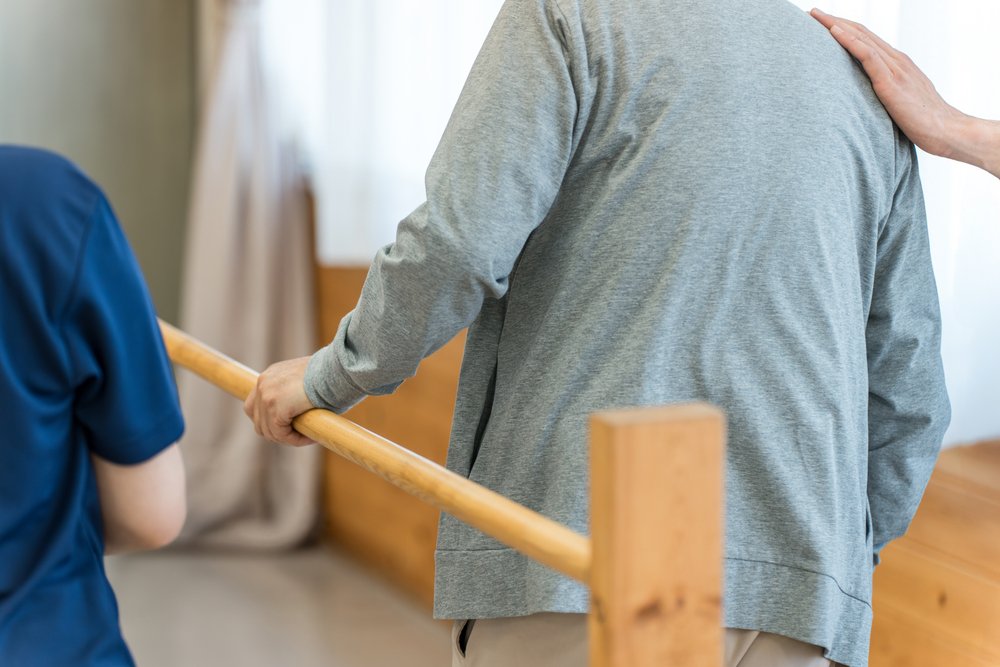
- Assisted walks in the home or garden encourage safe independence
- Functional tasks like dressing, cooking, and light chores build autonomy
- Cognitive games or memory exercises enhance brain function and engagement
- Safe social activities encourage movement and connection with supportive peers
Embedding rehabilitation services into daily life reinforces confidence while sustaining progress over time. Structured routines support independence while consistently fostering meaningful participation in life.
How Can Safety and Independence Be Balanced?
Rehabilitation must prioritize safety while consistently encouraging exploration and independent movement. Adaptive equipment reduces risks while preserving residents' functional freedom, supporting their safety. Supervised areas allow seniors to practice skills securely and confidently, balancing safety and independence in senior care.
Encouraging independence builds self-esteem while maintaining protective measures in daily routines. Caregivers and therapists consistently anticipate hazards and introduce safe solutions. Families gain peace of mind when residents remain both safe and empowered effectively.
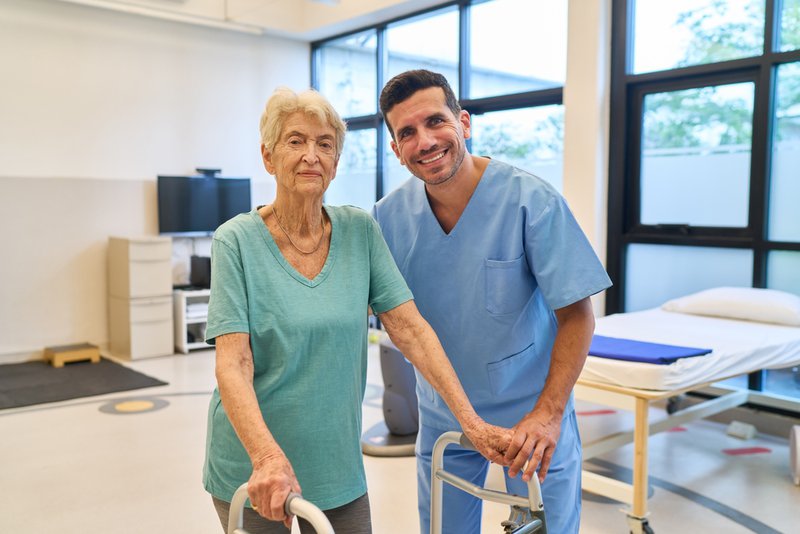
Pairing safety protocols with targeted exercises helps residents gradually gain confidence. Education and training for caregivers effectively enhance oversight and reduce potential hazards. Residents achieve meaningful milestones while safely practicing skills in supportive environments.
Comfortable, monitored rehabilitation services consistently promote engagement while reducing avoidable harm. Promoting autonomy alongside safety successfully creates a positive recovery environment for participants. Residents enjoy life’s routines without compromising well-being or restriction.
What Are the Key Benefits of Rehabilitation Services for Seniors?
Rehabilitation services provide measurable improvements for seniors seeking greater independence and confidence daily. Tailored therapy supports physical, cognitive, and emotional recovery while fostering meaningful, personalized care. Family caregiving statistics show nearly one in four U.S. adults now provide unpaid care effectively.
The primary benefits of rehabilitation services include:
- Improved mobility, strength, and coordination essential for daily living tasks
- Reduced fall risk and stronger confidence during everyday routines
- Enhanced cognitive function and emotional resilience during the recovery process
- Increased ability to complete daily activities independently and safely
- Therapy plans that adapt to evolving resident needs over time
Structured rehabilitation helps residents regain strength while successfully maintaining autonomy. Regular participation promotes meaningful recovery and consistently supports sustained personal achievement.
Supporting Seniors Through Recovery and Strength
Rehabilitation services restore physical, cognitive, and emotional capabilities for older adults. Personalized programs enhance independence, build confidence, and improve overall quality of life. Families participating in care consistently reinforce the effectiveness of therapy and sustainable results.
Assured Senior Living provides rehabilitation services designed to restore strength and independence. Families can explore recovery programs that empower residents and provide meaningful support. Reach out to us and connect with our specialists to discuss personalized therapy here.