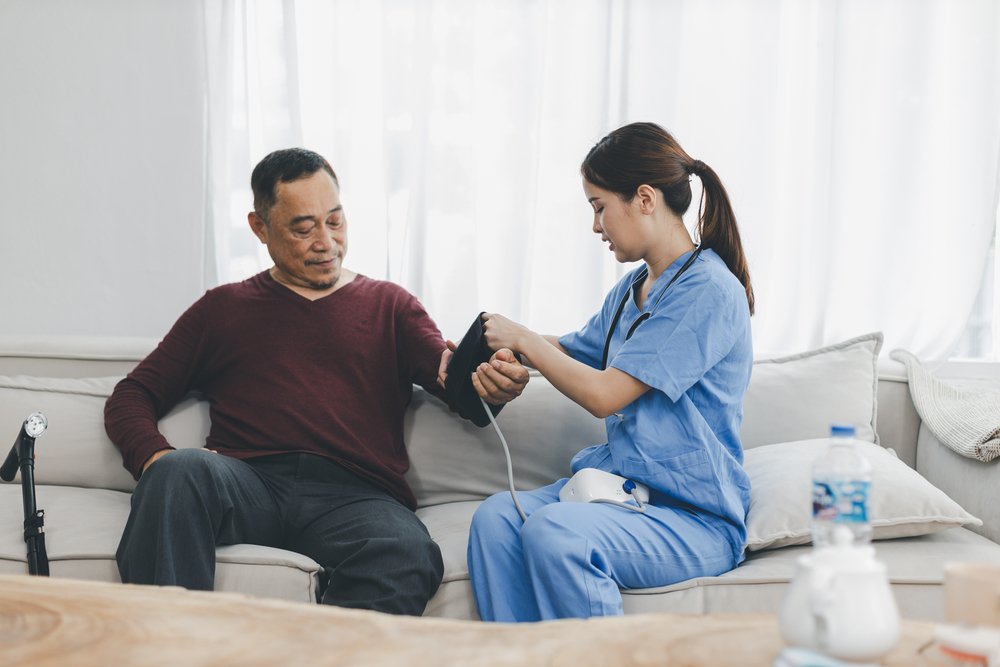
Residents receive attentive, effectively tailored care every day. Professional supervision ensures that skilled staff consistently oversee medications, daily routines, and therapies. Supervision strengthens communication between caregivers and families, ensuring coordinated, reliable care.
Furthermore, ongoing oversight adapts to residents’ changing requirements, promoting safety and emotional stability. Structured supervision efficiently reduces risks, including falls, hospitalizations, and medical complications. Organized supervision reduces adverse events among older adults by 30%.
What Is the Role of Professional Supervision in Senior Care?
Professional supervision ensures residents benefit from reliable, individualized care throughout every day. Additionally, staff monitors routines, therapies, and medications to consistently meet high-quality standards. Families gain reassurance knowing that professional oversight protects residents and effectively addresses evolving needs.
How Does Professional Supervision Reduce Risk and Prevent Accidents?
Professional supervision decreases the likelihood of falls, medication errors, and other daily hazards. Staff consistently assess environments to detect risks before incidents occur. Research indicates that over 30 percent of adults aged 65 or older experience at least one fall each year.
Supervised routines provide guidance for safe mobility throughout the facility. Additionally, safety checks remove hazards, adjust equipment, and maintain well-lit spaces. Implementing strategies for safe, hazard-free environments significantly enhances protection.

Monitoring medications and therapies prevents errors that could harm residents’ health. Moreover, supervision ensures accurate administration, dosage tracking, and timely treatments. Structured professional supervision reinforces safety consistently for individuals living with cognitive challenges.
Supervision enables rapid response when emergencies arise during daily activities. Consequently, immediate intervention reduces risks associated with falls or other medical incidents. Residents enjoy safer environments thanks to constant attention from trained caregivers.
How Does Professional Supervision Support Structured Management for Safer Environments?
Structured supervision fosters routines that improve safety while alleviating residents’ anxiety effectively. Predictable schedules allow anticipation of daily events while enhancing cognitive and emotional stability. Leadership ensures every caregiver applies policies consistently, following approaches from the leadership team to maintain high standards.
The following measures are essential for creating safer, predictable living environments:
- Conduct frequent inspections to identify and remove tripping hazards across all walking areas.
- Maintain sufficient lighting throughout hallways, rooms, and common areas to prevent incidents.
- Implement clear signage to guide residents and support safe, independent navigation daily.
- Adjust furniture layouts to ensure wide, unobstructed pathways for mobility devices.
- Establish emergency response plans with explicit procedures for staff and residents.
Structured management promotes safer daily routines while efficiently reducing unnecessary risks. Understanding operational costs and resource allocation allows facilities to implement effective supervision sustainably.
Supporting Continuous Professional Development
Professional supervision encourages ongoing learning to maintain skilled, capable caregivers. Staff participate in programs improving dementia care, safety, and clinical competencies. Regular development opportunities strengthen knowledge and consistently enhance the quality of resident care.
Caregivers benefit from initiatives such as:
- Attending workshops focused on memory care strategies and behavior management techniques.
- Participating in first aid and emergency training for urgent situations.
- Engaging in mentorship programs led by experienced supervisors for hands-on guidance.
- Completing online courses offering updates on healthcare regulations and best practices.
- Observing peer-led sessions to adopt innovative approaches to resident engagement.
Ongoing professional development ensures staff remain confident and competent in their roles. Additionally, supervision integrates training programs to ensure attentive, high-quality care is consistently delivered.
Balancing Independence and Safety in Supervised Care
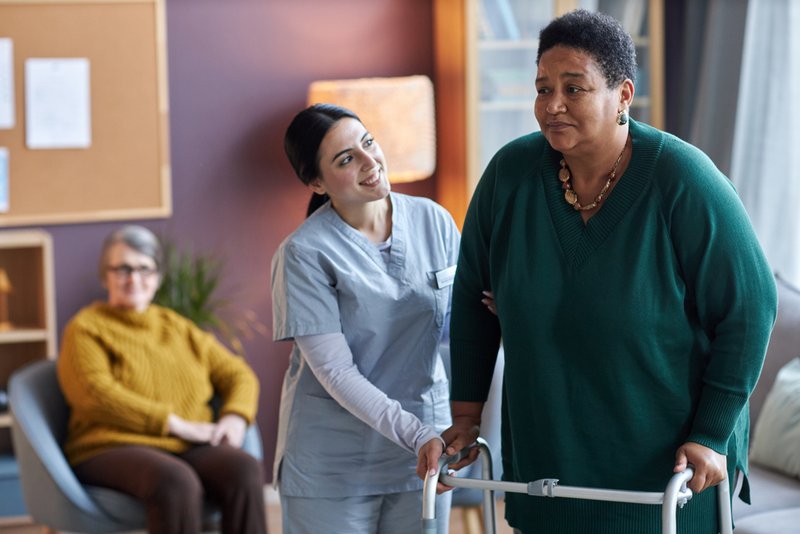
Professional supervision maintains residents’ independence while ensuring safe daily routines. Staff provide guidance tailored to abilities, consistently preserving dignity and autonomy. Oversight enables safe engagement in activities while effectively reducing unnecessary restrictions.
Routine monitoring includes daily mobility assistance, environmental adjustments, and therapy modifications. Caregivers intervene whenever hazards emerge, encouraging confidence and independence simultaneously. Recommendations for balancing safety and independence effectively support residents’ autonomy.
Supervised exercise programs are more effective than unsupervised programs at improving balance and strength in older adults. Structured training enhances physical function and safety during activity. Guided programs support better mobility and reduce fall risk factors.
Supervised environments allow flexibility in routines while maintaining structured safeguards. Staff adapts activities according to residents’ abilities, energy levels, and cognitive status. Professional oversight consistently ensures independence without compromising safety or comfort.
Why Is Professional Supervision Important for Effective Caregiver-Family Communication?
Communication ensures caregivers, residents, and families remain informed about care decisions. Regular updates prevent misunderstandings while maintaining continuity across all daily routines. Professional oversight organizes vital information about treatments, behaviors, and individualized care plans.
Teams hold briefings to exchange observations and coordinate approaches efficiently for residents. Accurate documentation maintains consistency and improves quality across multiple staff shifts daily. Families gain reassurance knowing that staff communicate proactively and consistently maintain transparency.
Caregivers carefully share insights regarding residents’ evolving needs, preferences, and daily conditions. Collaboration reduces errors and ensures that responses align with residents’ personalized routines. Structured professional supervision consistently strengthens trust between families and caregivers over time.
The family caregiving context indicates that approximately 34.2million Americans provide unpaid care annually. This highlights the prevalence of adult caregiving responsibilities and emphasizes the importance of structured professional supervision. Residents benefit when oversight effectively integrates communication, safety, and personalized attention.
Peace of Mind Through Compassionate Professional Supervision
Professional supervision enhances safety, accountability, and quality across all care services. Residents enjoy predictable routines, skilled assistance, and attentive oversight every day. Families gain reassurance knowing that care is consistently guided by knowledgeable, trained professionals.
At Assured Senior Living, professional supervision ensures attentive, dependable care for all residents. Families can reach out to learn how structured oversight supports their loved ones. Each resident benefits from consistent monitoring and skilled, compassionate staff guidance. Reach out to us.