
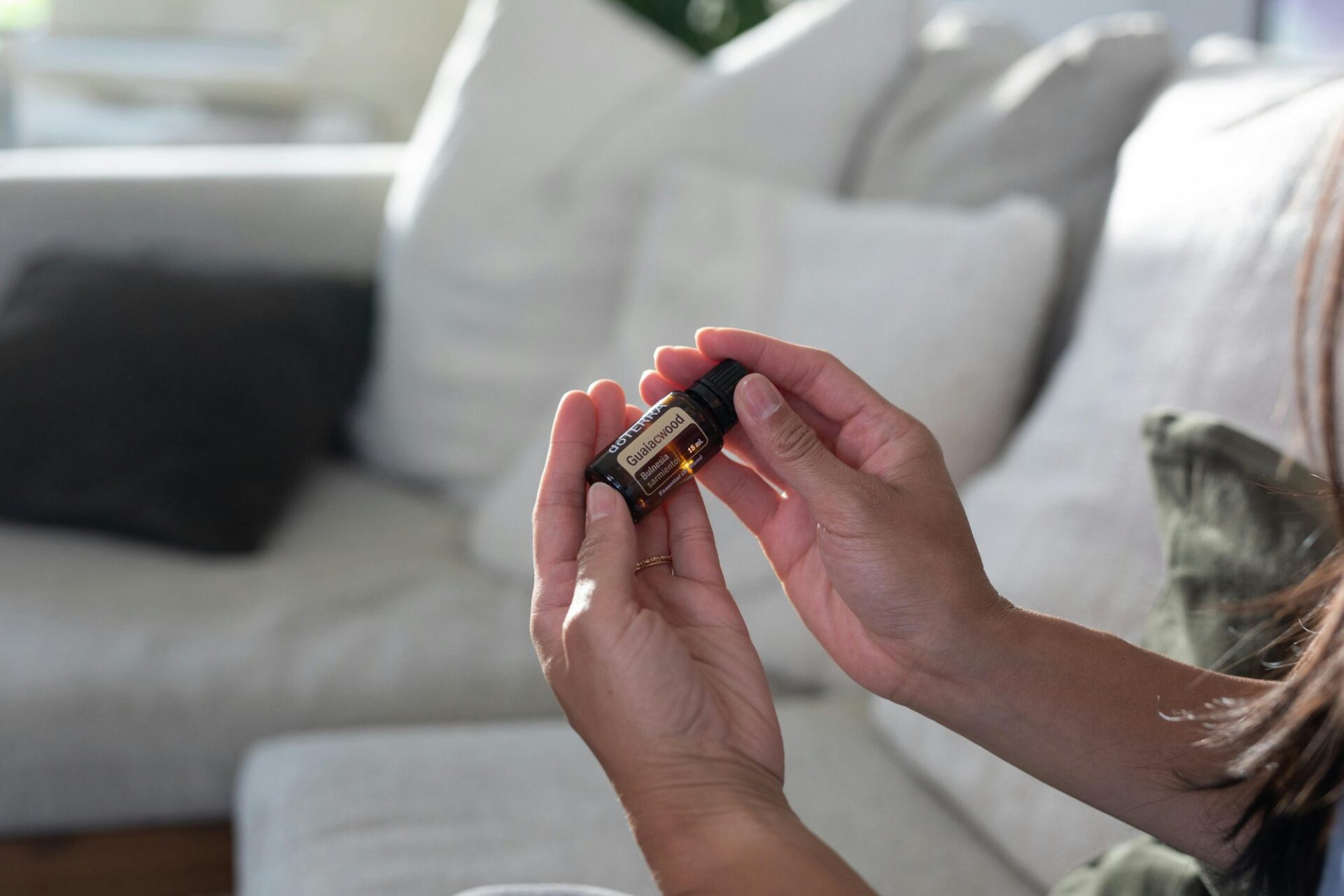
Relaxation enhances emotional health while promoting calm, focus, and comfort among residents. Sensory therapy engages multiple senses and reliably improves memory, attention, and participation throughout daily routines. Therapeutic aromatherapy supports positive mood, reduces tension, and encourages emotional stability efficiently every day.
Families seek interventions that support well-being without overreliance on medications. Multisensory approaches effectively foster engagement, reduce agitation, and enhance emotional health. Sensory therapy encourages meaningful interactions, promotes cognition, and creates enjoyable daily experiences.
How Can Therapeutic Aromatherapy Support Seniors’ Emotional Well-Being?
Therapeutic aromatherapy promotes calm, reduces tension, and enhances emotional stability during activities. Sensory therapy combines tactile, auditory, and olfactory stimulation to increase engagement. Together, these interventions create comforting routines that improve mood and emotional regulation.
How Does Therapeutic Aromatherapy Enhance Sensory Therapy in Senior Living?
Therapeutic aromatherapy consistently elevates relaxation, improves mood, and strengthens residents’ emotional resilience. It engages multiple senses, stimulating cognition, memory, and daily participation. These interventions provide reassuring, meaningful experiences that support comfort throughout each day.
Approximately 1 in 4 adults in the United States serves as family caregivers. Aromatherapy integrated into sensory therapy reduces anxiety, fostering relaxation and confidence effectively. Personalized sessions allow individuals to feel recognized, supported, and emotionally secure.
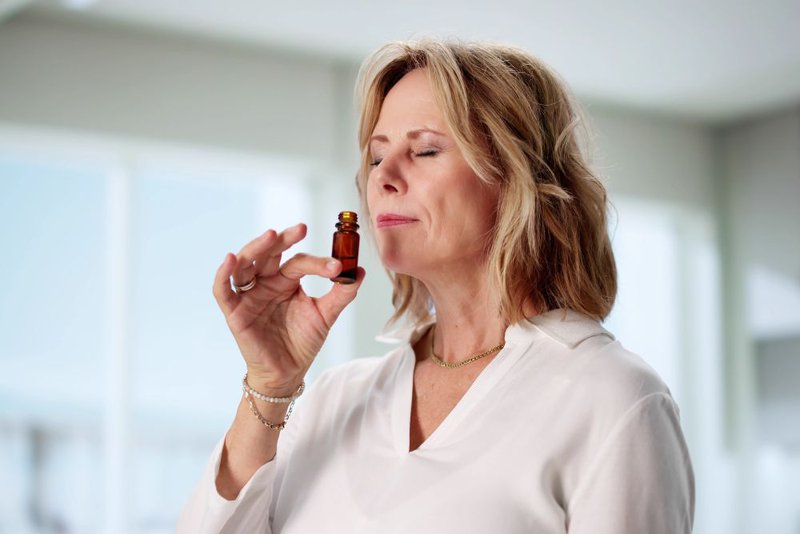
Caregivers observe better engagement and cooperation when aromatherapy complements structured sensory therapy strategies after brain injury. Pleasant scents like lavender or citrus elevate mood and encourage calm. Combining interventions effectively produces positive outcomes across daily activities.
Observation ensures that aromatherapy enhances emotional health while honoring individual preferences. It promotes participation and engagement throughout daily routines. Structured interventions foster a predictable, reassuring environment that effectively supports residents.
What Is Therapeutic Aromatherapy and How Does It Support Sensory Therapy?
Aromatherapy uses essential oils to stimulate the senses, reduce stress, and enhance emotional balance. Sensory therapy uses multisensory approaches to encourage focus, engagement, and meaningful interaction. Combining these methods supports memory, comfort, and overall well-being across daily experiences.
Olfactory stimulation directly engages brain areas that control emotion and memory, helping manage common behavioral challenges. It enhances participation and responsiveness, supporting emotional stability. Personalized aromatherapy helps residents feel secure, recognized, and valued during activities.
Structured sessions reduce agitation while improving mood and attention. Pleasant scent associations evoke positive memories, encouraging reassurance during daily routines. Caregivers adjust scents carefully to maintain effectiveness while preventing overstimulation.
Residents respond positively when aromatherapy is intentionally incorporated, especially when it helps maintain strong social connections. It improves engagement during meals, recreation, and rest periods. Multisensory approaches foster security, confidence, and emotional balance throughout daily schedules.
How Can Aromatherapy Encourage Calm and Reduce Stress?
Soothing aromas reduce cortisol levels while supporting emotional stability and relaxation. Aromatherapy introduces familiar, pleasant scents that effectively aid transitions during routines. Pleasant fragrances foster reassurance, minimize agitation, and enhance overall mood throughout the day.
Staff strategically implement aromatherapy during meals, evening routines, or therapeutic activities. Pairing aromatherapy with approaches that support understanding behavioral changes enhances engagement while strengthening social connections. Residents display decreased tension when caregivers apply scents thoughtfully.
Studies show aromatherapy using essential oils can reduce agitation in severe dementia by about 35%, with many patients showing at least a 30% improvement. The intervention also demonstrated reduced behavioral symptoms compared with placebo. Sensory-based care approaches further improved engagement and overall well-being during daily activities.
Caregivers monitor responses to ensure that aromatherapy remains safe, comfortable, and beneficial. Adjustments maintain optimal emotional support while maximizing therapeutic benefits daily. Sensory therapy, combined with aromatherapy, strengthens routine participation, comfort, and overall engagement.
How Can Individualized Scent Strategies Address Emotional and Behavioral Needs?
Residents respond uniquely to scents, requiring personalized aromatherapy interventions for emotional support. Sensory therapy tailored to individual preferences promotes security, recognition, and mood stability. Personalized strategies effectively reduce agitation and improve participation in daily routines.
The following individualized approaches provide emotional and behavioral benefits:
- Use lavender or chamomile to encourage calm and reduce anxiety.
- Introduce citrus or peppermint to improve alertness and cognitive engagement.
- Apply familiar scents associated with positive memories to promote comfort.
- Rotate essential oils carefully to prevent overstimulation while maintaining effectiveness.
- Pair aromas with music or tactile stimulation to reinforce emotional regulation.
Personalized aromatherapy strengthens emotional stability, engagement, and meaningful interactions. Sensory therapy improves participation while supporting comfort and cognitive responsiveness. Caregivers monitor responses to ensure interventions remain effective, safe, and beneficial.
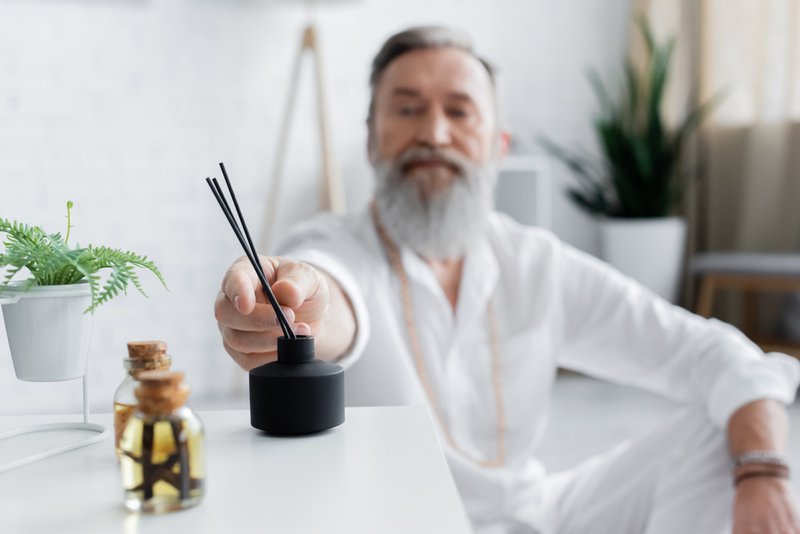
How Can Sensory Therapy Improve Daily Engagement and Routines?
Integrating sensory therapy provides predictable cues, encouraging participation during transitions. Aromatherapy promotes cooperation while supporting therapeutic, social, and recreational activities. Structured multisensory strategies reduce stress, improve attention, and enhance residents’ daily experiences.
Practical strategies include the following:
- Introduce scent cues during waking hours to stimulate alertness and engagement.
- Pair calming fragrances with meals to reduce anxiety and encourage participation.
- Use familiar scents before rest periods to promote relaxation and sleep effectively.
- Combine tactile, auditory, and olfactory elements to enhance comfort.
- Schedule sessions consistently to establish predictability, security, and routine stability.
Sensory therapy encourages active participation while supporting emotional well-being and engagement. Tailored aromatherapy strengthens attention, cooperation, and meaningful daily interactions. Approximately 63 million Americans provide unpaid caregiving, highlighting the importance of structured programs
Lasting Comfort Through Sensory Support in Everyday Life
Therapeutic aromatherapy combined with sensory therapy improves emotional well-being, calm, and comfort. Multisensory interventions reduce anxiety, stimulate memory recall, and encourage engagement every day. Personalized care honoring preferences ensures dignity, security, and emotional balance throughout daily routines.
At Assured Senior Living, we integrate sensory therapy into personalized wellness programs to nurture calm and emotional balance. Families seeking individualized wellness solutions can explore the benefits of these approaches today. Contact us today to learn how these interventions enhance comfort, engagement, and quality of life.