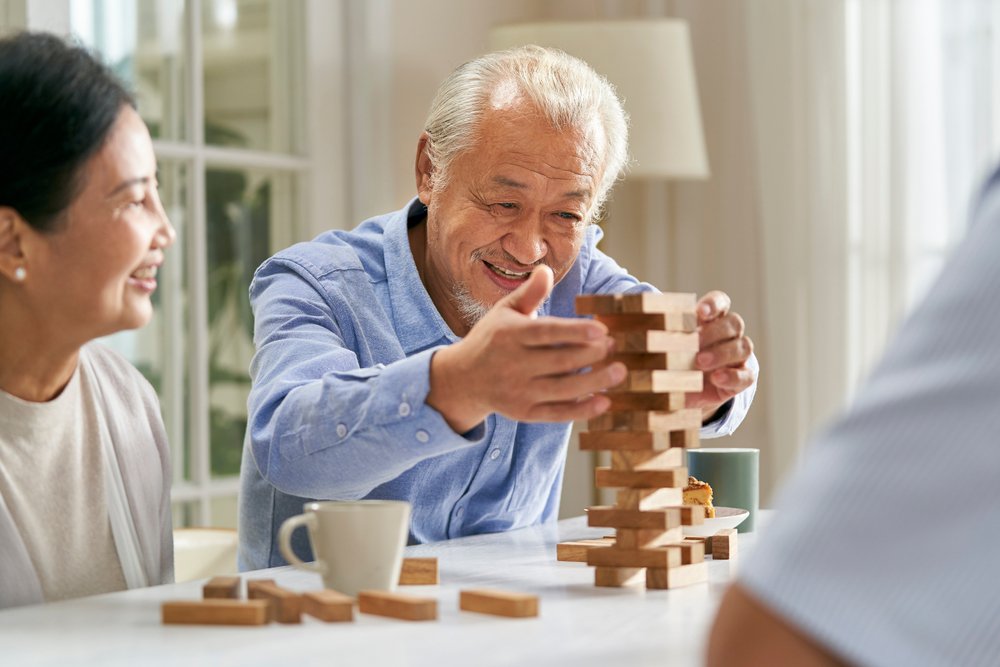
Calm, steady moments can make each day feel more manageable for older adults seeking greater clarity. Mindfulness activities give residents supportive ways to ease stress, strengthen focus, and nurture emotional balance. Furthermore, weaving mindful habits into daily routines creates consistent opportunities to build a sense of calm and presence.
Moreover, mindfulness offers benefits beyond relaxation. It encourages residents to remain engaged in their surroundings while reducing anxiety and mental fatigue. As a result, seniors who practice mindfulness often report feeling more centered and better able to handle daily challenges effectively.
How Do Mindfulness Activities Support Mental Clarity?
Mindfulness activities help seniors focus attention on the present, which supports memory retention and reduces mental distractions. In addition, short, guided sessions encourage calm and awareness of daily tasks, making it easier to process information effectively. Engaging in mindfulness also strengthens emotional regulation and, consequently, enhances overall mental clarity.
Encouraging Calm Through Guided Breathing
Guided breathing provides a simple way for seniors to reduce stress and promote daily emotional balance. It helps residents focus on breathing patterns, which simultaneously positively influences mood and cognitive function. Moreover, practicing controlled breathing regularly enhances oxygen flow and improves overall mental clarity in older adults.
Residents practicing guided breathing consistently often experience immediate reductions in stress and tension throughout the day. Additionally, pairing this technique with gentle stretching or seated meditation deepens relaxation and reinforces emotional calm. Over time, participants build resilience, supporting mental focus and a balanced response to daily challenges.
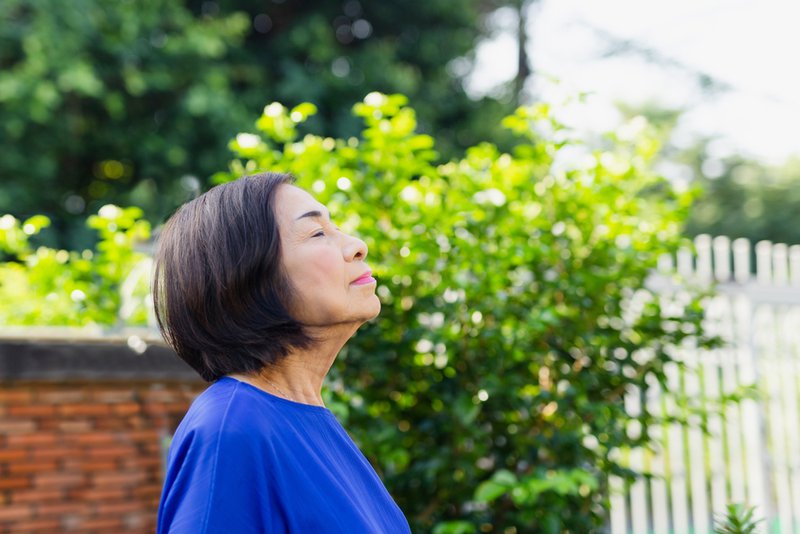
Even short, daily breathing exercises can support emotional stability and strengthen mindfulness skills among older adults. For example, focusing on each breath for two to three minutes encourages calm and reduces anxiety. These brief exercises also contribute to better sleep quality and improved mental clarity.
Meditation and breathing techniques reduce stress and help seniors feel calmer throughout the day. They also ease anxiety while consistently supporting emotional well-being. As a result, residents remain centered and focused during daily routines.
How Can Group Sessions Enhance Mindfulness Activities?
Group mindfulness sessions combine social interaction with shared calming experiences, which encourages engagement and consistent participation. Consequently, practicing mindfulness alongside peers strengthens motivation and emotional connection while promoting attentiveness. Residents also benefit from learning new techniques within a supportive, structured environment that fosters confidence.
Structured guidance from facilitators ensures seniors apply mindfulness techniques correctly and safely. In addition, group sessions offer residents opportunities to explore exercises and deepen their relaxation practices. This combination of social support and instruction maximizes both emotional and cognitive benefits.
Participating in mindfulness with others reinforces cognitive function and emotional regulation over time. Similarly, attention, memory, and interpersonal awareness improve during repeated group practice sessions. As a result, residents often experience enhanced mood and reduced feelings of social isolation.
Regular involvement in group mindfulness activities strengthens focus and supports emotional balance for seniors. These sessions also help reduce stress while promoting calm throughout daily life. In particular, structured group practice enables residents to remain attentive and present during their routines.
Incorporating Mindfulness into Daily Routines
Integrating mindfulness into daily routines ensures seniors consistently benefit from mental clarity and emotional stability. Small, repeated practices, like mindful walking, short meditation, or breathing before meals, fit naturally into everyday life. Over time, consistent practice strengthens attention, self-awareness, and the ability to regulate emotions effectively.
Ways to include mindfulness activities daily:
- Begin mornings with 5–10 minutes of guided breathing to center the mind.
- Practice mindful eating during meals, noticing flavors, textures, and sensations.
- Schedule group meditation or gentle yoga sessions several times a week.
- Offer brief relaxation breaks with calming music or visualization cues.
- Include mindfulness prompts in activity schedules to reinforce habits.
Embedding these practices enhances cognitive function, emotional resilience, and overall mental clarity among seniors. In addition, residents learn to incorporate mindfulness naturally into daily activities. Predictable routines also reduce anxiety and foster a comforting sense of structure and stability.
Daily mindfulness practice consistently supports both cognitive and emotional health. Furthermore, short, repeated exercises gradually accumulate benefits, helping residents remain focused and calm throughout daily life. As a result, participants often gain confidence in managing routines and interactions.
Mindfulness Practices for Emotional Well-Being
Mindfulness activities help older adults regulate emotions and reduce daily stress effectively. Focusing on the present moment encourages residents to let go of negative thoughts and manage frustration more successfully. Consequently, mindfulness strengthens emotional balance while improving overall confidence and mental clarity among seniors.
Holistic approaches to mental health, including meditation and mindfulness practices, enhance mood and overall life satisfaction. Mindfulness also complements other physical strategies, improving strength, mobility, and daily functioning. In addition, it supports cognitive health, consistently promoting comprehensive well-being for seniors.
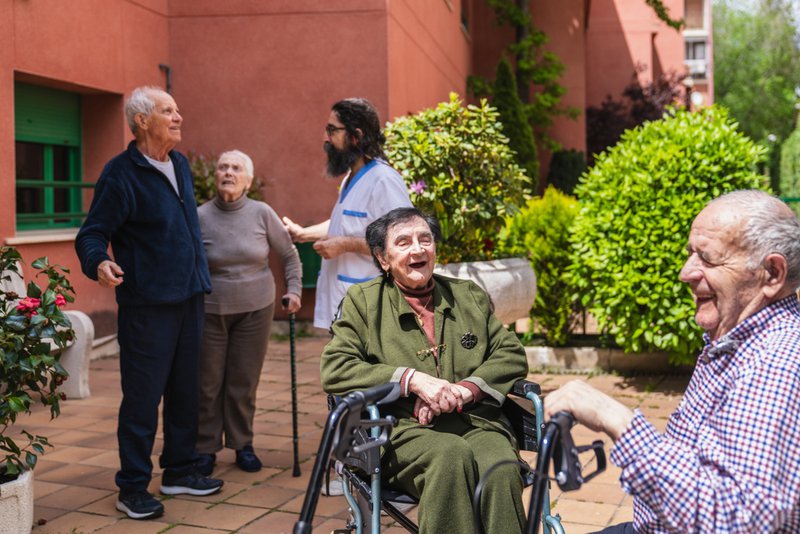
Mindfulness also helps residents experiencing cognitive challenges maintain attention and social engagement throughout daily routines. Specifically, focusing on the present moment improves task performance and emotional responsiveness. These benefits help residents preserve independence and maintain balanced emotional states.
Regular mindfulness practice strengthens resilience and helps seniors develop positive coping strategies for daily challenges. Consistent engagement also fosters sustained emotional stability and reduces stress over time. In addition, these practices enhance mental clarity and improve confidence in managing day-to-day activities.
Combining Physical and Mental Mindfulness Practices
Combining mindfulness with gentle physical activity simultaneously strengthens focus, cognitive function, and emotional well-being. Exercises like stretching, yoga, or balance routines complement meditation by improving circulation, flexibility, and body awareness. Together, these practices support both mental clarity and physical health in older adults.
Combining flexibility and balance exercises with mindfulness practices enhances focus, attention, and mental clarity in older adults. These routines also improve physical coordination and support overall well-being. Furthermore, they can be safely adapted to accommodate varying mobility levels and individual needs.
Even brief daily sessions provide measurable benefits and reinforce mental clarity over time.For example, pairing mindful breathing with stretching reduces stress, improves concentration, and enhances emotional balance. Integrating these exercises consistently encourages long-term gains in both physical and mental health.
Mindfulness combined with physical activity also strengthens present-moment awareness while promoting overall wellness. Moreover, residents who practice intentional movement daily reinforce focus, calm, and emotional resilience. This holistic approach effectively maximizes cognitive function, emotional balance, and physical well-being.
Practical Takeaways for Mindfulness Activities
Mindfulness activities provide seniors with practical tools to reduce stress, improve focus, and maintain emotional balance. In addition, short, daily exercises can easily fit into routines and gradually become lasting habits. Over time, these practices enhance cognitive functioning, emotional stability, and quality of life.
Assured Senior Living creates nurturing spaces where mindfulness encourages focus, inner calm, and meaningful connection. Daily routines also become more manageable when residents feel grounded and supported. Schedule a consultation today to learn how we can help your loved one thrive.