
Movement shapes confidence, balance, and daily joy for older adults, which is why mobility support becomes such a meaningful part of senior care. Furthermore, families often want reassurance that their loved ones can stay active safely, and the proper guidance helps them understand how much thoughtful support can accomplish. Mobility support encourages steady routines that build strength, reduce fears, and create more chances for connection.
Residents feel more secure when caregivers offer calm reminders, gentle cues, and help with walkers or canes. Moreover, the keyword mobility support matters because it helps explain how staff promote safe movement through personalized strategies and environmental design. As a result, loved ones gain peace of mind knowing activities remain accessible, enjoyable, and respectful of each person’s abilities.
How Does Mobility Support Keep Older Adults Confident and Engaged?
Supportive mobility practices help older adults stay active without feeling overwhelmed or unsafe. Consequently, caregivers guide residents through simple steps that build trust and encourage daily movement. Residents are more willing to participate when cues are positive, respectful, and aligned with their comfort level.
How Do Staff Encourage Safe Daily Movement?
Caregivers help residents maintain steadiness by offering calm direction and encouraging proper use of assistive devices daily. Additionally, staff members provide reassurance during hallway walks and transfers, ensuring movements remain safe and controlled. Residents build confidence when they understand each step is supported by trained professionals who monitor their safety.
Staff also adapt strategies based on residents’ energy levels and mobility limitations throughout the day. Gentle pacing during hallway walks, along with attention to posture, reduces strain while promoting balance and coordination. Residents feel less anxious when support feels unobtrusive yet consistently present, allowing them to move with confidence.

Environments designed with safety in mind, including wide hallways, handrails, and non-slip flooring, further enhance mobility and security. Trained staff reinforce these environmental supports by assisting with daily activities like dressing, bathing, and walking safely. Together, thoughtful design and professional guidance create spaces that encourage independent movement with peace of mind.
Caregivers continuously observe residents’ progress to adjust mobility strategies effectively and prevent potential falls. Ongoing monitoring ensures exercises remain appropriate for strength, stamina, and comfort levels. Through repeated guidance and patient support, residents gain both physical stability and emotional assurance in their daily routines.
Why Does Physical Activity Strengthen Independence and Motivation?
Regular physical activity strengthens muscles, improves coordination, and helps residents perform daily tasks more efficiently. Consequently, residents experience pride when they notice improvements, such as greater stability when standing or reaching. Mobility support recognizes these small victories as milestones that reinforce long-term independence and self-confidence.
Consistency in movement reduces stiffness that may otherwise limit participation in enjoyable activities throughout the day. Gentle warm-ups, guided by staff, increase comfort and minimize hesitation before residents attempt exercises or walks. As a result, participants show greater energy, motivation, and a stronger willingness to stay active regularly.
Exercise positively impacts cognitive function and emotional well-being by stimulating brain activity and releasing mood-enhancing endorphins. Daily physical engagement helps maintain memory, attention, and emotional balance, supporting overall mental health over time. Residents who feel mentally and physically active often demonstrate increased resilience and improved daily functioning.
Including residents in activity planning strengthens a sense of independence and personal agency consistently throughout routines. Gentle movement integrated into daily life supports brain health, sharpness, and emotional regulation simultaneously. Consequently, participants feel empowered rather than restricted, enhancing both their physical and cognitive confidence.
How Does Mobility Support Lower Fall Risk for Older Adults?
Balance and strength exercises develop core stability, reducing the likelihood of falls among community residents. Staff carefully observe movement patterns and select exercises that improve posture, coordination, and confidence during daily activities. Repetition, encouragement, and patient support help residents progress safely while building trust in their own abilities.
Fall-prevention strategies are reinforced through safe environments, well-maintained walkways, and appropriate assistive devices to ensure resident safety. Staff also integrate public health guidance on balance and strength training into regular mobility routines. Residents benefit from structured programs that minimize risks while promoting independence, flexibility, and physical resilience.
Light supervision allows staff to gently redirect unsafe behaviors while still encouraging residents to move autonomously whenever possible. Regular reminders about footwear, careful stepping, and proper body mechanics further reduce the chance of injury. Together, environmental design and attentive guidance strengthen overall safety and provide consistent support.
Families can gain reassurance by reviewing personalized care plans and rehabilitation goals that adapt to residents’ changing needs. Staff ensure each plan reflects current mobility levels and health status while promoting safety. These adaptive strategies support both confidence and independence, enabling residents to navigate daily routines safely.
What Do Personalized Mobility Plans Look Like?
Personalized mobility plans are tailored to each resident’s abilities, preferences, and daily energy levels for maximum effectiveness. Caregivers provide individualized guidance while consistently encouraging residents to participate at a comfortable pace. Residents feel valued when plans reflect their unique needs and preferences rather than following a generic routine.
Plans evolve as residents grow stronger, regain mobility, or require additional assistance over time. Staff monitor progress closely and modify exercises or routines as needed to maintain safety and appropriately challenge participants. Flexibility ensures residents remain engaged without feeling pressured, supporting confidence and motivation in daily activities.
Collaboration with families strengthens trust and transparency in planning mobility goals for each resident. Check-ins provide opportunities to discuss progress, adjust routines, and celebrate successes, while also addressing emerging challenges. Residents and families alike feel reassured knowing mobility plans align with evolving needs and goals.
Empowering residents through personalized mobility plans promotes dignity, independence, and participation throughout the day. Mobility becomes a partnership between residents and caregivers, rather than a directive, fostering meaningful engagement. Ultimately, thoughtful planning encourages consistent physical activity while respecting each individual’s pace and preferences.
How Does Mobility Support Encourage Participation in Activities?
Mobility support enables residents to move safely from room to room and participate confidently in various activities. Staff break events into manageable steps, allowing residents to engage at their own pace comfortably. This approach encourages enthusiasm and reduces anxiety about participating in social or physical routines.
Outdoor activities become accessible as balance and strength improve through consistent mobility exercises. Residents enjoy slow walks, garden time, and fresh-air breaks, which enhance both physical and emotional well-being. These opportunities contribute to engagement, motivation, and overall satisfaction with daily life experiences.
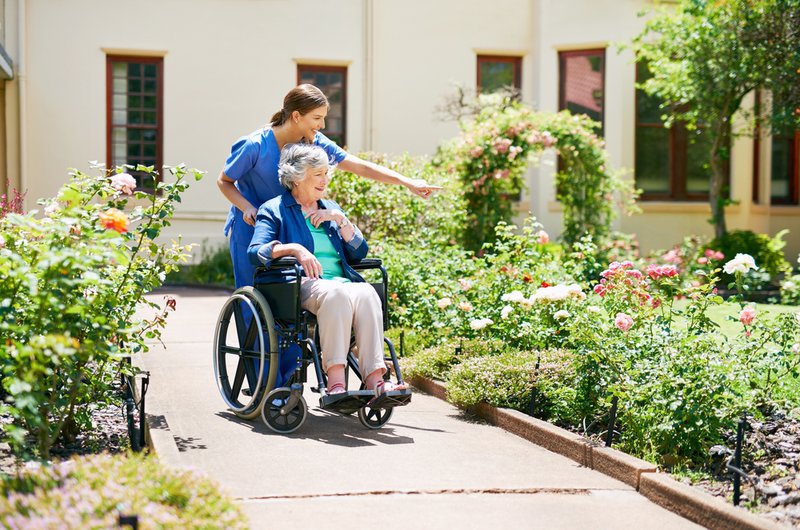
Social participation naturally increases when residents feel stable and supported in movement throughout the community. Staff offer companionship and encouragement during transitions, making engagement more comfortable and enjoyable. Accessible spaces combined with thoughtful guidance allow residents to experience meaningful connection and inclusion daily.
Flexible support ensures that residents remain involved without feeling pressured or fatigued during activities. Staff adjust guidance based on energy levels, weather, and personal preferences while maintaining safety. As a result, residents can consistently enjoy activities that nurture their bodies, minds, and social connections.
Key Mobility Practices That Support Daily Life
Daily routines feel more manageable when caregivers integrate mobility strategies into every aspect of resident life. Encouragement and guidance reduce anxiety and build confidence while residents navigate hallways and living areas. Structured support fosters physical independence and promotes consistent participation in daily activities.
Helpful mobility practices include:
- Guided hallway walks: Staff walk alongside residents to provide pacing support and reassurance throughout longer routes.
- Chair-strength and gentle exercise sessions: Residents perform light seated movements to maintain strength without overexertion.
- Cueing for assistive devices: Gentle prompts ensure walkers or canes are used correctly before starting movement.
- Environmental adjustments: Handrails, non-slip flooring, and well-lit spaces increase safety while encouraging resident mobility.
- Flexible mobility plans: Care routines adapt to residents’ abilities, integrating exercise, rest, and appropriate supportive guidance.
Consistent application of these practices builds safe habits and, over time, encourages strength, confidence, and independence. Residents gradually feel more capable of navigating community spaces, promoting self-esteem and participation in social events. Mobility support helps residents maintain stability, enjoy routines, and remain active every day.
Supporting Safe Movement With Compassion and Care
Confidence grows naturally when older adults know they have steady support behind each step. Moreover, caregivers who understand mobility needs create an environment where movement feels safe, purposeful, and personally meaningful. As a result, residents gain more control over their days and feel encouraged to stay active.
Communities that emphasize small residential homes and individualized attention help reinforce safety, dignity, and personal connection. Therefore, families seeking thoughtful guidance and a community-centered approach can learn how mobility support fosters independence and comfort. Speak with the care team to explore your options and reach out when you’re ready to talk. Assured Senior Living is here to help your loved one stay active with confidence.