
Successful aging is strongly linked to maintaining strong emotional well-being. This vital concept shapes an individual's resilience, life satisfaction, and ability to handle inevitable change. Prioritizing this aspect can distinguish between achieving longevity and genuinely thriving in one's later years.
Recent scientific findings highlight that positive emotional well-being must be viewed as essential, not as merely supplementary. It significantly influences how older adults manage stress, cultivate meaningful relationships, and maintain personal purpose. Supportive care settings are crucial for enhancing emotional health, ensuring seniors remain connected, motivated, and hopeful.
How Can Emotional Well-Being Support Healthy Aging?
Emotional well-being is crucial for seniors, as it influences mood, resilience, and everyday engagement. Maintaining positive emotional health allows older adults to stay socially connected, active, and involved. Focusing on emotional well‑being strengthens overall life satisfaction and the ability to adapt to change.
What Does Emotional Well-Being Mean in Later Life?
Emotional well-being in later life is a dynamic state involving the successful balance of positive and negative feelings. It emphasizes the importance of feeling a strong sense of personal purpose and maintaining meaningful social connections with others. Older adults often report greater emotional stability and experience more positive emotions than their younger counterparts.
Research consistently shows that positive emotionality is directly linked to better health outcomes and longevity. A significant study in The Journal of Gerontology found a clear relationship between greater positive emotions and a longer lifespan. Furthermore, data from Psychological Science suggests that feeling a sense of autonomy and choice actively helps to reduce an individual's stress response.
Supporting personal choice within daily life is essential for maintaining confidence and emotional stability. Routines that support personal, meaningful decision-making are highly beneficial for emotional well-being. This sense of well-being thrives when others genuinely respect individual preferences and unique identity.
Consistent participation in stimulating creative and cognitive activities actively strengthens emotional well-being over time. Engagement in programs like art therapy, music, or reminiscence sessions promotes crucial self-expression and memory stimulation. Regular involvement enhances mood, leading to greater life satisfaction and overall health.
The Importance of Inner Balance and the Role of Meaningful Activities
Maintaining emotional well-being significantly influences both mental and physical health outcomes throughout life. Seniors with better emotional health generally experience lower stress and stronger immune function. Positive emotional states consistently contribute to improved regulation of both sleep and appetite.
Participation in purposeful activities offers profound support for consistent emotional health and stability. Regularly engaging in creative programs and cherished hobbies fosters positive, joyful moods. Seniors who participate often report increased life satisfaction and significantly reduced feelings of isolation and loneliness.
Structured engagement in these meaningful activities supports long-term personal wellness and vitality. Seniors learn new skills, revisit cherished hobbies, and maintain cognitive and emotional resilience effectively. Overall well-being strengthens considerably when activities are both purposeful and socially engaging.
How Does Physical Activity Impact Emotional Well‑Being?
Physical activity is profoundly and positively linked to promoting strong emotional well-being in older adults. Exercise reliably triggers the release of endorphins and other vital brain chemicals that naturally improve mood. Seniors who actively maintain physical routines generally experience lower stress and enjoy better mental health.
Including regular movement in daily life offers five profound ways to boost sustained emotional health:
- Chemical Mood Elevation: Exercise reliably stimulates the production of natural brain chemicals, which consistently function as powerful mood lifters.
- Reduced Stress Response: Consistent, mild physical activity helps buffer the body against high stress and persistent anxiety.
- Enhanced Self-Efficacy: Regular movement, even gentle stretching, builds self-confidence and promotes greater personal independence.
- Improved Sleep Quality: Physically active older adults consistently demonstrate more restorative sleep patterns and experience fewer depressive symptoms.
- Social Connection: Group exercise classes expertly combine physical benefits with vital social interaction and community building.
Embedding purposeful, movement-based therapy into daily routines ensures lasting physical and mental benefits for all residents. This consistent engagement reinforces emotional strength, confirming that emotional well-being thrives when seniors feel actively capable and physically engaged.
How Strong Relationships and Compassionate Caregiving Support Well-Being?
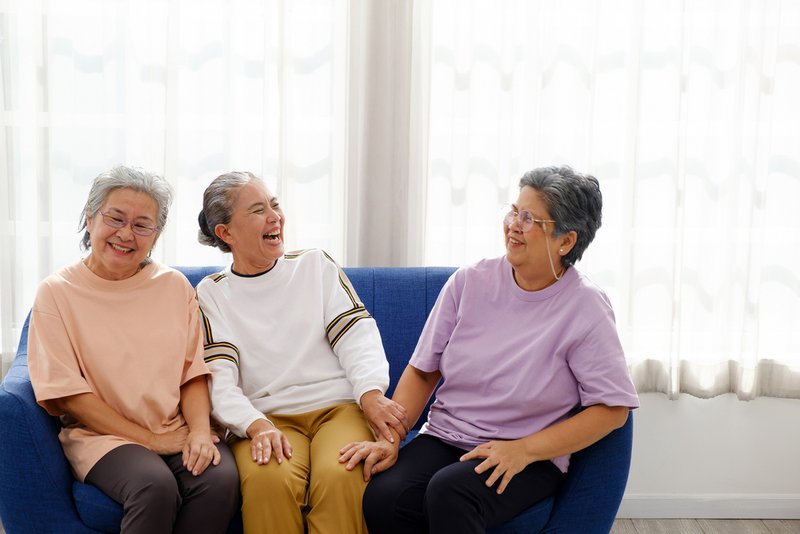
Strong social connections are absolutely vital for sustaining high levels of personal emotional well-being in later life. Close, nurturing relationships provide essential encouragement, companionship, and reliable emotional support for older adults. Seniors who maintain strong social networks consistently report higher life satisfaction and significantly lower stress levels.
Compassionate caregiving further strengthens an individual's sense of emotional stability and personal security every day. Staff trained in empathetic and person-centered practices help seniors express their feelings more comfortably and openly. This consistent, personalized care approach actively builds trust and a strong sense of emotional safety and protection.
Embedding emotional support into daily life through these relationships fosters deep resilience and improved stability. Seniors experience a noticeable reduction in stress, improved overall mood, and greater daily satisfaction. Well-being thrives most successfully when essential relationships and care are reliable, consistent, and genuinely nurturing.
Mindfulness Practices That Contribute to Emotional Well‑Being
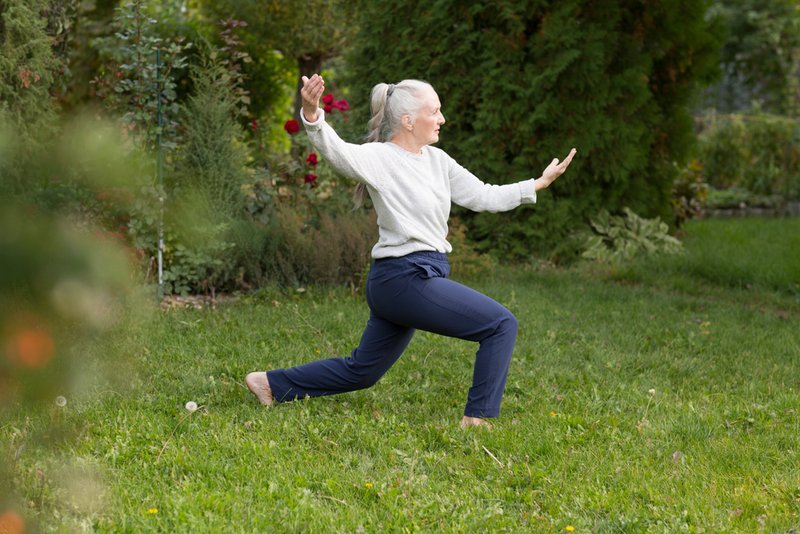
Mindfulness practices are essential tools for supporting long-term emotional well-being in later life. These exercises help seniors remain actively present and reliably grounded in daily moments. Consistent practice reduces stress while improving personal emotional regulation skills.
Incorporating targeted mindfulness exercises into a daily schedule offers profound benefits for sustained emotional health:
- Focused Breathing Techniques: Deep, slow breathing actively engages the body's natural relaxation response mechanism. This consistent practice helps to calm both acute anxiety and general feelings of agitation quickly.
- Guided Sensory Awareness: Directing attention to sights, sounds, or tastes anchors the individual firmly in the present moment. This awareness is particularly effective for soothing residents facing memory challenges.
- Reflective Journaling: Spending quiet time writing down thoughts fosters crucial self-awareness and emotional processing capabilities. This personal reflection enhances the ability to manage complex feelings, boosting emotional resilience.
- Shared Group Meditation: Practicing relaxation techniques in a group setting fosters empathy and strengthens vital social cohesion among peers. This communal activity creates supportive emotional networks.
Integrating these practices ensures that seniors experience reduced anxiety and consistently improved overall mood. Regular practice strengthens personal coping abilities, confirming that emotional well-being thrives when mindfulness becomes a consistent part of daily life.
Cultivating Emotional Well‑Being for the Long Term
Prioritizing emotional well-being enhances overall quality of life—seniors whose emotional needs are met experience greater purpose, satisfaction, and connection. Emotional well-being also supports resilience, helping individuals cope with illness, loss, and change.
At Assured Senior Living, emotional well‑being is a priority. Their home-like communities center on individualized engagement, compassionate interactions, and creative therapies to nurture emotional health. If you are looking for a supportive, emotionally enriching environment for a loved one, contact Assured Senior Living to learn how they honor and uplift their residents' emotional lives.