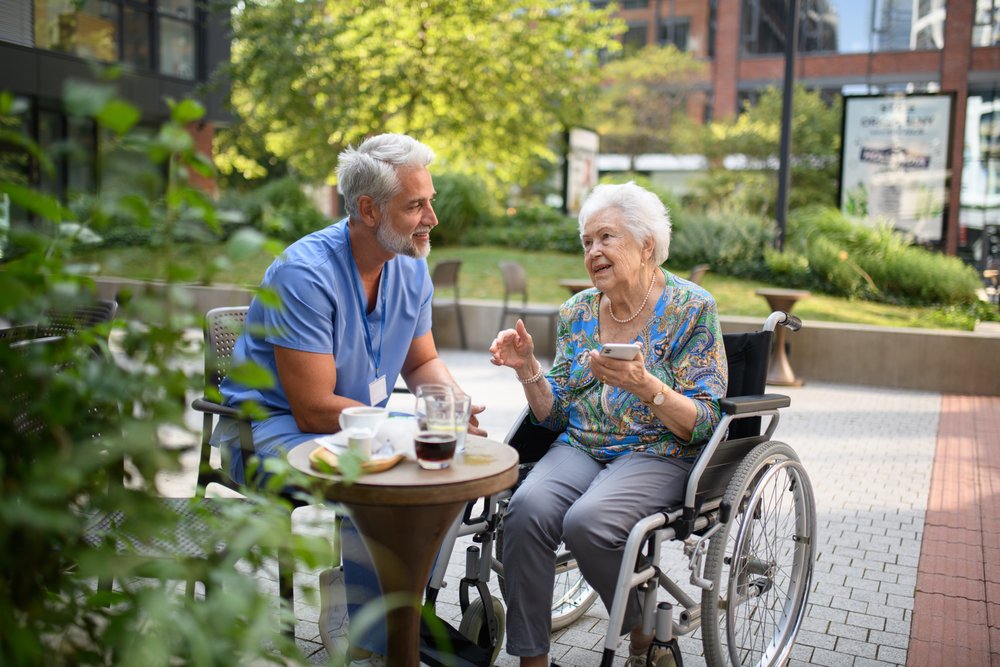
Families often notice how surroundings influence a loved one’s comfort, mood, and sense of security. Thoughtful, calming décor transforms living spaces into supportive environments that encourage relaxation and emotional stability. Soft colors, gentle lighting, and familiar textures create areas where older adults feel safer and less overwhelmed.
Environmental design plays a vital role in memory care and supportive living communities. Stressful or chaotic surroundings may increase agitation, especially for seniors with cognitive changes or brain injuries. Carefully planned interiors help maintain dignity, independence, and a reassuring sense of home.
How Does Calming Décor Help Reduce Anxiety in Senior Living Spaces?
Thoughtful environmental design directly influences residents’ comfort, mood, and daily sense of security. Calming décor reduces stress through soft colors, gentle lighting, and familiar textures that foster relaxation. Implementing these design elements helps seniors feel safer, more confident, and emotionally stable in their living spaces.
Why Is Calming Décor Important for Emotional Well-Being?
Supportive environments directly influence seniors' mood, emotional health, and daily functioning. Calm surroundings prevent sensory overload, which otherwise could contribute to restlessness or anxiety. Calming décor incorporates intentional choices that foster tranquility and emotional stability.
Color and lighting can influence mood and behavior in care environments. Appropriate lighting conditions have been linked to changes in agitation levels in people with dementia. Evidence suggests lighting design may support emotional stability in senior care settings.

Natural daylight enhances comfort while supporting healthy sleep patterns for senior residents. A study found that more than 40% experience reduced stress and agitation in thoughtfully designed spaces. Soft fabrics and uncluttered layouts prevent overstimulation and promote relaxation throughout daily activities.
In addition, supportive spaces can reduce caregiver stress. PBS notes that over 53 million Americans provide care for older adults, emphasizing the importance of environments that promote emotional stability for both residents and caregivers. Integrating calming décor supports overall well-being for everyone involved.
What Design Elements Create Calming Décor for Seniors?
Designing supportive spaces begins with careful choices that reduce stress while enhancing comfort and safety. Color palettes, lighting, textures, and layout shape residents' experience of their environment. Well-selected elements create surroundings that feel stable, welcoming, and easy to navigate.
Several design elements consistently appear in environments known for reducing anxiety:
- Soft, neutral color palettes such as muted greens, blues, and warm beige tones
- Natural lighting through windows, skylights, or light-filtering curtains
- Comfortable textures, including upholstered seating, blankets, and warm wood surfaces
- Nature-inspired artwork featuring landscapes, gardens, or calming scenery
- Minimal clutter with simple layouts that allow safe, easy movement
Collaborating with residents on design choices improves engagement and ownership of their personal space. Families observe that involving seniors strengthens emotional comfort and promotes confidence and independence daily. Using evidence-based strategies to calm agitation and aggression guides color, textures, and lighting choices for optimal emotional support.
How Layouts and Environmental Cues Promote Safety and Independence
Open layouts and furniture placement improve mobility, safety, and independence for senior residents. Clear pathways allow seniors to move confidently while balancing functional safety and aesthetic appeal. Visual cues like color-coded hallways, signage, and artwork help residents navigate spaces safely.
Several environmental cues support safety and independence:
- Color-coded hallways that distinguish wings or living areas
- Large, easy-to-read signage identifying rooms and activity spaces
- Memory boxes displaying personal photos and meaningful items
- Distinctive artwork serving as visual landmarks along hallways
- Lighting variations highlighting entrances, corridors, and shared spaces
Combining safe layouts with clear environmental cues reduces anxiety. Residents gain confidence navigating spaces and performing daily routines. Guidance from safety tips for seniors with brain injuries complements design decisions for both safety and emotional comfort. Calming décor integrates these elements seamlessly.
How Personal Touches Strengthen a Sense of Home
Residents feel more comfortable when their surroundings reflect their personal identity. Photographs, artwork, and keepsakes reinforce connections to meaningful experiences. Personalized elements also contribute to calming décor, increasing emotional engagement, and well-being.
Family memorabilia and familiar items spark conversation and memories. Personal belongings may assist in memory recall for those experiencing cognitive decline. These items help residents feel valued and secure within their living space.
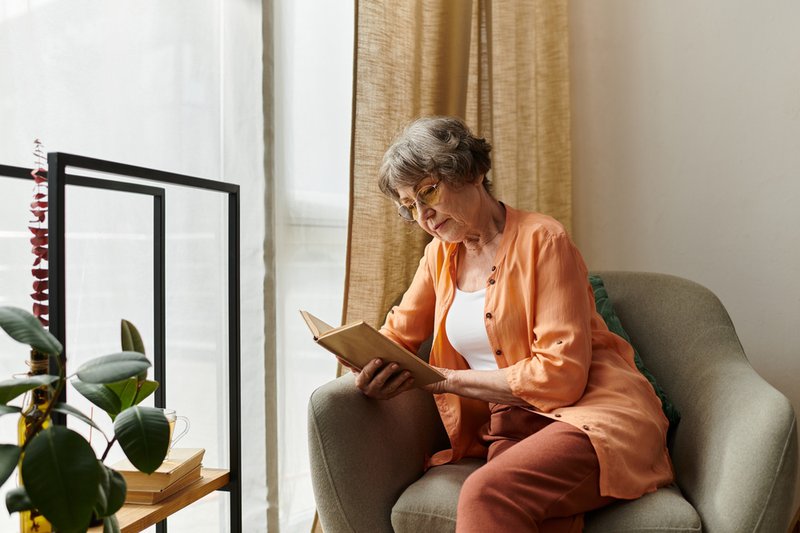
Involving seniors in decorating their rooms improves engagement and a sense of ownership. Collaborative design allows residents to choose meaningful décor, colors, and arrangements that reflect personal preferences. This approach fosters a sense of control and belonging, supported by thoughtful memory care design.
Personalized environments ease transitions into supportive living communities. Familiarity reduces stress and enhances comfort. Overall, personal touches strengthen the emotional impact of calming décor, making spaces feel genuinely like home.
How Do Therapeutic Programs Enhance the Benefits of Calming Décor?
Environmental design complements daily activities, helping seniors feel secure and confident. Similarly, music therapy, reminiscence exercises, and gentle movement consistently improve emotional stability. Calm surroundings encourage participation while reducing agitation, stress, and sensory overload.
In addition, therapeutic programs provide structure, promoting socialization, mental stimulation, and physical activity. At the same time, engaging residents in routine exercises strengthens self-esteem and encourages positivity. Structured programs with supportive environments effectively reduce mood disturbances.
Combining design strategies with therapeutic activities creates harmony between surroundings and overall well-being. Structured programming consistently enhances emotional balance, involvement, and happiness for seniors. Calming décor is most effective when paired with daily interactive routines.
Finally, daily activities foster independence, purpose, and engagement within safe, supportive living spaces. Residents respond positively when surroundings and programs are thoughtfully integrated with care. Effective design and structured activities consistently maintain comfort, safety, and cognitive health.
Creating Environments That Support Comfort, Stability, and Emotional Wellness
Peaceful surroundings shape seniors’ daily experiences, reduce anxiety, and encourage independence. Thoughtful environmental design integrates colors, textures, furniture, and lighting to create calming décor. Combined with therapeutic programs and personal touches, these spaces support overall emotional and cognitive well-being.
At Assured Senior Living, we create supportive environments that help residents maintain dignity and confidence. Compassionate design and attentive care encourage emotional well-being while fostering independence every day. Contact us today to learn how our communities provide safe, welcoming spaces for your loved ones.