The journey through cognitive decline presents unique, demanding challenges for individuals and their families. Without specialized support, confusion and stress can significantly impact a senior's overall quality of life. This is precisely why memory care environments are a vital resource for cognitive health preservation today.
These dedicated communities offer much more than basic assistance with daily living needs. They incorporate structured therapeutic activities to slow the progression of memory loss symptoms actively. Consistent, thoughtful environments expertly manage anxiety and truly foster a sense of security and belonging.
How Does Memory Care Support Cognitive Health?
Memory care supports cognitive health by combining structured routines with practical therapeutic activities. These specialized programs expertly reduce resident confusion and provide essential mental and social stimulation daily. Ultimately, this creates a stable environment that slows decline and significantly improves overall quality of life.
What Is Memory Care and Why Is It So Important?
Specialized memory care refers to residential services designed for those living with complex memory-related conditions. Caregivers are professionally trained to respond with great patience, empathy, and specialized clinical expertise. Daily life includes routines and engagement that enhance both cognitive function and resident safety.
These dedicated programs offer crucial support beyond that provided in standard assisted living communities. Interventions like music, art, and reminiscence therapy enhance memory and overall cognitive function. Academic studies confirm these tailored activities successfully foster engagement and mitigate challenging behavioral symptoms.
Thoughtfully structured environments are necessary to reduce a resident's confusion and anxiety. The Alzheimer's Association affirms that structured activities greatly help reduce agitation and improve the person's mood. Effective plans consider the person's likes, functional abilities, and also the times when they function best.
Ultimately, the central goal of memory care is to enable residents to live with dignity, purpose, and maximum independence. Professionals use person-centered strategies to treat the whole person, balancing emotional and physical well-being needs. Families gain invaluable peace of mind knowing their loved ones receive high-quality, compassionate, specialized care.
How Does Specialized Care Help Preserve Cognitive Skills?
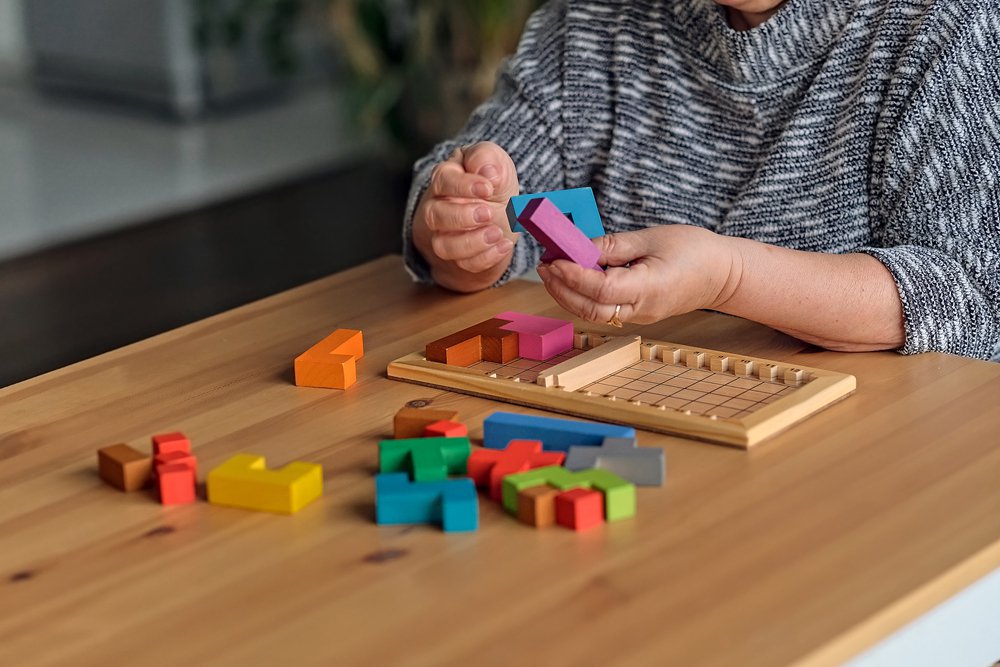
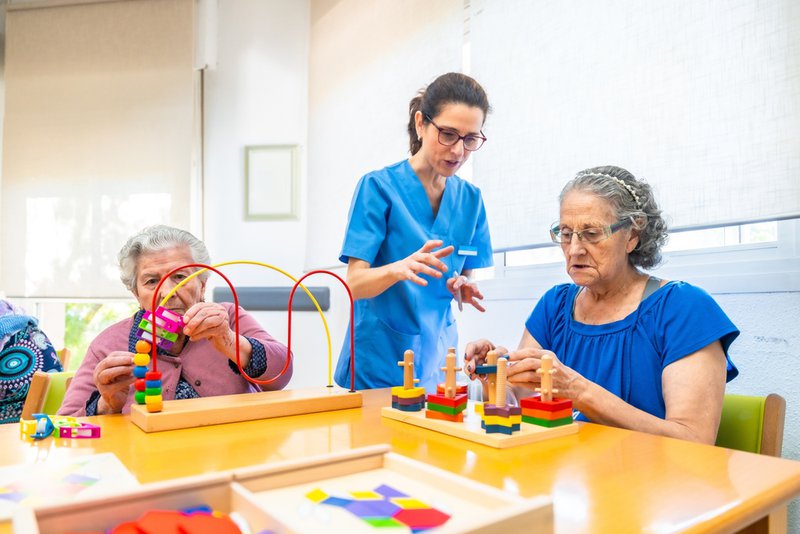
Memory care programs integrate cognitive stimulation, which is crucial for maintaining a senior's mental function. Structured activities, including puzzles, conversation, and group exercises, are designed to effectively challenge residual cognitive abilities. This focused engagement helps improve mood and daily functioning, thereby increasing the resident's overall quality of life.
This cognitive benefit is firmly supported by clinical research and systematic reviews. A meta-analysis of 44 randomized controlled trials confirmed that cognitive stimulation produces a medium-sized benefit in global cognition immediately after the intervention. This therapeutic approach leverages the brain's existing capacity, strengthening neural pathways and preserving skills for longer.
Routine intellectual stimulation enhances attention, memory, and critical problem-solving skills in a safe environment. Activities like card games, storytelling, and music therapy are deliberately chosen to encourage active, joyful participation and meaningful social interaction. These structured programs help slow progressive cognitive decline while significantly boosting residents' self-confidence.
Why Do Routines Matter for Seniors with Memory Loss?
Thoughtfully structured environments are essential resources for those navigating complex cognitive challenges. These specialized communities focused entirely on memory care foster stability through consistent daily schedules. This predictability is vital for cognitive health, promoting emotional well-being and significantly reducing resident stress.
Structured daily routines act as powerful anchors, offering specific, non-repetitive benefits for seniors living with memory loss:
- Reduces Catastrophic Reactions: Consistent schedules prevent surprise or confusion, which often reduces episodes of acute anxiety and distress.
- Reinforces Procedural Memory: Repeating tasks at the same time each day strengthens subconscious memory, prolonging the ability to perform those activities.
- Enhances Caregiver Effectiveness: Routines allow staff to anticipate resident needs, ensuring timely intervention before confusion or distress sets in.
- Provides Environmental Cues: Familiar mealtimes and activity blocks offer clear orientation points, countering feelings of disorientation and loss.
- Fosters a Sense of Security: Knowing what to expect creates a stable daily rhythm where residents feel fundamentally safe and secure.
The stability created by these predictable daily rhythms is critical for maintaining independence and personal dignity. When supported by expert staff, this structured approach to memory care significantly improves long-term outcomes for residents. This specialized environment ensures peace of mind for their families.
How Do Care Settings Ensure Safety and Support?
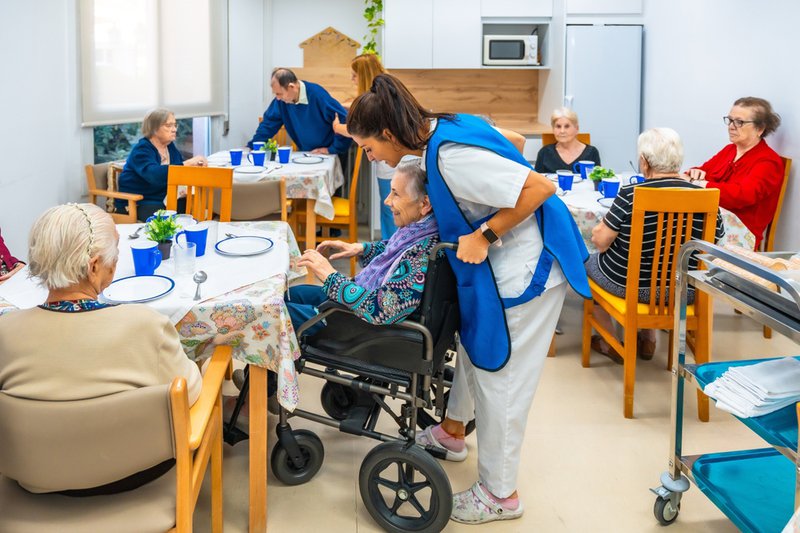
Specialized memory care communities often use a shared living model designed to actively minimize risks such as wandering, falls, and potential injury. Secure layouts, clear signage, and accessible spaces expertly reduce resident confusion while promoting safe, independent movement throughout the environment. Therefore, robust and consistent safety measures are fully integrated into all physical aspects of the specialized setting.
Caregivers receive specialized training to monitor residents closely while actively promoting their highest level of independence. Gentle redirection techniques and constant supervision are used consistently to prevent incidents and proactively manage challenging behaviors. This combination of expert staff protocols and environmental design ensures residents receive personalized support, safety, and emotional well-being.
What Role Does Mental Stimulation Play in Cognitive Programs?
The human brain benefits immensely from constant engagement, especially during aging. Quality memory care programs prioritize cognitive health through specialized and personalized mental stimulation. This focused attention strengthens neural pathways, which significantly helps slow down the progression of memory decline.
Mental stimulation is the cornerstone of cognitive programs, offering unique benefits for senior brain health:
- Activates Latent Memories: Therapeutic techniques, like music or reminiscence, effectively engage both emotional and long-term memory.
- Enhances Problem-Solving: Games, puzzles, and brain exercises provide targeted challenges that maintain crucial executive functions.
- Strengthens Social Bonds: Group discussions and interactive activities foster communication and prevent feelings of social isolation.
- Improves Daily Function: Regular mental workouts help residents preserve the functional abilities needed for their independent living.
- Elevates Emotional Well-being: Combining playful, interactive learning with structure promotes a positive mood and reduces anxiety.
Incorporating these tailored mental workouts into a daily schedule creates a comprehensive and proactive approach to senior health. Such strong emphasis on continued cognitive engagement is one of the most significant benefits of dedicated memory care.
Nurturing Minds with Compassion: Enhancing Life Through Memory Care
Memories may fade, but dignity, connection, and comfort remain essential. Structured programs safeguard cognitive health by combining routines, stimulation, and compassionate support. Predictable days filled with meaningful activities help residents thrive emotionally, socially, and cognitively.
Families facing dementia diagnoses often seek environments that provide safety and engagement. Structured schedules, individualized attention, and dementia-trained caregivers create stability and peace of mind. For families seeking personalized memory care, get in touch with Assured Senior Living to explore their home-like, supportive programs that enhance quality of life.