
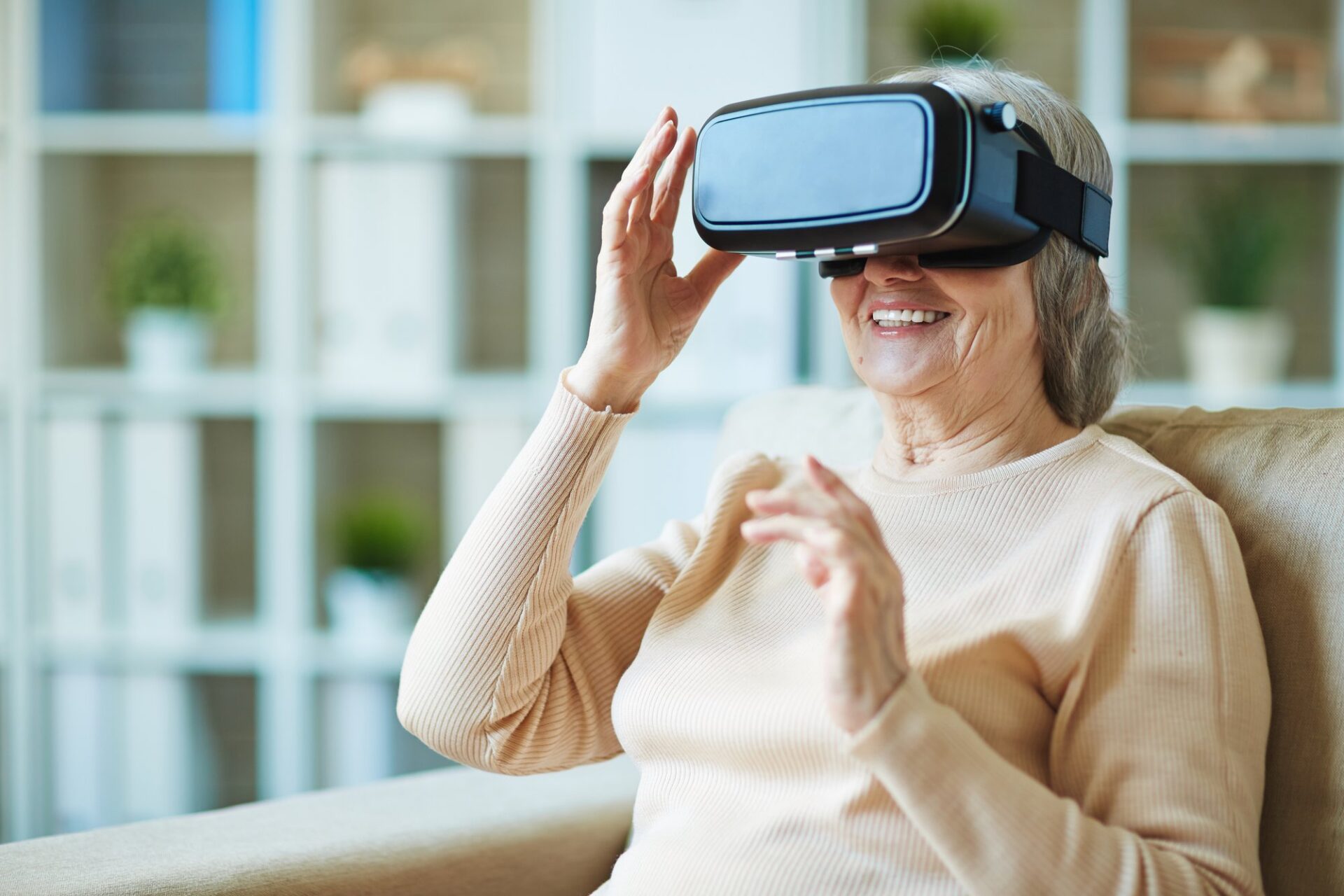
Families often seek ways to enrich the senior living experience for loved ones, especially when mobility, memory challenges, or health concerns limit activities. Virtual reality (VR) now offers an innovative approach that blends safety, curiosity, and meaningful engagement. By introducing immersive technology into supportive living environments, seniors can explore new worlds and revisit meaningful memories without leaving the comfort of their own homes.
Communities that adopt VR technology experience their daily lives transformed from routine to remarkable. Seniors gain emotional connection and cognitive stimulation, while families find comfort in seeing their loved ones light up with excitement and a sense of purpose. This approach transforms ordinary days into opportunities for joy, exploration, and lasting memories.
Virtual Travel: Bringing the World to Seniors
Seniors often long to visit places tied to their life stories, vacations, or family heritage. Virtual travel enables residents to explore these destinations safely, whether strolling through European streets or admiring national landmarks. The experience evokes powerful emotions and creates opportunities for conversation with caregivers and family members.

Programs offering virtual travel have been shown to improve emotional well-being. In a study involving 32 older adults and 102 VR sessions, the majority of participants were attentive and engaged, and most reported positive emotional responses to the immersive experiences. These benefits often extended beyond the headset, sparking conversations and increasing social interaction with staff and peers.
Virtual travel can also be tailored for small groups, which encourages shared storytelling. Seniors reminiscing about their past trips or dream destinations often inspire others to participate, enhancing the senior living experience for the entire community. Group discussions after each session can spark meaningful bonds.
Activity coordinators may schedule recurring "travel days" to add excitement to weekly routines. These events transform common spaces into lively cultural encounters, often accompanied by music or food related to the chosen destination.
Finally, virtual travel sessions often inspire family visits. Loved ones can join or watch sessions, sharing in laughter and nostalgia. This emotional bridge strengthens family ties, creating more memorable visits.
Cognitive Engagement and Interactive Simulations for an Enriched Senior Living Experience
Virtual reality does more than entertain—it actively supports cognitive health. Immersive simulations encourage memory recall, problem-solving, and focus. Short sessions with interactive elements,such as puzzles, guided walking tours, or memory games,can help reinforce mental agility.
A meta-analysis on VR for seniors demonstrated that consistent VR activities improved attention, memory, and global cognition among participants with mild cognitive impairment. This makes VR an exciting complement to existing memory care programs.
Interactive simulations can include gardening in a virtual courtyard, practicing balance with gentle movements, or solving visual memory challenges. Caregivers can monitor reactions and engagement, adjusting activity intensity based on residents' comfort levels.
Repetition builds confidence and routine. Seniors who begin hesitantly often develop curiosity over time, requesting new activities or sharing their progress with peers. The senior living experience becomes more dynamic and personalized as engagement grows.
Additionally, combining interactive VR with soft background music or calming scents can enhance the emotional impact. This multi-sensory approach fosters focus and reduces anxiety, particularly for residents adjusting to new environments.
Sparking Reminiscence in Memory Care
Reminiscence therapy is a cornerstone of memory care, and VR now elevates this approach. Personalized immersive environments—such as childhood neighborhoods, old workplaces, or favorite vacation spots—can help residents reconnect with meaningful life moments.
A recent study found that VR-based reminiscence therapy significantly improved mood and verbal fluency in patients with dementia. These sessions enable participants to share their stories and experiences more easily, fostering a more profound sense of self and identity.
Caregivers often notice that VR prompts conversations that traditional photo albums or music alone cannot. Residents may recall details such as scents, weather, or emotions associated with specific memories, which helps reinforce cognitive connections and enrich the overall senior living experience.
Structured reminiscence sessions can also be part of group activities. Sharing personal stories with peers often fosters community bonding and helps combat feelings of isolation. Incorporating VR into reminiscence therapy reassures families that their loved ones are actively engaged in the process. It demonstrates that memory care programs can blend innovation with compassion.
Safe Exploration and Curiosity Without Risk
Seniors deserve safe ways to experience the thrill of exploration without physical danger. VR allows participants to "climb mountains," walk city streets, or enjoy ocean views while seated comfortably.
Safety remains a top priority. Headsets and chairs are adapted for stability, and sessions are typically short to prevent discomfort. Almost 75% of caregivers in a study observed a noticeable boost in resident mood after VR sessions.
Encouraging curiosity builds confidence in trying new activities. Residents who enjoy these safe adventures often feel more engaged in other community programs. Exploration does not need to be solitary. Small-group or family-assisted VR sessions foster connection and laughter. The sense of shared adventure adds emotional richness to the senior living experience.
Finally, safe exploration helps alleviate the monotony that can sometimes accompany limited mobility. Residents enjoy a sense of freedom that supports their emotional and mental health.

Adding Variety and Excitement to Daily Life for a Richer Senior Living Experience
Introducing VR into daily routines helps fight boredom and keeps activities fresh. Residents can participate in virtual museum tours, live concerts, or seasonal celebrations. Activity teams can design weekly schedules with VR "highlights" to boost anticipation. Pairing sessions with themed snacks, decorations, or music can enhance their impact.
Integrating VR into wellness programs supports overall emotional and cognitive health for seniors. Combining mental stimulation with uplifting experiences is a hallmark of successful engagement. The senior living experience benefits most when residents feel empowered to make choices. Offering multiple VR options encourages exploration based on personal interest and comfort.
Over time, VR programming can evolve in tandem with residents' needs. Seasonal updates, new content, and occasional family-inclusive events maintain excitement and encourage repeat participation.
Transforming Daily Life with Meaningful Technology
Virtual reality enhances the senior living experience by offering travel, cognitive stimulation, safe exploration, and memory-rich engagement. Families gain peace of mind, and residents gain joy, variety, and emotional connection.
Select communities at Assured Senior Living integrate VR and other innovative tools as part of a warm, home-like approach to memory care and supportive living. To learn how these experiences can enrich your loved one's daily life, visit their website or reach out to schedule a compassionate, guided introduction.