Safety measures are essential for protecting residents and staff while preventing serious accidents. Safety protocols support secure daily living and reduce the likelihood of avoidable injuries. Families feel reassured because procedures consistently prioritize loved ones’ well‑being.
Effective practices require coordination among caregivers, administrators, and families for consistent implementation. Routine measures reduce hazards while helping residents maintain dignity and independence during care. Ultimately, a foundation of safety fosters trust and enhances overall quality of life.
How Do Safety Protocols Protect Residents Every Day?
Safety protocols safeguard residents by preventing accidents and ensuring rapid responses during emergencies. They create predictable routines that reduce risk while promoting confidence and independence. Families gain reassurance knowing that structured procedures consistently prioritize their loved ones’ well-being.
Why Are Safety Protocols Crucial in Senior Care Facilities?
Safety protocols reduce risks, prevent injuries, and maintain secure living environments daily. Furthermore, structured safety protocols ensure caregivers respond effectively during emergencies with confidence and skill. Families gain peace of mind knowing loved ones remain supported and protected.
These measures make daily routines predictable, reducing uncertainty for residents and staff. In addition, clear safety protocols guide responses to hazards before serious incidents occur. Prioritizing safety reinforces a healthy, supportive environment across all care areas.
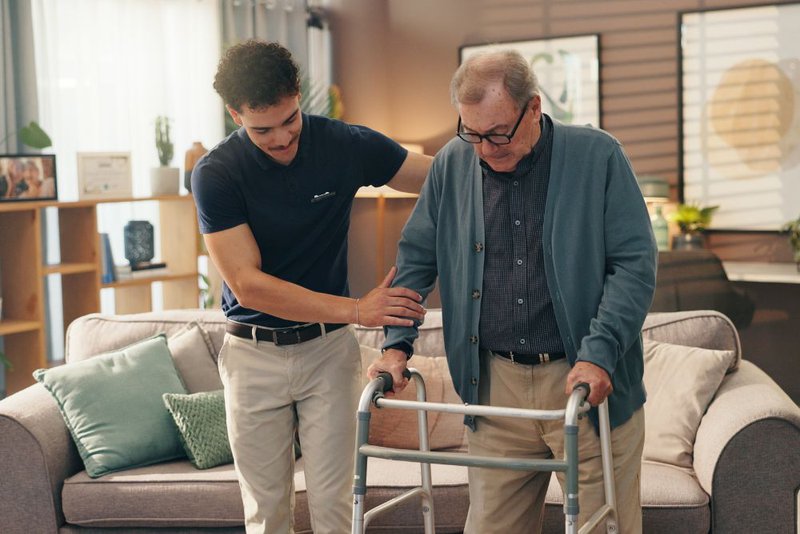
Routine implementation identifies problems early, allowing corrective actions that prevent injuries. Families benefit when communication between care teams and relatives encourages consistent oversight through support for advocating effectively for a loved one. Therefore, when safety protocols are consistently applied, trust grows between caregivers and families.
Clear standards foster a culture of vigilance among multidisciplinary teams. Everyone understands expectations, which improve collaboration and resident outcomes. Consistent procedures effectively reduce preventable harm and promote residents’ dignity.
How Are Emergencies and Falls Prevented in Senior Living?
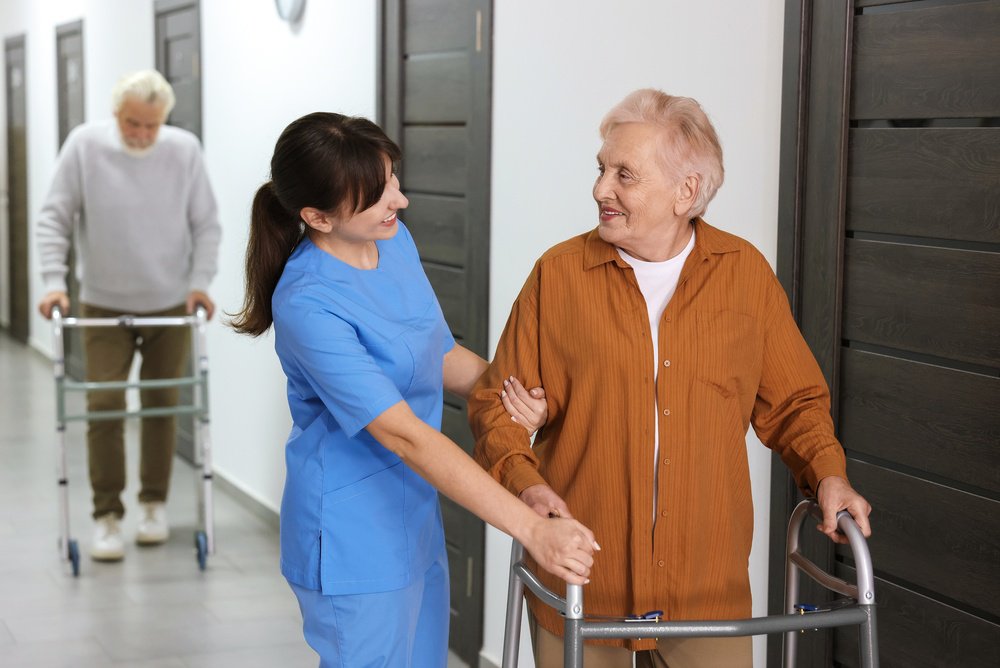
Emergency procedures combined with fall prevention are essential elements of daily safety protocols. Staff training ensures caregivers respond quickly and correctly during critical incidents. Environmental modifications such as handrails, proper lighting, and non‑slip flooring significantly reduce fall risk by creating a safe, hazard-free environment for seniors.
Several practical strategies help reduce falls and maintain a hazard-free environment for residents:
- Install handrails and grab bars along hallways, bathrooms, and frequently used areas.
- Ensure adequate lighting in all spaces, including staircases, corridors, and entrances.
- Use non-slip mats, flooring, and footwear to minimize the risk of slipping.
- Supervise mobility exercises and encourage structured occupational therapy programs for balance.
- Maintain clear pathways by removing clutter, cords, and loose objects from floors.
Implementing these measures strengthens the overall effectiveness of safety protocols in senior living. Research shows that more than one in four older adults falls annually, often resulting in injuries or hospital visits. Therefore, consistent application of safety protocols reduces hazards and significantly supports residents’ overall well-being.
How Do Infection Control Measures Protect Residents?
Infection control procedures govern hygiene, sanitation, and vaccination practices daily. Strict adherence prevents the spread of illness and limits outbreaks in residential settings. Older adults face a higher risk of infection due to immune changes, chronic conditions, and frequent caregiver contact.
Monitoring residents for early signs of illness enables rapid response and limits transmission. In addition, isolation protocols and meticulous cleaning routines protect residents while maintaining dignity. Routine audits guarantee staff consistently follow established infection‑control standards.
Clear hygiene policies enhance family confidence and reduce stress about research on infection prevention in older adults. Caregivers maintain documentation to ensure compliance with evolving best practices and public health guidance. Infection control protocols remain vital to reducing illness among residents.
Procedures evolve in response to evidence-based recommendations to support long-term resident health. Furthermore, staff education emphasizes the rationale behind measures to encourage adherence and awareness. Residents experience safer living spaces where daily health risks are minimized.
How Safety Protocols Are Reinforced Through Staff Training
Staff training strengthens vigilance, risk recognition, and response capabilities during emergencies. Additionally, educational programs emphasize documentation, reporting, and proactive prevention techniques. Practical exercises help caregivers build confidence in decision-making in real-world situations by improving communication and social engagement.
Key staff training components reinforce safety protocols and ensure consistent, high-quality care:
- Conduct scenario-based drills to simulate emergencies and improve real-time decision-making.
- Teach proper equipment usage and safe techniques for assisting residents daily.
- Emphasize accurate documentation and reporting of hazards, incidents, or near misses.
- Provide ongoing education about updated procedures, infection control, and emergency responses.
- Assess competency regularly through observation, feedback, and skill validation exercises.
Well-implemented training programs enhance staff adherence to safety protocols across the community. Confident caregivers consistently apply procedures, reducing risks while improving residents’ security and well-being.

How Safety Protocols Are Strengthened Through Communication
Communication reinforces procedures between residents, families, and caregiving teams every day. Open dialogue allows concerns to be addressed and clarifications provided quickly. Clear signage and reminders help residents follow routines through strategies to maintain stability for memory care residents.
Informing families about safety measures encourages collaborative monitoring of residents’ well-being. In addition, transparency reduces anxiety and strengthens confidence in care delivery practices. Resident participation enhances personal responsibility while improving overall vigilance.
Caregivers convey updates without causing stress or confusion, fostering a supportive environment. Moreover, sharing safety goals with families builds trust and reinforces a collaborative culture. Regular communication enhances adherence and promotes active engagement in protective measures.
Communication also helps staff identify potential hazards before incidents occur, improving prevention. Consequently, everyone becomes invested in creating secure and supportive environments. Families notice measurable benefits when communication is consistent and transparent.
Enhancing Care Through Safety and Trust
Safety protocols protect residents while fostering confidence and independence in secure environments. Structured procedures, ongoing training, and clear communication prevent accidents effectively every day. Families feel reassured knowing that these practices consistently honor residents’ health and dignity.
At Assured Senior Living, comprehensive safety protocols safeguard residents while promoting supportive community living. Their teams apply evidence-based measures, regular training, and continuous improvement to protect those they serve. Learn how these measures provide peace of mind, and reach out to us today.