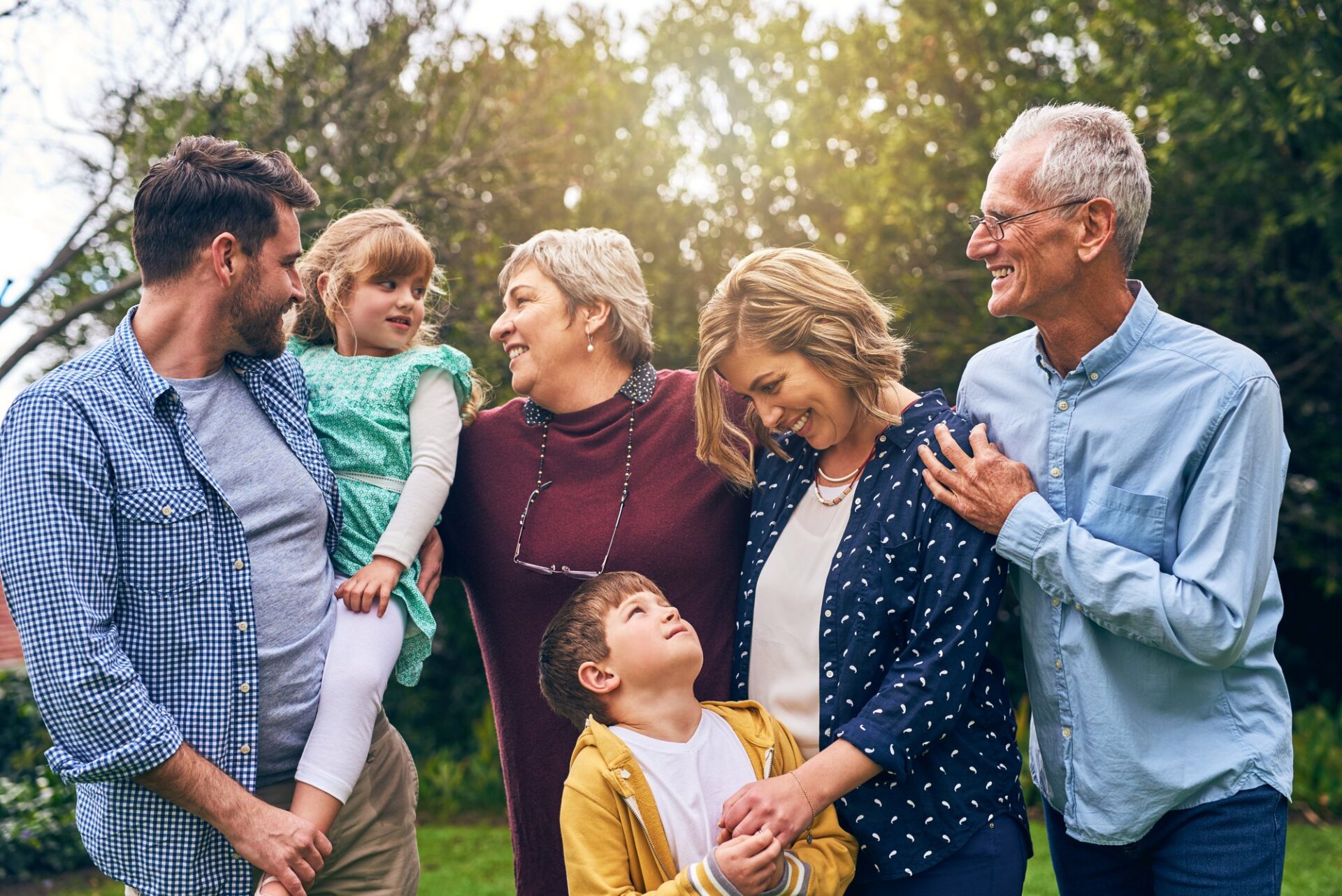
Intergenerational relationships offer meaningful ways for seniors and youth to connect and grow together. These intergenerational relationships strengthen community connections by building shared experiences that benefit both generations. Families exploring senior living options often prioritize environments that prioritize emotional health, engagement, and purpose.
These connections foster empathy, reduce isolation, and provide opportunities for learning across ages. For seniors, such engagement creates a renewed sense of value and belonging, while youth gain mentorship and life skills that cannot be found in textbooks.
Fostering Empathy and Understanding Through Intergenerational Relationships
Strong intergenerational relationships nurture empathy by allowing seniors and youth to interact in structured, meaningful ways. Shared activities, such as storytelling or art projects, encourage listening and mutual respect. Youth gain compassion and understanding, while older adults feel heard and valued.

Regular interactions deepen this empathy into a genuine connection. Programs that bring multiple generations together consistently foster familiarity and comfort. Mutual understanding becomes second nature as participants begin to anticipate one another’s stories and needs.
These intergenerational relationships also reduce age-related stereotypes. Youth gain new perspectives about aging, while seniors experience renewed respect from younger generations. Communities, therefore, become more cohesive as bridges replace generational gaps.
Structured programs, such as combined reading sessions or seasonal community events, are particularly effective in promoting literacy. Consistency helps transform brief encounters into relationships that foster emotional security and understanding for all involved.
Emotional and Cognitive Benefits for Seniors
Participating in intergenerational relationships offers seniors emotional enrichment and cognitive benefits. Research indicates that older adults involved in structured intergenerational programs experience significant gains in mood and perceived self-worth. Such engagement also reduces feelings of social isolation and supports mental well-being by creating purposeful daily interactions with youth.
Regular engagement with younger people supports brain health. Sharing stories, solving puzzles, or participating in simple educational activities stimulates memory and problem-solving skills. This stimulation can help slow cognitive decline, particularly in seniors with mild memory concerns.
Social engagement also significantly impacts quality of life. Studies demonstrate that seniors who stay socially active are less likely to experience depression and cognitive decline. Creating opportunities for frequent and meaningful exchanges is critical to long-term well-being.
Community programs demonstrate that structured interaction can truly transform lives. Programs designed for memory care settings highlight how social engagement leads to more alert, positive, and engaged residents. These results reflect the immense value of building purposeful intergenerational routines.
Youth Gain Wisdom, Life Skills, and Patience Through Intergenerational Relationships
Young participants benefit greatly from consistent interaction with older generations. Seniors provide mentorship, share life lessons, and encourage youth to practice patience and understanding. Learning outside the classroom often has a lasting impact, as life stories carry meaning beyond formal education.
Patience and listening skills naturally develop in these interactions. Youth learn to adapt to different communication styles and slower paces, which improves emotional intelligence. Over time, this strengthens their confidence in handling social and personal challenges.
Mentorship from seniors also provides practical insights. Experiences about resilience, work, and family life offer valuable guidance for youth navigating their paths. This wisdom fosters thoughtful decision-making and respect for history.
These positive effects extend beyond the individual. Schools and youth organizations that partner with senior living programs often report an increase in social awareness among students. Intergenerational relationships enrich entire communities by producing kinder, more empathetic young adults.
Stronger Community Bonds Through Events and Programs
Community events designed for intergenerational participation create powerful bonds. Seasonal celebrations, art workshops, and gardening activities enable seniors and youth to collaborate, fostering inclusion and a shared purpose. These gatherings also benefit families, creating multi-generational touchpoints.
Partnerships with schools, libraries, or local organizations help make these programs consistent and adequate. Regular contact ensures that the relationships remain meaningful rather than fleeting. Communities that invest in these activities often see greater social cohesion and improved community morale.
Internal environments that prioritize amenities and comfort further enhance these experiences. Seniors, in turn, thrive when their surroundings encourage them to welcome and interact with younger guests.
Program evaluations confirm that shared events help combat isolation among seniors while offering youth meaningful engagement opportunities. Over time, participants often describe these experiences as family-like, which fosters a sense of belonging and continuity.
Combating Loneliness, Isolation, and Sense of Loss
Loneliness is a significant risk for seniors, especially those in assisted living or memory care communities. Studies reveal that around 24% of older adults are socially isolated, which increases health risks. Social programs can dramatically reduce these feelings of separation.

Intergenerational relationships are among the most effective ways to counteract isolation. Seniors who participate in regular programs report improved mood, less anxiety, and a restored sense of purpose. Their daily lives become more vibrant when meaningful interactions are part of their routine.
Emotional benefits emerge when seniors feel their experiences matter. Offering advice to a younger generation or sharing cherished memories reinforces their value. Feeling needed reignites confidence and reduces the emotional strain that aging can bring.
Youth also contribute to this emotional restoration. Their curiosity and energy add vibrancy to the days of seniors, creating reciprocal benefits that extend to the broader community. Everyone gains a renewed sense of belonging through these bonds.
Bridging Generations to Enrich Every Life
Intergenerational programs transform daily living for both seniors and youth. They foster empathy, support mental and emotional well-being, and create bonds that strengthen communities. Families looking for environments that combine comfort, safety, and meaningful engagement will find reassurance in such programs.
Senior living communities that host intergenerational events foster lasting social connections and enhance the well-being of residents. Assured Assisted Living offers community-centered programs that promote these meaningful interactions, enabling residents to thrive emotionally and socially. For families seeking a nurturing place where loved ones can enjoy dignity, comfort, and genuine connection, these programs provide a trusted pathway to peace of mind.