
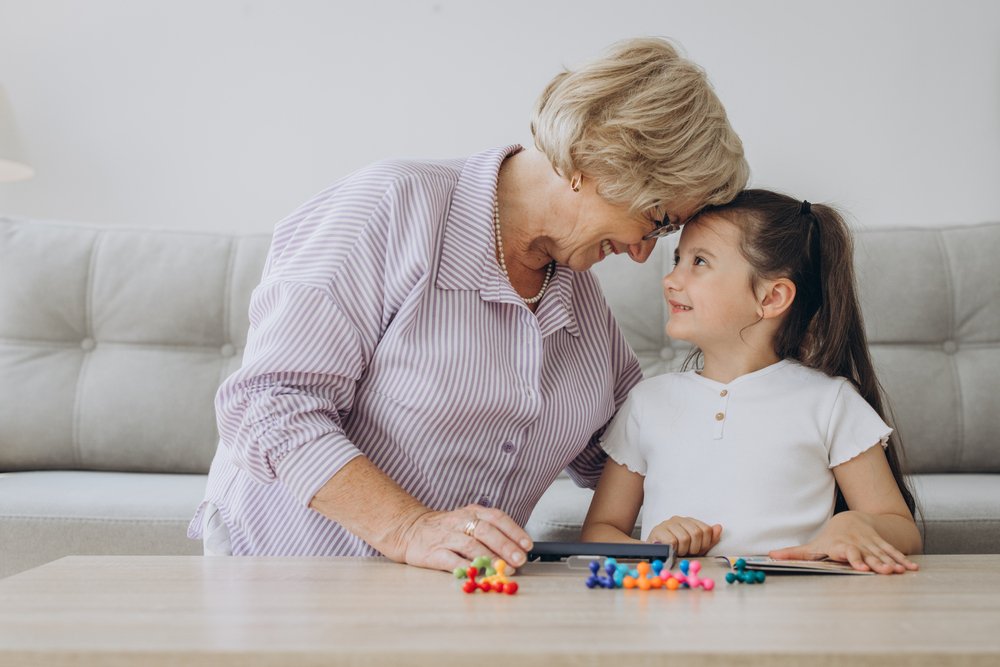
Visiting a loved one with dementia can bring up many questions, especially for children. Whether it's the first visit or a recurring one, helping kids understand what dementia is and how it affects behavior can make the experience less overwhelming and more meaningful.
Children are naturally curious and often more perceptive than adults expect. However, without the proper context, the changes they see in a grandparent may cause confusion or worry. Giving them the correct information, tailored to their age and emotional maturity, helps them stay connected and confident during visits.
Talking About Dementia: Tailoring the Conversation by Age
Every child processes information differently, but age can guide the amount of detail to share. The goal is not to shield children, but to provide honest and reassuring information that fosters understanding.
For preschoolers (ages 3–5):
Keep explanations simple. You might say, "Grandma's brain is sick, and that makes her forget things." Use gentle examples, such as forgetting names or repeating questions, to help them recognize what to expect.
For school-age children (ages 6–12):
At this stage, kids can handle more detailed information. Explain that dementia is a medical condition that affects memory, thinking, and behavior. Be ready to answer their questions honestly and acknowledge any emotions they express without judgment.
For teens:
Teenagers benefit from transparency. Share resources or invite them to attend family care meetings if appropriate. Encouraging them to express their feelings openly fosters trust and helps them process changes healthily.
According to the Centers for Disease Control and Prevention, more than 6 in 10 residents in residential care communities have been diagnosed with Alzheimer's disease or other dementias. This high prevalence highlights how common dementia is in long-term care settings and emphasizes the importance of preparing families, especially children, for what to expect.

Setting Expectations: What Children Might See or Hear
Children who visit grandparents with dementia may witness behaviors they don't fully understand. Setting expectations before the visit can reduce fear and confusion.
Common behaviors include:
- Forgetting names or past events
- Repeating the same questions or phrases
- Showing frustration, mood swings, or confusion
- Struggling with coordination or speech
Explain to children that these behaviors are symptoms of the disease, not personal rejections. For example, if Grandma doesn't remember their name, it doesn't mean she doesn't love them. Providing context helps children build compassion rather than feeling hurt or rejected.
It's also important to discuss safety. Children should know they can step out of the room, speak to a trusted adult, or take a break if they feel uncomfortable. By reinforcing their sense of agency, you're supporting both emotional safety and family connection.
Creating Positive Visit Experiences Through Play and Familiarity
Comfort is key when visiting a grandparent with dementia, especially for younger children. Bringing a sense of normalcy through familiar items and shared activities can ease nervousness and foster joyful interactions.
Bring something meaningful:
Kids can draw a picture, share a recent school project, or bring a favorite book to read together. Tangible items provide a sense of grounding and help spark recognition or engagement in their loved ones.
Use play and music:
Simple games, such as matching cards or singing familiar songs, can connect generations in ways that don't rely on memory. Music, in particular, has been shown to reduce agitation and promote engagement in individuals with dementia.
Keep visits short and flexible:
A 30-minute visit may be more beneficial than staying too long. Ending on a positive note helps the child associate the experience with warmth rather than stress.
Dementia-friendly environments designed with family interaction in mind support these moments.
Answering Difficult Dementia Questions With Honesty and Reassurance
Children often ask direct questions, such as, "Why does Grandpa keep forgetting me?" or "Will Grandma get better?" Although it may feel easier to soften the truth, honest, age-appropriate explanations build trust and emotional strength. Saying something like, "Dementia makes it harder for Grandpa's brain to work the way it used to," can offer clarity without overwhelming them. Avoid using complex medical terms or giving false reassurance, especially with older children and teens who may sense more than they express.
According to a National Institutes of Health study, children's understanding of illness develops over time and benefits significantly from emotional context. Open, ongoing conversations help normalize their responses and improve coping. When families offer consistent updates and create safe spaces for discussion, children feel included in the experience rather than isolated from it.
If a child expresses sadness or frustration, acknowledge their feelings instead of minimizing them. Sometimes saying, "I don't know, but I feel that too," is more comforting than having all the answers. Regular family check-ins or casual conversations enable children and teens to share their feelings, helping them process change with support and connection.

Supporting Ongoing Connection Across Generations
Dementia may change the way families interact, but it doesn't eliminate the need for connection. Maintaining relationships can bring joy and meaning to both the child and the grandparent.
Consider incorporating family rituals that evolve with the grandparent's condition. A weekly visit with a shared snack, a short story time, or a simple walk through a garden can become powerful traditions. Explain to children that their presence still matters, even when words or names fade. Reassure them that simply sitting together or holding hands can bring them comfort and solace. Family bonds are rooted in more than memory.
Communities that offer dementia-informed care recognize the value of multigenerational connection. They often encourage age-appropriate visits as part of their care philosophy, with flexible spaces and staff support to ensure positive experiences for everyone.
A Place That Supports Family, Connection, and Dignity
Bringing children to visit a grandparent with dementia is an opportunity to teach empathy, build resilience, and preserve meaningful bonds. It's not always easy, but with preparation and support, it can be a gratifying experience.
The right senior living community understands that family visits are vital. That's why Assured Senior Living provides dementia-informed environments that welcome children and foster age-appropriate interaction. Their commitment to multigenerational connection ensures families stay close, even as needs change.
Compassion grows through connection. Let Assured Senior Living help you preserve the relationships that matter most. Talk to us today.