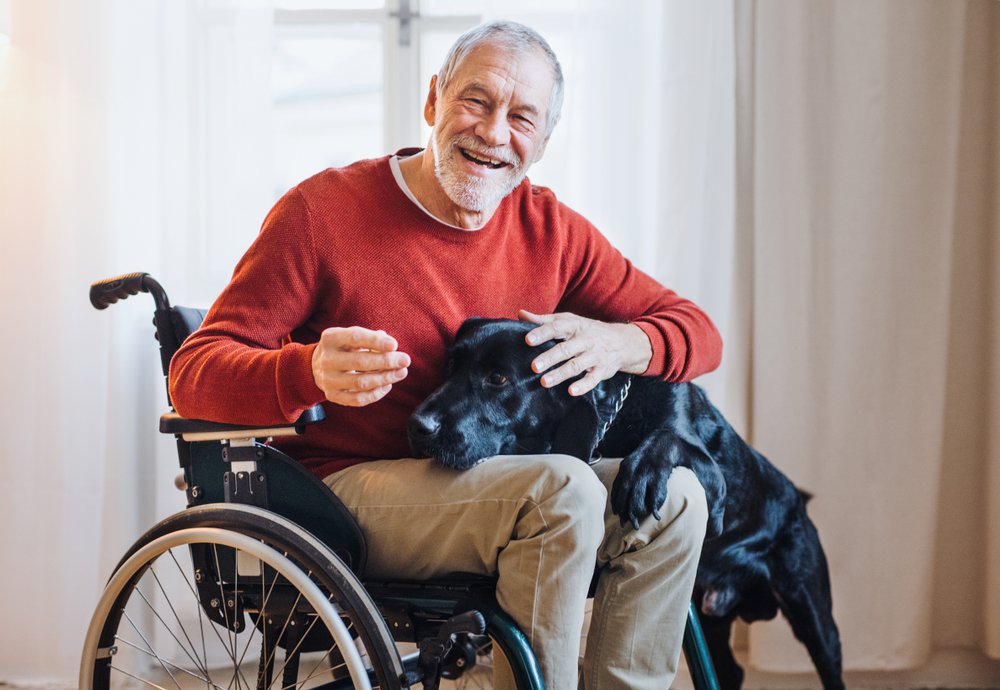
For seniors moving into an assisted living facility, the presence of pets offers meaningful emotional and practical benefits. Pets offer companionship, enhance mental health, and encourage physical activity. A study by the Human Animal Bond Research Institute (HABRI) found that 74% of pet owners reported improved mental health due to the companionship of their pets. Simply being around a pet can ease loneliness and bring a sense of comfort, especially in memory care settings. However, allowing pets in these environments requires careful planning to protect both residents and animals.
Pets can also be transformative for seniors’ overall well-being. They help create daily routines, such as feeding or walking, which provide structure—something constructive for those with memory challenges. Pets can reduce anxiety and stress while encouraging social interaction among residents. This article examines the profound impact of having animals in an assisted living facility and how this dynamic can enhance the quality of life for seniors.

Emotional Benefits of Pets in an Assisted Living Facility
Animals in assisted living facilities play a crucial role in supporting the emotional well-being of seniors. Research indicates that interacting with pets can help alleviate feelings of loneliness and depression. A 2023 study published in Scientific Reports (Nature) found that older adults with close emotional bonds to their pets reported significantly lower rates of loneliness, which in turn contributed to better executive function and slower cognitive decline.
Research also reveals that pet owners often experience lower stress and anxiety levels, which supports better overall mental health. Another review from Frontiers in Veterinary Science found that dog ownership, in particular, was associated with better social functioning and enhanced mental well-being, especially in older populations living independently or in communal settings.
Pets offer a special kind of companionship. A wagging tail or a cat curled up in a lap can bring comfort and a sense of security. This bond is significant in memory care settings, where pets help create a calming atmosphere and ease agitation.
Pets also encourage social interaction. Walking a dog or chatting about a pet can spark conversations and help residents connect. Thirty percent of engagement reduces isolation and fosters a stronger sense of purpose and community, both of which are crucial to emotional resilience and overall happiness in an assisted living facility.
Pets as Social Catalysts: Building Connections
One of the key benefits of pet ownership is its ability to encourage social interactions among residents. Pets often act as social icebreakers, prompting conversation and fostering bonds between residents who might not otherwise engage. In group settings, such as pet therapy sessions or pet walks, pets can bring people together and create a sense of community.
In communal environments, such as therapy sessions or pet walks, animals can bring people together and create a sense of belonging. The presence of animals also creates a more welcoming atmosphere within an assisted living facility. For residents who may feel withdrawn, time spent with a pet can serve as a bridge to new social experiences. Many people report feeling more connected and joyful after engaging in pet-related activities, further demonstrating how pets can facilitate meaningful connections in communal settings.
Physical and Health Benefits in the Assisted Living Environment
Pet ownership not only improves emotional health but also enhances physical well-being. Seniors in an assisted living facility who own pets often engage in more physical activity, from daily walks to interactive play. This increase in activity helps maintain mobility, strengthen muscles, and improve overall fitness.
Additionally, caring for a pet establishes a routine and structure. For individuals experiencing memory decline, these tasks—such as feeding, grooming, or playing—can provide mental stimulation and a sense of control. The National Library of Medicine pilot study showed that residents participating in pet-assisted routines experienced notable improvements in daily functional status and demonstrated enhanced emotional regulation.

A study published in The Gerontologist further supports this by confirming that older adults who walk their dogs have lower BMI, fewer doctor visits, and fewer limitations in daily activities compared to non-dog owners. Pet interaction can support aging in place by helping seniors maintain mobility, independence, and social connection.
The Logistical Considerations of Pet Ownership in Assisted Living
Integrating pets into an assisted living facility requires thoughtful planning and consideration. Policies should be in place to ensure the safety and well-being of both the residents and the animals. Facilities must set clear guidelines regarding pet care, hygiene, and protection to prevent any potential issues.
Some communities may even partner with local animal therapy organizations to provide therapy animals. These animals are often trained to interact safely with seniors, providing companionship and emotional support without the logistical challenges of pet ownership. Staff members should be trained in animal behavior and how to support both residents and pets.
Creating a Holistic Care Environment
Pets provide more than just companionship—they can transform the entire culture of an assisted living facility. By incorporating pet ownership or pet therapy programs, facilities can create a more vibrant, compassionate, and engaging environment for seniors. Pets contribute to a sense of community, encourage social interaction, and promote mental and physical well-being.
The evidence is clear: the benefits of pet ownership in assisted living are profound. By embracing these programs, assisted living communities can offer a higher level of care and improve the quality of life for their residents.
Facilities should develop clear pet policies, provide resident education, and partner with shelters or therapy groups to implement these programs. These steps support smooth integration, protect resident and animal safety, and enhance the positive impact pets have on the entire community.

The Healing Power of Pets in Senior Care
The impact of having a pet in an assisted living facility is clear. Pets offer emotional support, reduce loneliness, encourage physical activity, and foster social connections. By implementing pet-friendly policies or pet therapy programs, facilities can significantly enhance the lives of their residents, creating a more positive and engaging environment.
If you’re considering integrating pets into your assisted living community, now is the time to start exploring these opportunities. The benefits they provide extend beyond companionship, fostering a healthier and more connected environment. Contact us today to discover how Assured Assisted Living can bring the joy of pets into your community and enrich the lives of your residents.