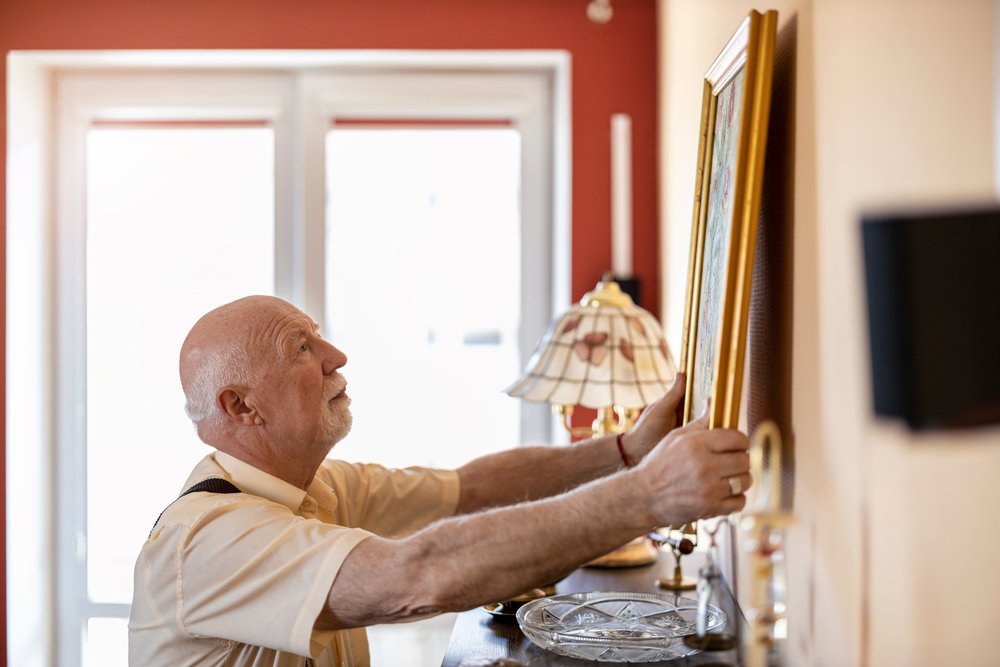
Decorating a personal space in an assisted living facility offers more than just aesthetic benefits. It gives seniors a sense of ownership, supports emotional well-being, and reinforces their identity. When seniors are part of the decorating process, their living environment becomes a reflection of who they are—making it feel more like home.

The Impact of Personalizing Spaces in an Assisted Living Facility
Encouraging seniors to personalize their rooms in an assisted living facility is more than a gesture; it is a strategy that nurtures autonomy, identity, and emotional stability. As seniors face significant transitions, having control over their environment becomes essential. Instead of merely adjusting to a new space, they actively shape it. Minor additions, such as cherished photos, familiar books, heirlooms, or artwork, serve as emotional anchors that help ease the transition to a new home.
Research published in the National Library of Medicine highlights the importance of environmental familiarity, particularly for individuals with dementia. Personalizing a space helps reduce disorientation and confusion, common challenges in assisted living settings. Additionally, choosing decor or deciding where to place a favorite chair creates a sense of agency, restoring a feeling of control at a time when many other aspects of life may feel uncertain.
A 2023 study in Archives of Gerontology and Geriatrics also found that older adults who actively participated in shaping their living spaces reported higher levels of satisfaction and emotional well-being. This simple act of personalization leads to more than comfort; it contributes to psychological resilience.
Emotional and Cognitive Benefits of Involvement
Designing a living space in an assisted living facility also fosters emotional and cognitive health. Familiar items can trigger vivid and meaningful memories, especially in individuals with mild cognitive impairment or dementia. According to a study published by the National Institutes of Health, using visual cues from personal items can significantly enhance orientation and reduce stress responses in residents of memory care facilities.
Participation in decorating serves a dual purpose: it helps maintain cognitive function through decision-making and stimulates mental engagement. Choosing paint colors, arranging furniture, or selecting personal items taps into long-term memory and encourages seniors to reflect on life experiences.
Moreover, these choices can improve mood and reduce anxiety. Studies show that seniors involved in environmental decisions tend to display greater emotional regulation and fewer behavioral disruptions. This sense of control and engagement is directly tied to improved quality of life within assisted living environments.
Building Social Bonds Through the Decorating Process
Personalizing a space can deepen relationships in an assisted living facility. When seniors decorate with family members or caregivers, it opens the door to meaningful conversations and storytelling. These shared moments strengthen emotional connections and foster understanding.
Decorating together also helps families learn more about their loved ones’ preferences and history. As a collaborative activity, it reduces feelings of isolation and encourages connection. Seniors who feel included and valued are more likely to experience emotional support.
Enhancing Well-Being Through Personal Touches
Allowing residents to add personal touches in an assisted living facility has clear emotional and physical benefits. Personalized rooms promote comfort, reduce stress, and offer a calming atmosphere. In turn, this supports better sleep and overall wellness.
Home-like environments can ease agitation and support emotional regulation. When residents have control over decor choices, they gain a stronger sense of self and agency. This involvement reinforces their role in shaping daily life, which helps boost confidence and resilience.
Additionally, participating in room design also sparks creativity and mental engagement. Whether choosing colors or arranging furniture, the process helps maintain cognitive function and gives seniors a sense of achievement. These benefits contribute to a more satisfying living experience.

Fostering a Sense of Community in the Assisted Living Facility
Personalization does more than enhance individual rooms; it fosters a sense of belonging and strengthens relationships within the broader assisted living facility. When families, caregivers, and residents collaborate on decorating, these shared activities build deeper social connections.
This cooperative resident's valuable insight into a resident’s preferences, history, and personality. This insight helps caregivers provide more meaningful support. It also opens the door to conversations and storytelling, turning room setup into a powerful relationship-building experience.
Additionally, communal involvement in decorating can reduce feelings of isolation. As residents engage with others by sharing memories or offering design suggestions, they are more likely to form bonds with peers and staff. A sense of community emerges not only from structure alone, but also from the emotional investment residents have in their environment. The more personal the space, the more connected they feel to the people around them.
The Heart of Home
Personalizing living spaces in an assisted living facility offers emotional, cognitive, and social benefits. When seniors are empowered to make decisions about their environment, they feel more connected and in control of their lives. These personal touches not only enhance the emotional well-being of residents but also foster stronger bonds between residents, their families, and caregivers. Seniors ' ratingspaces that reflect their individual histories can significantly improve their quality of life. Personalized living environments help seniors feel at home, reducing feelings of loneliness and boosting their overall satisfaction with their care. Learn more about creating customized environments in an assisted living facility with Assured Senior Living.