Health checks play a crucial role in supporting the well-being of seniors living in residential care communities. Health monitoring of vital signs and observation of daily habits help detect changes before they escalate into emergencies. Regular monitoring ensures residents receive timely care that maintains safety, comfort, and quality of life.
Families often worry about how quickly staff can notice shifts in their loved one’s health. Continuous assessments provide reassurance that small changes are recognized early. With proactive monitoring, caregivers can adjust support plans and address needs before complications arise.
Why Health Monitoring Matters for Residents
Continuous health monitoring protects resident well-being by identifying subtle changes early, allowing caregivers to adjust care plans and prevent complications. Tracking vital signs, daily habits, and overall wellness helps detect emerging issues before they become emergencies. This proactive approach ensures residents remain safe, comfortable, and supported while families gain peace of mind.
How Does Continuous Health Monitoring Detect Changes Early?
Continuous health monitoring helps caregivers notice subtle shifts in appetite, mood, mobility, or social engagement daily. Often, these small behavioral changes indicate emerging health concerns requiring timely observation and thoughtful intervention. Families gain reassurance knowing staff recognize meaningful signals promptly and respond proactively to prevent complications.
By consistently observing sleep patterns, activity levels, and emotional tone, staff acquire a holistic understanding of each resident’s well-being. Early identification allows caregivers to adjust routines, supports, or interventions before minor concerns develop into larger issues. Residents benefit from proactive attention that maintains stability, confidence, and comfort throughout their daily routines.
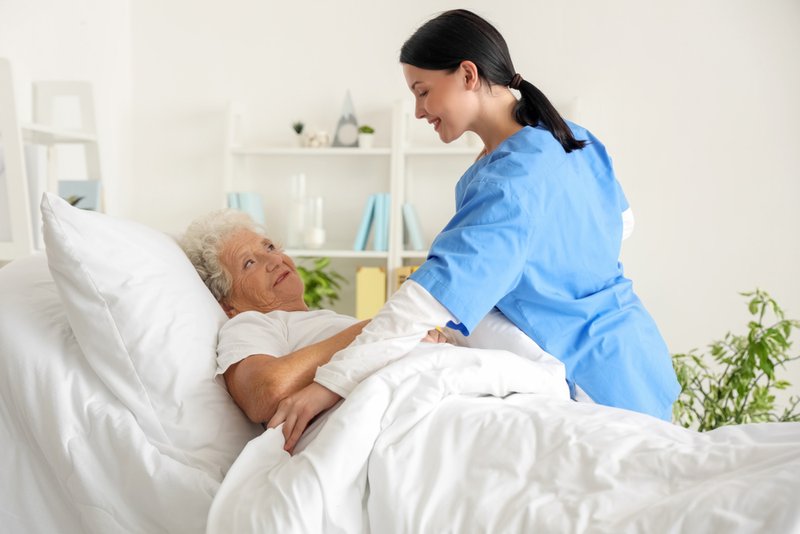
Furthermore, ongoing observation supports effective individualized care planning that adapts to each resident’s evolving needs and personal preferences. As patterns emerge, staff can modify schedules, nutrition, and engagement strategies to enhance quality of life. Residents thrive when care is consistently responsive, thoughtfully planned, and tailored to their unique requirements.
Additionally, monitoring strengthens communication with families who appreciate transparency regarding their loved one’s health and daily experiences. Sharing observed trends helps relatives understand routines, emotional well-being, and overall stability in care. Consequently, trust and confidence develop between families and caregiving teams, ensuring better outcomes for residents.
Which Vital Signs Should Be Tracked for Preventive Care?
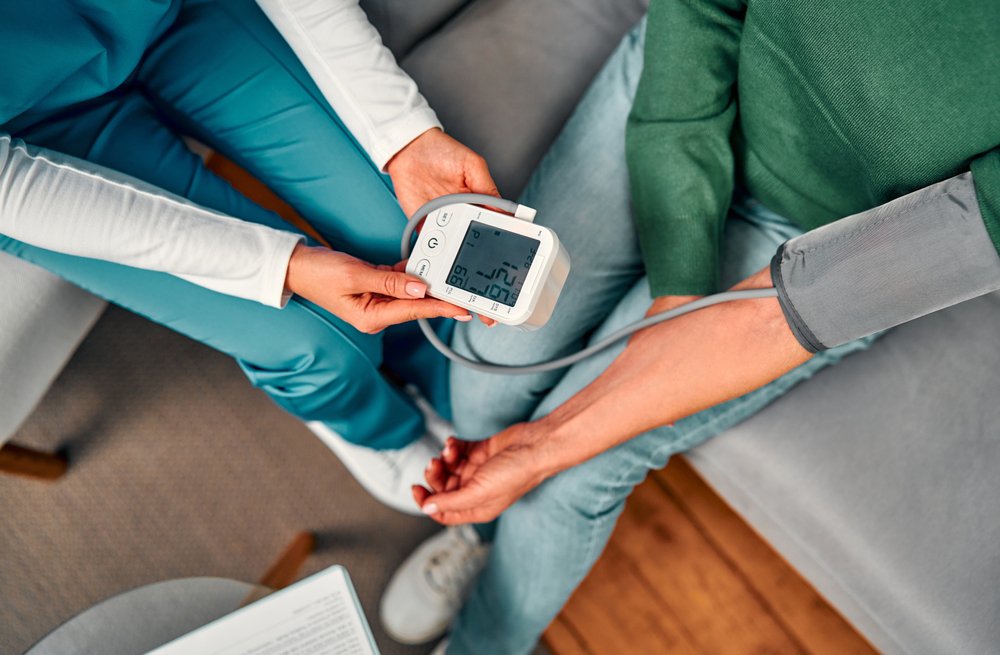
Tracking vital signs is essential for preventive care because it enables early detection of potential medical issues. Measurements of blood pressure, heart rate, oxygen levels, and temperature help identify cardiovascular, respiratory, or other emerging health concerns. Staff use these indicators to make timely adjustments, preventing minor fluctuations from becoming serious complications.
Consistent monitoring also supports management of chronic conditions, including diabetes, hypertension, or long-term mobility challenges. Timely interventions with medication, hydration, or activity modifications effectively maintain stability and enhance residents’ daily comfort. Families appreciate knowing their loved ones receive attentive, ongoing care that safeguards overall health.
Monitoring additional metrics such as weight, mobility, and sleep patterns provides comprehensive insight into each resident’s wellness profile. Behavioral observations combined with physiological data support informed decisions about routines, nutrition, and activity planning. Residents experience more predictable, safe care environments that adapt dynamically to their needs consistently.
Long-term trend tracking further allows caregivers to anticipate future needs and develop proactive interventions. Predictive insights reduce the likelihood of unexpected hospital visits or acute medical emergencies. Overall, this comprehensive approach improves quality of life, independence, and overall resident satisfaction.
How Do Regular Health Monitoring Assessments Provide Personalized Health Insights?
Routine assessments provide a clear understanding of each resident’s baseline health, habits, and preferences. Observing patterns over time allows caregivers to tailor care plans that meet evolving physical, emotional, and cognitive needs. Personalized insights improve daily routines, optimize support, and consistently reinforce residents’ overall independence and comfort.
Assessments also track social and emotional wellness, providing valuable information on mood, engagement, and cognitive alertness. Changes in these areas may indicate the need for adjustments in activities, socialization, or supportive interventions. Staff use these observations to create individualized strategies that preserve dignity while enhancing meaningful participation.
Health monitoring reassures families through transparent reporting of trends and observable changes in their loved one’s daily life. Sharing these insights fosters confidence, strengthens trust, and promotes stronger collaboration between caregivers and family members. Consequently, families feel informed, involved, and secure regarding their loved one’s health status.
Long-term assessments support proactive planning by highlighting potential shifts in mobility, cognition, and overall wellness. Staff can implement preventive measures and lifestyle adjustments to maintain stability and safety. Residents benefit from sustained independence, personalized attention, and a consistent focus on well-being every day.
How Is Health Monitoring Data Used to Adjust Care Plans?
Care teams rely on health monitoring data to consistently adapt care plans to residents’ evolving needs. Observing changes in vital signs, behavior, or engagement allows caregivers to modify meals, hydration, or daily routines. Adjustments are made thoughtfully to prevent complications while promoting comfort, safety, and dignity for each resident.
For example, decreased mobility may lead to gentle exercise interventions or additional assistance with daily activities. Observed changes in mood, appetite, or social interaction may trigger modifications to engagement strategies or nutrition plans. Every adjustment prioritizes resident well-being while maintaining independence and confidence within their familiar environment.
Insights from the “How Assured Senior Living Adapts to Changing Health Needs” demonstrate how flexible planning effectively incorporates observed data. Collaborative teams ensure consistency, responsiveness, and proactive problem-solving to support long-term wellness. Care becomes dynamic, individualized, and focused on prevention rather than reacting to emergencies after they occur.
Proactive adjustments foster stronger trust with families who observe their loved ones receiving attentive, responsive, and adaptive care daily. Residents experience continuous support, improved safety, and comfort, while families gain reassurance regarding quality of care. Overall, data-driven adjustments contribute to higher quality outcomes and long-term health management.
Key Benefits of Proactive Health Management
Proactive health monitoring delivers several significant benefits for residents and families in residential care communities. Early detection reduces hospitalizations, serious complications, and emergencies before they escalate into critical situations. Families can feel confident knowing caregivers address subtle changes quickly and thoughtfully every day.
Care teams use continuous observation to support personalized care plans that preserve daily routines while meeting evolving needs. Key benefits include:
- Early detection: Identifies subtle health changes before serious complications develop, ensuring timely interventions and safer care.
- Personalized plans: Adjusts meals, activities, and social engagement to reflect each resident’s unique needs and preferences.
- Chronic condition management: Supports ongoing monitoring for diabetes, hypertension, or mobility challenges to prevent exacerbations.
- Emotional and social support: Monitors well-being to consistently enhance engagement, mood, and meaningful interactions.
- Family reassurance: Transparent communication fosters trust and confidence in the quality of care provided daily.
Residents experience enhanced safety, comfort, and independence because their care consistently adapts proactively to evolving needs. Ongoing monitoring strengthens coordination between staff and families, improving overall wellness and peace of mind. The combination of individualized attention and early intervention promotes higher quality outcomes for every resident.
Using proactive health-monitoring strategies, residents thrive in supportive environments where staff prioritize safety, dignity, and comfort. Families can observe meaningful improvements while trusting their loved ones receive attentive, data-driven care. Ultimately, this approach ensures residents live with independence, engagement, and confidence throughout their daily lives.
Supporting Resident Independence and Peace of Mind
Health monitoring enables residents to maintain independence while ensuring safety. Simultaneously, caregivers provide discreet support, enabling daily routines and activities to continue uninterrupted. As a result, residents remain active, engaged, and confident.
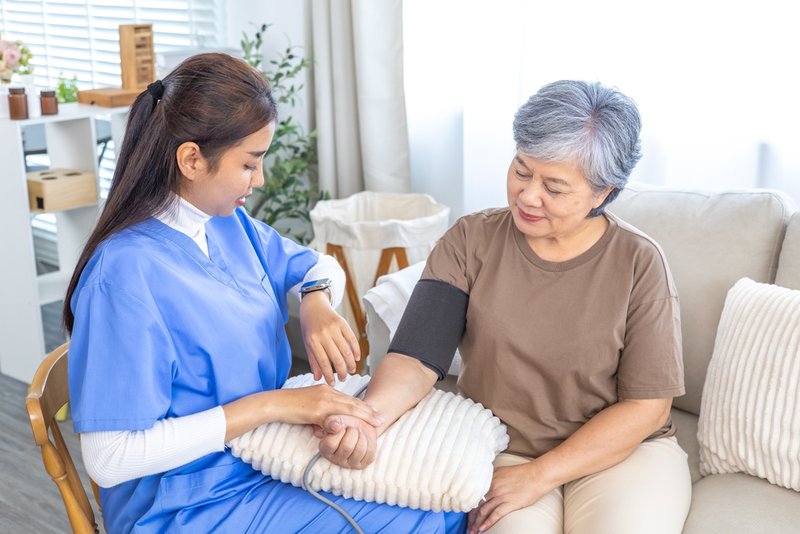
Moreover, monitoring reduces anxiety for residents themselves. Knowing that staff are attentive to subtle changes creates reassurance. Emotional well-being improves when residents feel consistently supported and understood.
Additionally, families experience peace of mind knowing health concerns are addressed promptly. Observing stability or improvements in health metrics builds trust. Consequently, they can focus on meaningful interactions without constant worry about emergencies.
Prioritizing Wellness Through Continuous Health Monitoring
Continuous health monitoring safeguards resident well-being while promoting comfort, safety, and independence. Care teams can detect early changes, adjust routines, and prevent complications through vigilant observation. This proactive approach ensures residents receive care tailored to their needs while families remain confident in the support provided.
At Assured Senior Living, our Colorado communities use proactive health monitoring to respond quickly to any changes in resident health. Families can see firsthand how daily wellness checks protect residents and enhance quality of life. Reach out to Assured Senior Living to learn more about how we prioritize safety, dignity, and personalized care every day.