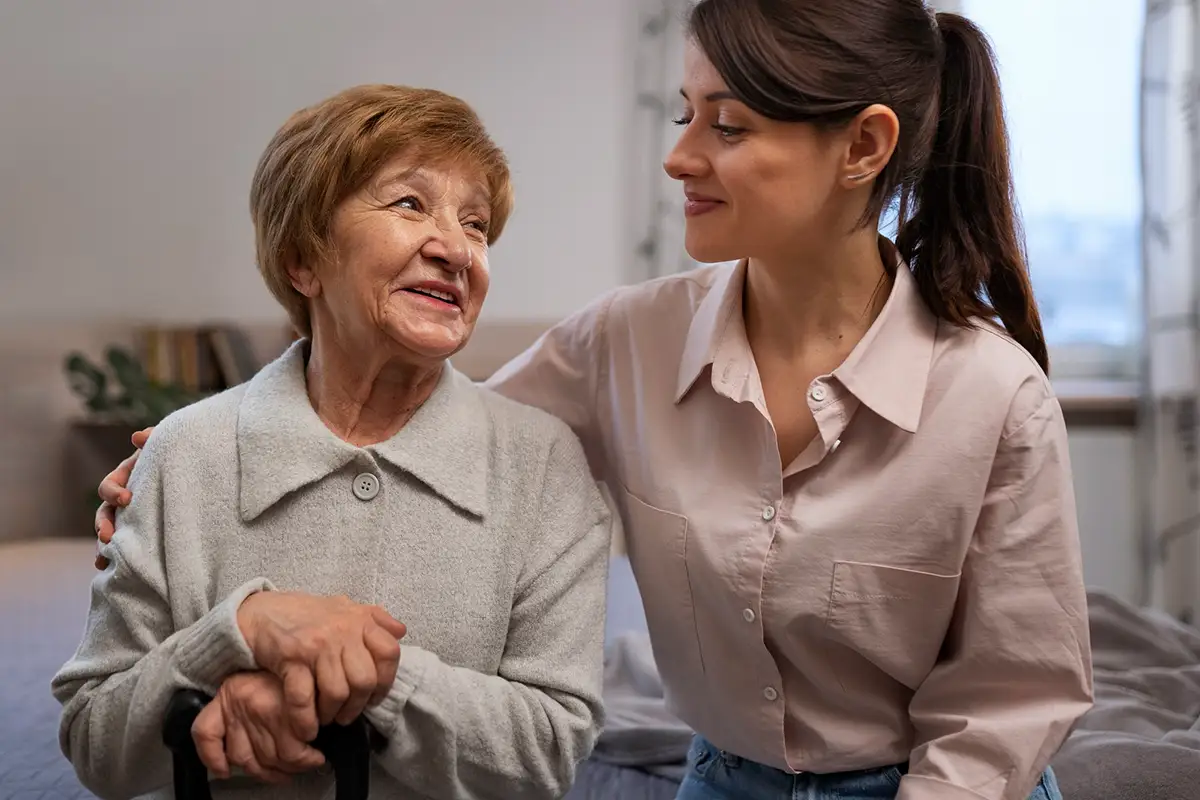
Image by Freepik
Being a caregiver—whether for aging parents, a partner, or patients—means constantly giving. Yet the one person often left out of the equation is you. Mental health in caregiving isn’t just about surviving long days; it’s about preserving clarity, hope, and the small joys that keep burnout at bay.
If You Read Nothing Else
Your mental well-being needs intentional micro-habits—unexpected, sensory, and community-driven. Try sound therapy, “micro walks,” storytelling, journaling, and structured learning. Even five minutes of restorative rituals can rewire emotional fatigue.
Rethinking the Caregiver Mindset
Most caregivers assume resilience is infinite. It’s not.
Mental exhaustion doesn’t always scream—it whispers through irritability, sleeplessness, or numbness.
Here are small, unconventional ways to replenish your mind:
- Swap “self-care” for “micro-restoration.” Two minutes of stretching or sitting quietly before entering a patient’s room is better than waiting for a rare spa day.
- Use your hands differently. Bake, knit, or garden—repetitive motor tasks have been shown to lower cortisol (NIH research).
- Listen to non-verbal sounds. Ambient recordings—like ocean hums from Noisli—can improve concentration and soothe overstimulated senses.
- Anchor mornings with scent. Aromatherapy or simply using the same coffee mug creates predictability—an antidote to chaos.
Compassion Has a Home: Learning from Assisted Living
At Assured Assisted Living, caregivers are taught something profound: care flows both ways. Their philosophy emphasizes shared dignity—creating small, personalized rituals for residents that equally nourish staff.
Borrow that idea. If you’re caregiving at home, create micro-connections: a shared playlist, a daily gratitude sentence, or five minutes of sitting together silently. These micro-rituals form emotional scaffolding for both of you.
Unusual Mental Health Boosters for Caregivers
| Habit | Why It Works | Try This |
| Five-Minute Micro Walks | Stimulates dopamine and reduces caregiver fatigue | Walk to the mailbox twice a day, even if unnecessary |
| Narrative Journaling | Turns emotional chaos into meaning | Write short letters to your future self |
| Temperature Therapy | Alternating heat/cold activates calm nerve pathways | Contrast showers or alternating warm/cool compresses |
| “Digital Sabbaths” | Reduces cognitive overload | One hour daily with no screens—use an analog timer (Pomofocus) |
| Learning Something New | Expands identity beyond caregiving | Online mini-courses via Coursera or Skillshare |
How-To Checklist: A 5-Day Mental Recharge Protocol
Use this five-step mini-system as a pattern interrupt.
Day 1 – Declutter Thought Space
☑ Write down three ongoing worries. Circle only one you can act on.
☑ Dispose of the rest (literally—tear the paper).
Day 2 – Ground Physically
☑ Schedule a 15-minute walk outdoors.
☑ Replace one doom-scroll with 10 deep breaths.
Day 3 – Restore Sensory Joy
☑ Eat with no phone.
☑ Light a candle before bed.
Day 4 – Reconnect Socially
☑ Call one friend and talk without updates—just listen.
Day 5 – Reclaim Identity
☑ Do one thing unrelated to caregiving—a course, art, or cooking experiment.
Why Learning Again Can Heal
Returning to study—even casually—builds cognitive resilience. Research shows lifelong learning activates the brain’s reward system. For caregivers, enrolling in online programs can double as self-development and mental renewal.
Exploring advanced healthcare administration degrees, for instance, not only strengthens professional growth but also enhances empathy through systems thinking.
Online degree programs are particularly beneficial for busy professionals who can’t commit to rigid schedules. They offer a flexible way to blend purpose with progress—empowering caregivers to lead, not just assist.
Product Spotlight — Mindful Tools Worth Trying
Sometimes, objects help anchor new habits.
TheraBox — a monthly “self-care box” curated by therapists. It delivers small, mood-lifting items—journals, candles, affirmations—that make wellness tactile, not abstract.
Other helpful finds:
- Headspace for short, calming meditations
- BetterHelp for remote therapy
- Daylio for emotion tracking without typing a word
FAQ — Quick Clarity for the Overwhelmed Caregiver
I feel guilty taking breaks. Isn’t that selfish?
No. Sustainable caregiving demands periodic withdrawal.
What if therapy feels financially out of reach?
Explore telehealth options like Open Path Collective, which offers affordable sessions.
How do I know if burnout is approaching?
Watch for “emotional flatness”—when nothing feels good or bad. That’s your cue to rest and recalibrate.
Is journaling really helpful?
Yes. Studies show expressive writing reduces stress hormones.
Glossary of Key Concepts
- Micro-Restoration: Tiny acts of care done throughout the day to prevent emotional depletion.
- Fan-Out Learning: Engaging multiple learning modalities (audio, reading, doing) to stimulate neuroplasticity.
- Cognitive Fatigue: A state of mental exhaustion where decision-making slows and empathy declines.
- Sensory Anchoring: Using consistent sights, scents, or sounds to ground the mind.
- Reframing: Viewing a stressor through a new, less threatening lens.
Care Starts Where You Stand
Your mind deserves the same attentiveness you give others. Caring for your mental health isn’t indulgence—it’s infrastructure. Find tiny, ritualized ways to return to yourself daily, and let structure—not guilt—guide your recovery.