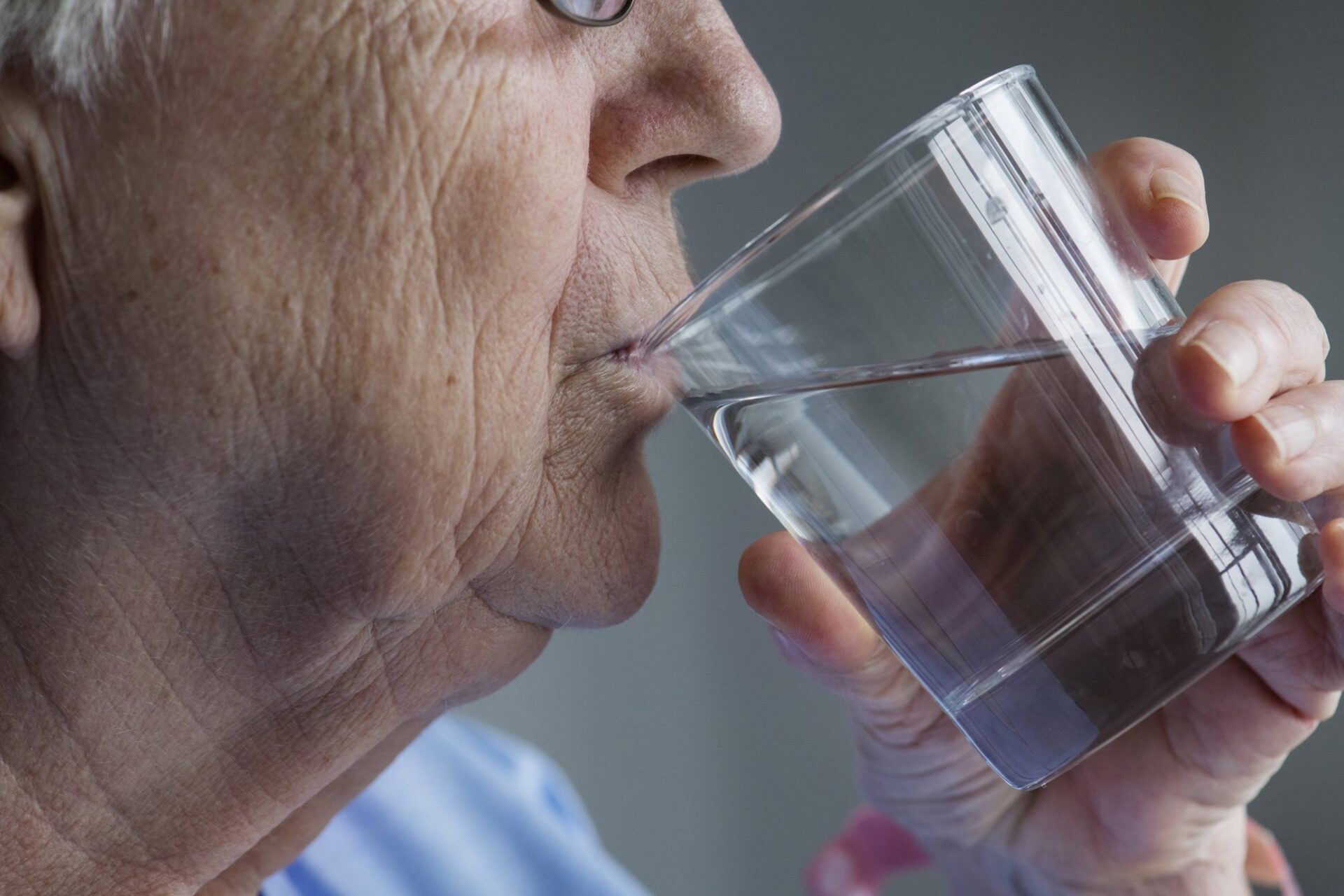
Aging brings about many changes, including a decrease in thirst awareness, making hydration in seniors a critical focus for wellness. Many older adults may not feel thirsty until they are already mildly dehydrated, which can put their health at risk. Encouraging hydration through enjoyable and nutritious beverages helps maintain energy, cognitive function, and overall well-being.
Simple water intake is essential, yet it often feels routine or unappealing. Offering seniors a variety of flavorful, nutrient-rich beverages can make drinking fluids a pleasurable habit rather than a chore. With daily support and creative options, hydration can become a consistent part of senior care routines.
Understanding Dehydration Risks and the Importance of Hydration in Seniors
Older adults face an increased risk of dehydration due to age-related changes in kidney function, muscle mass, and fluid balance. The body naturally loses water over time, and combined with decreased thirst sensation, this can quickly lead to fluid deficits. Fear of incontinence or mobility challenges often makes seniors drink less than they need.

The health impact of dehydration is significant. Even a 1–2% loss of body water can impair mental focus and cause dizziness or fatigue. During 2015–2018, U.S. adults drank an average of 44 ounces of plain water daily, which, for many older adults, is lower than the ideal amount and increases the risk of dehydration, potentially leading to longer recovery times and hospitalization.
Beyond physical effects, dehydration can worsen cognitive decline. Memory lapses, confusion, and irritability often accompany fluid loss, adding to the stress for families. Encouraging consistent hydration in seniors supports both physical safety and emotional well-being.
Caregivers play a vital role in recognizing the early signs of dehydration. Dry lips, darker urine, headaches, or sudden tiredness are cues to increase fluid intake promptly. Consistent monitoring and small reminders can help reduce health risks associated with dehydration.
Families who educate themselves about dehydration can take simple steps to protect loved ones. Offering fluids frequently, pairing drinks with daily activities, and using brightly colored cups are small changes that build intense routines.
Infused Water, Herbal Teas, and Smoothies for Enjoyable Hydration
Making beverages visually appealing and flavorful can transform hydration for seniors into an enjoyable part of the day. Infused water with berries, citrus slices, or cucumber adds a gentle taste and color without sugar. Seniors are more likely to sip throughout the day when drinks feel refreshing and fun.
Herbal teas provide warmth, comfort, and subtle flavor variations. Served hot or chilled, caffeine-free teas with chamomile, mint, or fruit blends can be soothing and hydrating. Rotating flavors prevents beverage fatigue and encourages consistent drinking.
Smoothies are an excellent choice for a nutrient-dense hydration option. Blending yogurt, soft fruits, and vegetables creates drinks that are rich in vitamins, minerals, and hydration. These beverages are beneficial for those with chewing or swallowing difficulties.
Adding creative options to daily routines also supports social engagement. Seniors may enjoy selecting fruits or herbs for their infused waters or sharing a smoothie during group activities. Pleasant hydration routines encourage consistent intake and foster a sense of choice.
Routine beverage variety reduces reliance on water alone. Pairing hydration with light nutrition further enhances energy, strengthens the immune system, and creates a positive daily experience.
Hydration’s Role in Cognition and Fall Prevention
Water plays a crucial role in maintaining brain function and physical safety. Seniors with mild dehydration often experience slower reaction times and reduced concentration. When hydration in seniors is consistent, memory, alertness, and decision-making improve noticeably, which ultimately improves quality of life.
Hydration also contributes to fall prevention. Dehydration can lead to low blood pressure, dizziness, or sudden weakness, increasing the likelihood of falls. Regular fluid intake stabilizes circulation and reduces these avoidable risks.
Structured routines ensure that hydration supports both mental and physical well-being. Pairing drinks with meals, medications, or transitions between activities creates a habit that sticks. Small, frequent sips are safer and more effective than large, infrequent intakes.
Caregivers can easily integrate hydration checks into their daily caregiving routine. Observing urine color, skin elasticity, and energy levels helps identify early warning signs. By staying proactive, many common health issues can be avoided.
Nutritious Drinks that Support Hydration in Seniors and Provide More than Fluids
Hydration can also deliver essential nutrients when beverages are chosen thoughtfully. Smoothies packed with leafy greens, yogurt, and berries supply calcium, vitamin D, and antioxidants. Seniors benefit from beverages that both hydrate and nourish.
Lightly fortified drinks can fill dietary gaps. For example, low-sugar juices blended with water can provide potassium and vitamin C without excessive calories. Herbal teas, such as those with hibiscus or rooibos, offer antioxidants while keeping hydration enjoyable.
Consistency is key for nutritional support. Offering a mix of water, teas, and smoothies throughout the day ensures a balance between hydration and nutrient intake. This combination enhances energy and immune defense, especially during seasonal illness peaks.
Families can make hydration engaging with simple activities. Inviting loved ones to prepare smoothies together or choose their tea flavors promotes autonomy and interest. Maintaining dignity and encouraging hydration in seniors supports positive participation and overall well-being.

Creating a Daily Hydration Routine
Structured routines are the foundation of lasting hydration success. Seniors benefit from predictable patterns, such as drinking a small glass with meals and snacks. Caregivers can gently remind or assist without overwhelming the resident.
Visual cues are also helpful. Keeping a colorful water bottle or pitcher within reach encourages regular sipping. Pairing drinks with pleasant rituals, like afternoon tea, transforms hydration into a comforting habit.
Monitoring intake ensures goals are met. Caregivers can track fluid consumption throughout the day and adjust offerings accordingly based on activity levels or weather conditions. During summer months or in warm indoor environments, prioritizing hydration in seniors requires extra attention to prevent fluid loss.
Combining hydration with social interaction strengthens the routine. Shared beverage times encourage conversation, laughter, and engagement while meeting essential fluid needs. Consistent practice adapts to changing health needs and builds confidence for both seniors and their families.
A Simple Habit That Protects Health
Supporting hydration in seniors is a vital part of protecting health, energy, and independence. Creative beverages such as infused waters, herbal teas, and nutrient-rich smoothies make staying hydrated easier and more enjoyable. Families who incorporate hydration into their daily routines can reduce the risk of confusion, falls, and hospital visits.
For those seeking compassionate, home-like care where hydration and wellness are top priorities, Assured Senior Living offers attentive daily routines and innovative beverage options. Their approach combines personalized support, safety, and dignity, ensuring seniors receive the gentle care they deserve. Families can feel confident knowing their loved ones are in an environment where comfort and health thrive.