Imagine waking up one day and struggling to remember a loved one’s name. This is a jarring reminder of the cognitive challenges that often follow a neurological event. Thankfully, while engaging in mental activities may offer comfort and enjoyment, meaningful recovery usually depends on a more structured approach. This is precisely where cognitive rehabilitation plays a vital role. By carefully distinguishing it from mental stimulation, we can better tailor care and improve outcomes for those facing cognitive decline.
Ultimately, although both approaches support cognitive health, cognitive rehabilitation and cognitive stimulation serve distinct purposes. Therefore, understanding how they differ and when to apply each can guide more effective care strategies.
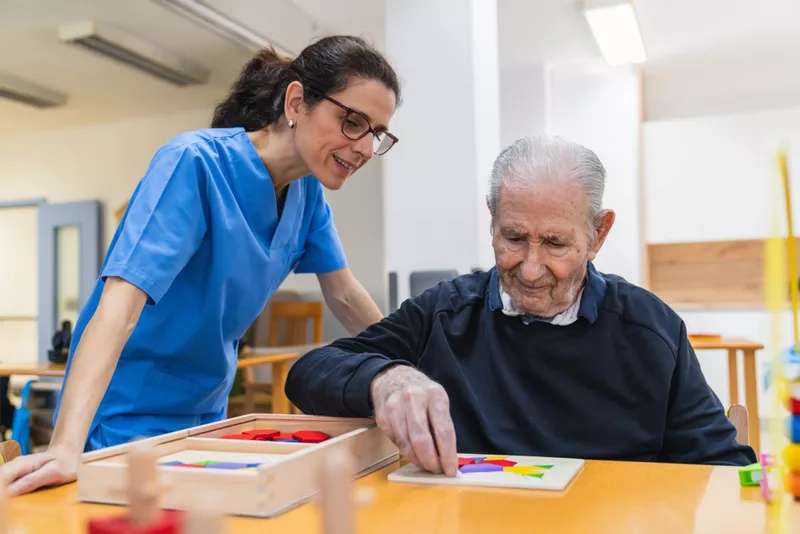
Understanding Cognitive Rehabilitation and Its Contrast with Stimulation
Objectives: Enhancement vs. Restoration
To begin with, cognitive stimulation and cognitive rehabilitation serve different purposes in the realm of cognitive health. Cognitive stimulation aims to enhance existing cognitive functions by engaging individuals in activities that promote mental agility, creativity, and social interaction. Conversely, cognitive rehabilitation focuses on restoring cognitive functions lost or impaired due to neurological events like strokes or traumatic brain injuries.
Cognitive Stimulation Goals:
- Enhance memory and attention.
- Improve problem-solving skills
- Foster social engagement
Cognitive Rehabilitation Goals:
- Regain lost cognitive abilities.
- Develop compensatory strategies for daily tasks.
- Support emotional and psychological recovery.
Recognizing these distinct objectives helps families and providers select the appropriate support for each individual’s specific needs.
Techniques: Everyday Engagement vs. Targeted Therapy
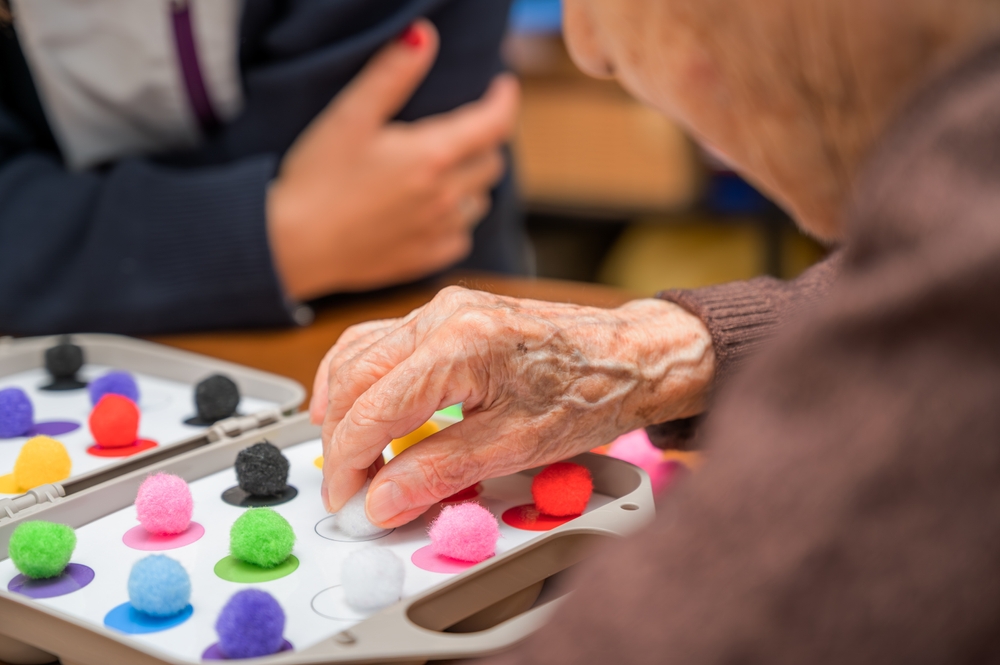
The approaches used in cognitive stimulation and cognitive rehabilitation also differ significantly. Generally, stimulation involves enjoyable, low-pressure activities like puzzles, storytelling, arts and crafts, and social events. These are often facilitated in group settings such as senior centers.
On the other hand, cognitive rehabilitation is typically conducted one-on-one with a trained therapist. It includes structured exercises and tools tailored to address specific deficits.
Therapeutic Components of Cognitive Rehabilitation:
- Therapists lead individualized sessions designed around patient needs
- Specialists conduct neuropsychological assessments to evaluate cognitive deficits.
- Repetitive practice targeting memory, attention, and executive function
Dedicated therapists lead rehabilitation programs to deliver personalized, targeted care.
Outcomes: Social Enjoyment vs. Functional Recovery in Cognitive Rehabilitation
Notably, the effectiveness of each approach can be measured in different ways. For instance, cognitive stimulation often leads to increased social engagement, enjoyment, and emotional well-being. While these are meaningful improvements, they do not always translate into restored cognitive function.
In comparison, cognitive rehabilitation emphasizes measurable gains in everyday independence. It helps patients rebuild abilities needed for daily life and navigate challenges with more confidence.
Common Outcomes of Cognitive Rehabilitation:
- Regained the ability to perform daily living tasks independently
- Improved attention span and memory recall in real-life scenarios
- Enhanced emotional well-being through successful coping strategies
Therefore, while cognitive stimulation enhances quality of life through engagement, cognitive rehabilitation focuses on the practical restoration of skills essential for daily living. Understanding the key differences in outcomes can guide more effective goal-setting.
Who Benefits: Matching Care to the Individual
Different individuals benefit from each approach based on their condition and goals. Cognitive stimulation is typically used with older adults experiencing mild cognitive changes or those seeking social interaction.

Best Fit for Cognitive Stimulation:
- Seniors in assisted living or memory care
- Individuals with mild cognitive impairment
- Patients in rehabilitation centers seeking social interaction
Meanwhile, cognitive rehabilitation is more suitable for individuals recovering from or adapting to neurological injuries or diseases.
Best Fit for Cognitive Rehabilitation:
- Stroke survivors aim to regain cognitive functions.
- Patients recovering from traumatic brain injuries
- Individuals with neurodegenerative diseases
Recognizing these distinctions is crucial for applying the right recovery strategy. In many cases, matching individuals to the most appropriate intervention ensures more personalized and effective outcomes.
Combining Approaches for Holistic Cognitive Care
Integration of Stimulation and Rehabilitation
These two methods are not mutually exclusive. Understanding the key differences between cognitive stimulation and rehabilitation allows healthcare professionals to build more comprehensive treatment plans. In many cases, a well-rounded strategy combines both approaches for maximum impact. For example, a stroke survivor might engage in targeted memory exercises through rehabilitation while also participating in stimulating community activities.
Together, this combination fosters both skill restoration and emotional engagement. Over time, patients may gain confidence, independence, and improved cognitive performance. In turn, collaboration across disciplines strengthens continuity of care and encourages better long-term outcomes.
Supporting Cognitive Health with the Right Tools
Cognitive stimulation and rehabilitation each offer valuable benefits. However, truly understanding their key differences is what ensures the most effective care. On one hand, stimulation enhances cognitive resilience through meaningful engagement. On the other hand, rehabilitation rebuilds skills that support day-to-day independence. Both are essential tools within a thoughtful, patient-centered approach to brain health.
In summary, for families and caregivers navigating these choices, access to expert guidance can make a meaningful difference. Contact Assured Senior Living today to explore how their cognitive support services can help individuals regain confidence, function, and peace of mind.