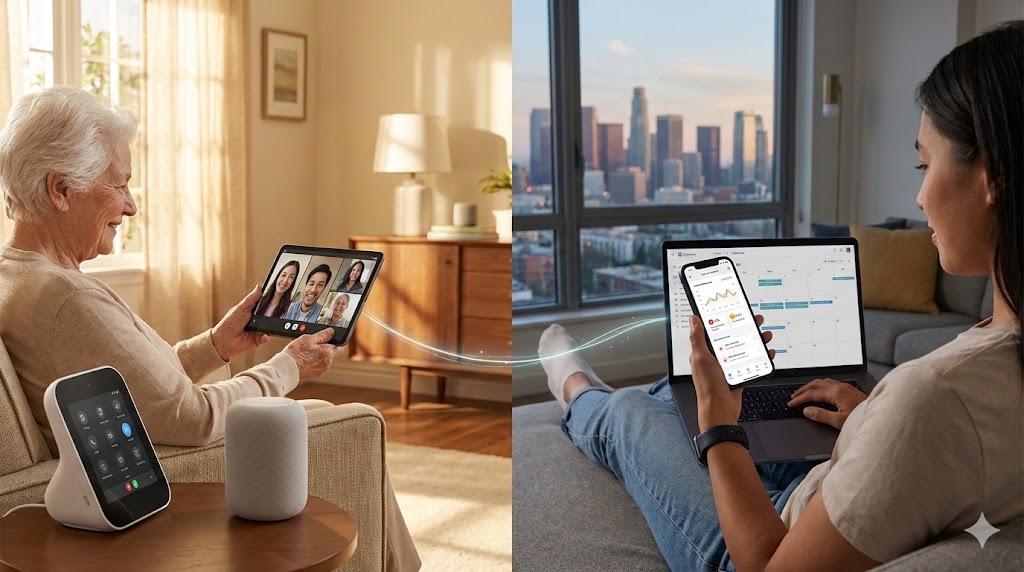
Modern life often scatters families across cities, states, and even continents. Yet when loved ones need support — especially aging parents or relatives managing health challenges — distance doesn’t lessen the responsibility or desire to help. The good news: technology is quietly reshaping what “long-distance caregiving” looks like.
Families now have access to tools and services that bridge the miles, giving peace of mind and practical help to those who want to care from afar.
What You’ll Learn Here
- The new generation of caregiving tools that make distance support easier
- How digital organization and communication services help maintain care routines
- Practical ways to combine empathy with technology to stay truly connected
- Simple steps to set up a long-distance care plan that works for everyone
The Rise of Remote Care Services
Caring for someone remotely once meant constant phone calls and complicated logistics. Today, ecosystems exist to help caregivers monitor and coordinate care from anywhere.
- Telehealth & Remote Monitoring: Wearable health trackers and connected devices allow caregivers to monitor vital signs and medication schedules.
- Virtual Companionship Services: Apps now connect older adults with friendly, vetted callers or video companions to reduce loneliness.
- Smart Home Safety Systems: Motion sensors, fall detectors, and voice assistants can alert families instantly if something’s amiss.
- Shared Family Dashboards: Multi-user apps let siblings or caregivers share notes, schedules, and updates.
These tools don’t replace human connection — they protect and enhance it, ensuring that support is both reliable and heartfelt.
Simplifying Life with Organized Digital Records
One of the biggest challenges for distant caregivers is managing important documents: medical reports, insurance papers, medication lists, and advance directives. Hunting through stacks of files wastes time during moments that require calm.
Online organization tools make a world of difference here. For instance, digitizing all essential records into one unified file makes them easily shareable with healthcare professionals or family members. If you’re helping a loved one get organized, this may help: using a PDF merging tool allows you to combine, reorder, and manage pages seamlessly so every critical document sits together in one place.
Everyday Ways to Stay Emotionally Close
Distance caregiving isn’t just about logistics — it’s also about preserving emotional presence. Here are a few practical ways to make that connection feel tangible:
- Schedule recurring video calls that focus on sharing daily life.
- Send voice notes, playlists, or photos that rekindle familiar rituals.
- Use “drop-in” video devices like Echo Show for casual, spontaneous chats.
- Coordinate family celebrations virtually so everyone feels included.
These small gestures often matter as much as physical presence.
How to Build a Reliable Long-Distance Care Plan
Once you’ve chosen tools and habits that fit your situation, a simple framework helps everything stay consistent.
Here’s a quick checklist for setting up a stable caregiving rhythm across distances:
- List Essential Contacts: Doctors, pharmacists, neighbors, and local support aides.
- Create a Shared Communication Channel: Group chat, family portal, or caregiving app.
- Digitize Key Documents: Use a merging and storage tool so files stay accessible.
- Set Regular Check-Ins: Weekly video calls to confirm tasks.
- Plan for Emergencies: Decide who’s the local contact and what protocols to follow.
When everyone knows their role, distance care becomes less reactive.
Comparing Modern Care Tools
Below is a snapshot of how today’s remote care solutions differ by focus and function:
| Service Type | What It Does | Who It Helps Most |
| Telehealth Platforms | Virtual medical consultations and monitoring | Those with chronic conditions needing regular check-ins |
| Smart Home Safety Devices | Detects movement, falls, or unusual activity | Seniors living independently |
| Family Coordination Apps | Central hub for tasks, medication, and updates | Families sharing care duties |
| Digital File Managers | Keeps medical and legal docs organized digitally | Anyone managing multiple records remotely |
This table shows that distance care isn’t “one app fits all.” The right mix depends on each family’s needs and comfort level with technology.
Real Challenges, Real Solutions
Of course, even with the best tools, caregivers face real hurdles, like time zones, privacy concerns, and the emotional strain of not being physically there. The most successful remote caregivers blend empathy with structure. They use technology not as a substitute for care but as an amplifier of it.
Connected Care FAQ: What Families Ask Most
Here are common questions families ask when setting up remote caregiving systems:
- How can I ensure my loved one’s privacy when using monitoring tools?
Most major health and smart-home services now comply with privacy laws like HIPAA. Still, review privacy settings carefully, use encrypted apps, and explain to your loved one exactly what’s being tracked and why. - What’s the best way to handle emergencies when I’m far away?
Pair tech alerts with human backup. Identify a nearby family member, friend, or home-care professional who can respond quickly when an alert is triggered. - How can I prevent “tech fatigue” for my parent or relative?
Start small. Introduce one new device or app at a time, focusing on ease of use. Choose voice-enabled tools for those uncomfortable with screens. - What if multiple siblings are sharing caregiving duties?
Shared apps like CaringBridge or Lotsa Helping Hands allow everyone to post updates and assign responsibilities transparently — preventing miscommunication. - Can online organization tools really reduce stress?
Absolutely. Having a single, combined file for essential documents reduces anxiety during medical appointments, insurance claims, or emergencies, allowing you to focus on care rather than paperwork. - How do I balance emotional support with practical responsibilities?
Create separate “connection times” and “care management times.” This keeps emotional conversations from being swallowed by logistics, helping both you and your loved one feel heard and valued.
Closing Thoughts: Care, Reimagined
Long-distance caregiving may never feel effortless — but it no longer has to feel impossible. With the right combination of structure, compassion, and smart tools, families can bridge distance without losing intimacy or reliability.
The essence of care has always been attention and presence. Now, technology helps us offer both — even when we’re miles apart.