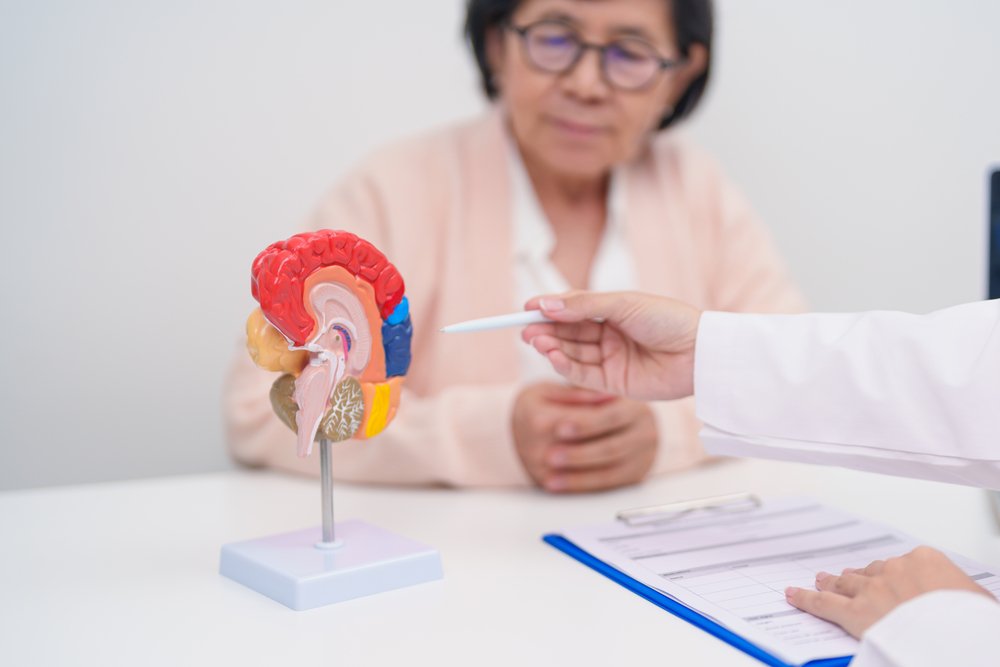
Experiencing a head injury earlier in life can have lasting effects, especially when it comes to brain injury and dementia. Seniors with a history of concussion or traumatic brain injury often face increased risks of memory loss, cognitive decline, and changes in daily functioning. Understanding this link empowers families to take proactive steps to protect memory, support brain health, and ensure the safety of their loved ones.
Even subtle shifts in brain structure and connectivity can influence memory, attention, and emotional regulation over time. These changes may accelerate age-related cognitive decline, often appearing years after the initial injury. By recognizing the connection, families and caregivers can adopt strategies that strengthen resilience, preserve independence, and improve overall quality of life.
Can a History of Brain Injury Increase Dementia Risk?
A mild concussion earlier in life can raise the chances of brain injury and dementia, affecting memory, attention, and emotional regulation over time. Repeated injuries may trigger abnormal protein buildup, gradually eroding cognitive function and daily independence. By recognizing these risks early, families and caregivers can create supportive routines and targeted exercises that protect brain health and preserve quality of life.
What Is the Link Between Concussion History and Dementia Risk?
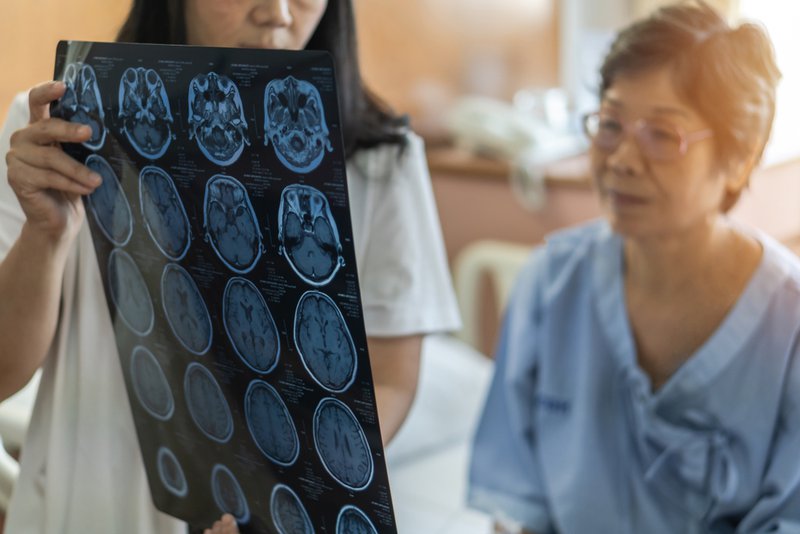
Traumatic brain injuries initiate complex processes that increase long-term vulnerability to cognitive decline and dementia risk. Moderate to severe TBIs are associated with a two‑ to four‑fold higher likelihood of developing memory and executive function deficits. Understanding brain injury and dementia helps families recognize the importance of early interventions and structured rehabilitation programs.
The frequency and severity of head injuries often determine long-term outcomes and the development of chronic pain in many individuals. Repeated or severe TBIs can trigger inflammation, neuronal damage, and abnormal protein accumulation in the brain. Addressing traumatic brain injury symptoms and long-term effects requires a comprehensive medical evaluation and ongoing support from healthcare professionals.
Age and pre-existing health conditions influence how injuries manifest and progress over time. Younger adults may experience delayed cognitive changes, whereas older adults often display accelerated memory decline. Follow-up care after traumatic brain injury is crucial for detecting subtle deficits before functional decline becomes irreversible.
Preventive and rehabilitative strategies are most effective when applied immediately and consistently after injury. Cognitive exercises, physical rehabilitation, and emotional support help maintain brain function and overall quality of life. Combining these approaches ensures that individuals living with brain injury and dementia achieve the best possible long-term outcomes.
Overview of Brain Injuries and Their Long-Term Effects
Brain injuries vary widely; each type of concussion, contusion, or diffuse axonal injury affects the brain differently. Even mild injuries can disrupt communication between regions, affecting memory and processing speed. Over time, these changes may cause difficulties with learning, problem-solving, and multitasking, increasing the risk of brain injury and dementia.
Many patients experience hidden symptoms, such as sensory changes, fatigue, or reduced attention. Emotional issues, including irritability and mood swings, can appear months or years later and impact daily life and independence. Recognizing these subtle effects allows caregivers to create structured routines that reduce confusion and frustration.
Recovery paths differ, with some individuals regaining full cognitive function while others continue to face challenges. Rehabilitation programs that combine physical activity, mental exercises, and social engagement support brain recovery. Environmental adaptations, including simplified spaces, consistent cues, and adaptive tools, also reduce cognitive load and prevent accidents, helping seniors maintain safety and independence.
Families can further support recovery with memory aids, calendars, or digital reminders to reduce strain. Multisensory stimulation, such as music or aromatherapy, complements cognitive exercises and improves mood and engagement. Small, achievable daily cognitive goals help seniors feel successful while tracking progress and highlighting areas needing attention. Purposeful activities strengthen both cognitive and emotional resilience, supporting overall quality of life.
Early Signs of Cognitive Decline After Brain Injury
Early identification of cognitive decline is essential to preserve independence and maintain overall quality of life. Symptoms often appear subtly, affecting memory retrieval, attention, and executive functioning in everyday routines. Families and caregivers should remain observant for unusual patterns or difficulties that may indicate emerging cognitive concerns.
Below is a numbered list of early signs of cognitive decline after brain injury:
- Increasing reliance on reminders for daily tasks indicates difficulty retaining routine information.
- Challenges in planning, organizing, or sequencing activities that were previously manageable.
- Emotional changes such as irritability, anxiety, or apathy can impact social interactions.
- Reduced social engagement or withdrawal from previously enjoyed activities or hobbies.
- Minor lapses in judgment or decision-making affecting finances, medication, or safety.
- Difficulty recalling recent events or conversations, showing early memory retrieval issues.
- Struggling to follow multi-step instructions or complete complex tasks efficiently.
- Changes in mood regulation, including frustration, anxiety, or irritability over minor challenges.
Monitoring these signs allows caregivers and healthcare professionals to intervene early and implement effective therapies, such as daily routines, cognitive exercises, and mental stimulation, which support neural pathways and slow decline. Consistent observation and intervention ensure that individuals living with brain injury and dementia maintain functional independence and emotional stability.
Preventive and Rehabilitative Strategies to Protect Brain Health
Proactive strategies support cognitive resilience and reduce long-term decline after brain injuries. Addressing lifestyle factors such as diet, sleep, exercise, and stress management is essential for overall brain function. Evidence suggests that consistent interventions can slow deterioration and help prevent memory loss in individuals living with brain injury and dementia.
Below is a numbered list of preventive and rehabilitative strategies to protect brain health:
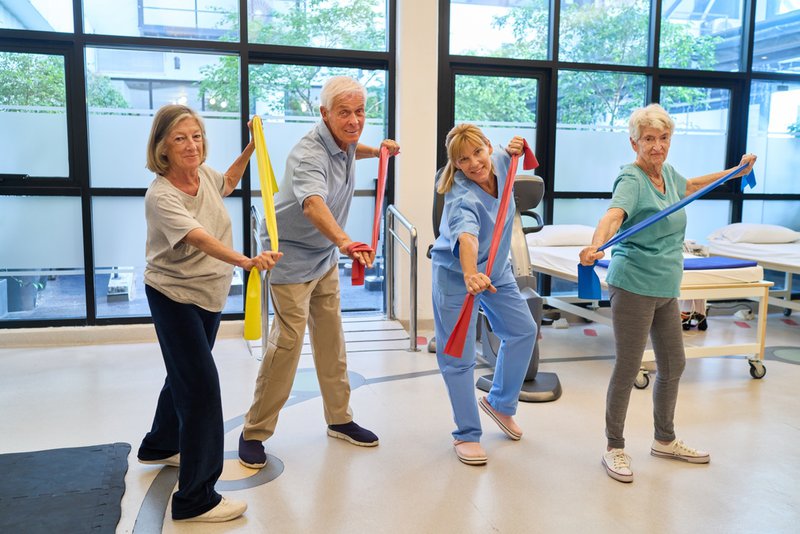
- Engage in physical rehabilitation and structured exercise programs to improve circulation, neuroplasticity, and overall cognitive function.
- Participate in cognitive and memory therapies, including speech therapy, to reinforce memory circuits and problem-solving pathways.
- Receive emotional support addressing anxiety, depression, and social engagement to strengthen resilience and emotional stability.
- Maintain safe, structured living environments with consistent routines to reduce confusion and support daily functioning.
- Ensure ongoing follow-up care to monitor progress, detect early deficits, and adjust interventions over time.
- Navigate life transitions with support, including goal-setting exercises to promote independence and self-confidence.
- Incorporate creative therapies, such as music, art, and reminiscence activities, to effectively stimulate memory pathways.
- Implement dietary and sleep interventions to promote neuronal repair, memory consolidation, and long-term cognitive stability.
- Use technology tools, including cognitive apps and wearable monitors, to detect early changes and guide interventions.
- Engage in mindfulness, meditation, and stress-reduction techniques to consistently lower inflammation and support brain health.
Combining these strategies helps maximize cognitive function, emotional well-being, and overall quality of life. Personalized plans that integrate physical, cognitive, and emotional care improve long-term outcomes. By addressing memory loss proactively, individuals living with brain injury and dementia can maintain independence and overall cognitive health.
Lifestyle and Daily Habits That Support Cognitive Resilience
Maintaining consistent routines, balanced nutrition, and sufficient sleep helps protect cognitive function in seniors with brain injury and dementia. Engaging in daily physical activity improves blood flow, neuroplasticity, and overall brain health. Proper hydration and a nutrient-rich diet support memory, focus, and emotional regulation over time.
Key lifestyle and daily habits include:
- Participate in structured mental exercises, such as puzzles, memory games, or problem-solving activities.
- Engage in social interactions with family, friends, or community groups to reduce isolation and anxiety.
- Incorporate creative activities such as music, art, or multisensory stimulation to reinforce cognitive pathways.
- Practice stress management techniques, including mindfulness, meditation, or deep-breathing exercises, to support emotional health.
- Schedule periods of mental rest and limit excessive screen time to maintain attention and memory capacity.
- Set achievable daily goals to foster independence, confidence, and motivation in seniors recovering from brain injury.
Consistency in these habits complements medical care, therapy, and social support for holistic cognitive protection. Families and caregivers who integrate these routines can slow decline, reinforce independence, and improve quality of life. For individuals living with brain injury and dementia, these daily practices form a strong foundation for long-term cognitive resilience.
Why Ongoing Monitoring and Support Matter for High-Risk Individuals
Continuous oversight is critical for seniors who have experienced traumatic brain injuries, as small changes in memory or behavior can appear suddenly. Families and caregivers provide essential social support, helping detect early changes that protect long-term cognitive and physical health. Timely intervention ensures safety, independence, and the maintenance of routines that support overall brain function.
Regular doctor visits, cognitive assessments, and therapy updates allow healthcare providers to identify early signs of brain injury and dementia promptly. Seniors at higher risk benefit from routine adjustments in living spaces, daily schedules, and targeted care strategies. Coordinating care with professionals provides families with a structured support system while ensuring interventions are both personalized and effective.
Preventing falls, maintaining structured routines, and using safe mobility aids reduce risks associated with cognitive or physical decline. Emotional support, engaging mental activities, and meaningful social interactions strengthen resilience and overall cognitive function. Consistent monitoring and collaboration with care providers allow seniors to retain dignity, autonomy, and a higher quality of life.
Emerging Therapies and Research in Brain Injury and Dementia
New studies show promising ways to reduce long-term memory and thinking problems after a brain injury. Methods such as brain stimulation, targeted medication, and neurofeedback help improve neural connections, supporting cognitive flexibility and recovery. Research demonstrates that combining these approaches with physical and mental rehabilitation can enhance daily function and maintain independence.
Here are some of the most promising emerging therapies and research directions:
- “EEG‑neurofeedback is used to address cognitive deficits in dementia and traumatic brain injury patients.” – EEG-Neurofeedback, 2023
- “TDCS and rTMS are safe, well-tolerated interventions post‑TBI and can improve cognitive function.” – Noninvasive Brain Stimulation, 2022
- “rTMS combined with cognitive training significantly improved MoCA, MMSE, and activities of daily living in PTBICD patients.” – Efficacy of rTMS, 2024
- “In animal models of moderate TBI, rTMS upregulated brain‑derived neurotrophic factor (BDNF), TrkB, NMDAR1, and CREB, promoting synaptic plasticity and functional recovery.” – Repetitive Transcranial Magnetic Stimulation, 2023
These approaches suggest a future in which treatment is tailored to an individual’s injury history, combining neurostimulation, neuroplasticity, and rehabilitative exercises. As these therapies mature, they could become essential tools in reducing long-term decline and preserving functional independence. For people concerned about brain injury and dementia, these research trends provide real hope for more effective, personalized interventions.
How Brain Injury and Dementia Concerns Influence Assisted-Living Choices
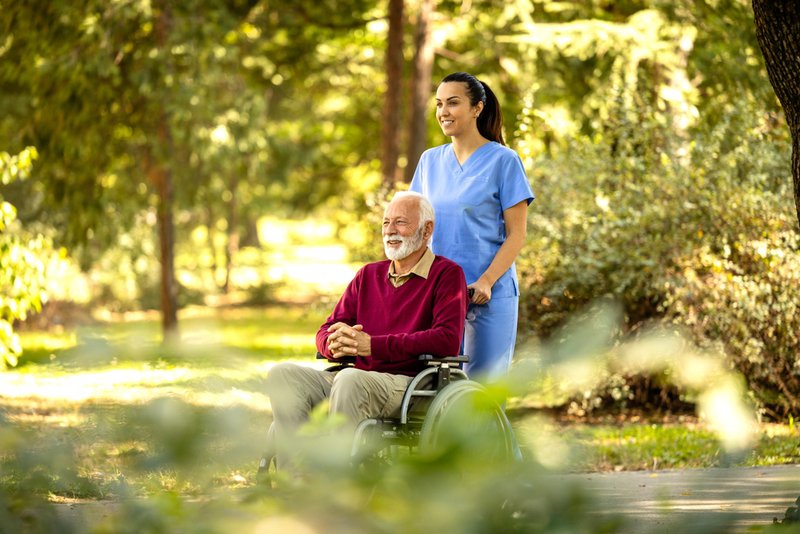
Selecting an assisted-living environment for residents with a history of brain injury requires careful evaluation and planning. The right living environment matters in brain injury rehabilitation because small, home-like settings provide individualized attention and consistent support. Programs emphasizing cognitive, physical, and emotional care help reduce risks associated with brain injury and dementia while promoting overall wellness.
Therapies such as music, reminiscence, and speech support are essential for reinforcing memory, attention, and executive functioning in residents. Adaptive living spaces, structured daily schedules, and personalized care plans allow seniors to maintain independence safely and confidently. Ongoing engagement with trained staff ensures early detection of subtle changes in behavior or cognition, preventing further decline.
Residents benefit from combining physical activity, mental stimulation, and social interaction to strengthen cognitive pathways and emotional resilience. Structured routines reinforce memory and problem-solving skills while minimizing confusion and disorientation for seniors. Communities that integrate these strategies offer families reassurance and provide residents with improved quality of life and long-term outcomes.
Supporting Long-Term Brain Health With Compassionate Care
Understanding the connection between prior brain injury and dementia empowers families to take steps that can improve long-term cognitive health. Seniors with a history of traumatic brain injury face higher risks of memory loss and cognitive decline. Yet, early interventions, including structured rehabilitation, mental stimulation, and lifestyle adjustments, can help preserve memory, independence, and well-being. With the proper guidance and consistent support, families can make meaningful differences in their loved ones’ daily lives and future health.
For families seeking programs for residents with a history of brain injury, Assured Senior Living offers compassionate memory care, structured therapies, and personalized support. Programs combine cognitive exercises, social engagement, and safety-focused routines within a home-like environment. Our dedicated team ensures every resident receives attentive care that nurtures both mind and spirit, fostering confidence and comfort each day.
Visit us today at Assured Senior Living to learn how our communities prioritize brain health, cognitive engagement, and daily safety for your loved one.