Adjusting their physical responses, alleviating the situation, taking appropriate action, recognizing the need, and providing crucial help. Practicing calming exercises, such as biofeedback therapy, is gaining attention as a non-invasive, evidence-based option to support seniors facing chronic pain, anxiety, and emotional dysregulation. By helping older adults build awareness of their physiological responses, this technique empowers them to regain control over symptoms that might otherwise feel overwhelming.
For seniors living with cognitive or physical challenges, biofeedback therapy offers a way to manage discomfort without relying solely on medication. Its applications in senior care are expanding, especially for those with complex neurological, emotional, or sensory needs. As aging populations grow, so does the need for effective, low-risk therapies that promote calm, reduce distress, and support quality of life.
Understanding Biofeedback Therapy in a Senior Setting
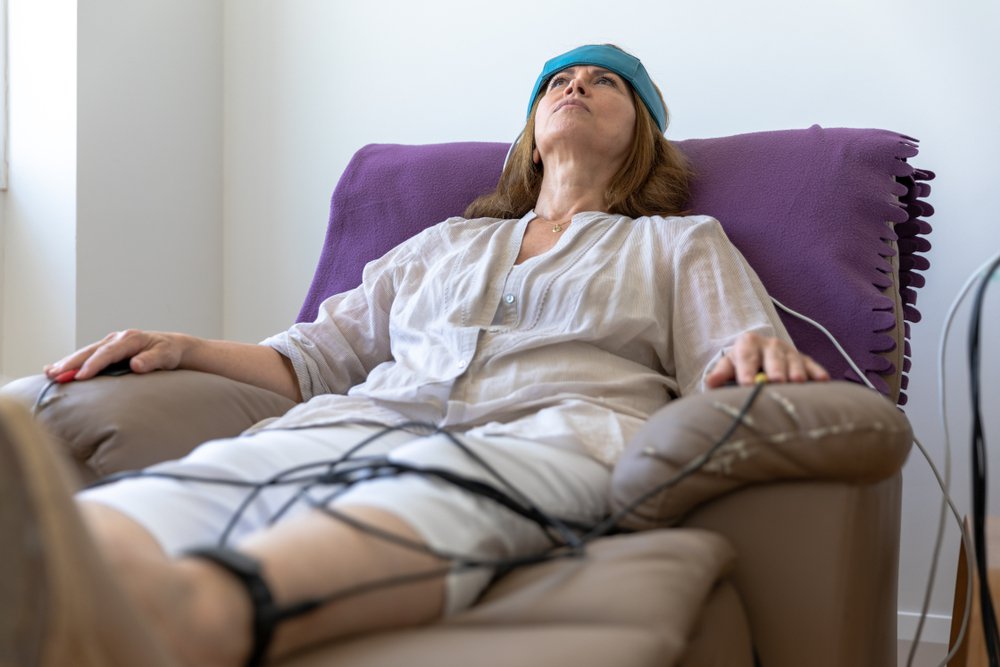
Biofeedback therapy uses real-time data to teach individuals how to regulate bodily functions that are typically automatic. Through sensors placed on the skin, individuals can monitor responses like heart rate, breathing, muscle tension, and skin temperature. A therapist then guides the person in adjusting those responses using relaxation, visualization, or breathing exercises.

Care teams often use this form of therapy to help older adults manage anxiety, chronic pain, high blood pressure, and tension-related issues. Its interactive and adaptable nature keeps seniors actively engaged in their care. Providers also combine biofeedback with traditional treatments to reduce the need for additional medications that could cause unwanted side effects or interactions.
According to the National Institutes of Health, biofeedback has shown measurable success in lowering stress-related symptoms, making it a promising tool in senior health management. It is not a cure, but rather a skill-building process that encourages self-regulation and long-term well-being.
Managing Chronic Pain with Biofeedback Therapy
Chronic pain affects up to 50% of older adults living in community settings and even more in assisted living environments (CDC). For some, pain becomes a daily barrier to independence and mood regulation. Biofeedback therapy provides seniors with an opportunity to reduce their discomfort through trained, intentional techniques actively.
The therapy works by helping seniors notice patterns in how their bodies respond to stress or strain. Over time, they can learn to reduce muscle tension, calm their breathing, or ease nerve-related pain by changing how they physically react. This approach not only alleviates symptoms but also increases a senior’s sense of control over their body.
In some instances, especially after brain injury or cognitive decline, traditional medications alone may not be enough to manage pain effectively.
Addressing Anxiety and Emotional Regulation in Older Adults
Anxiety in seniors often appears differently than in younger populations. Instead of racing thoughts or panic attacks, it may show up as restlessness, irritability, trouble sleeping, or avoidance of daily routines. Biofeedback therapy can reduce the frequency and intensity of these symptoms by retraining the body’s stress response.
Using breathing cues, guided imagery, and gentle physical awareness exercises, seniors learn to detect early signs of anxiety and intervene. This skill is especially valuable for older adults dealing with post-stroke trauma, early dementia, or other neurological changes. It also supports better emotional regulation during daily transitions, like mealtimes or bedtime.
Biofeedback is often used in combination with other therapeutic tools, including occupational therapy and sensory integration. As part of a larger care approach, it reinforces the importance of personalized, non-pharmaceutical anxiety management.
Supporting Cognitive Engagement and Sleep Quality
Seniors with memory challenges or mild cognitive impairment may benefit from biofeedback therapy as a form of structured stimulation. Although it is not a cognitive therapy in itself, it encourages mental engagement, self-awareness, and present-moment focus. These elements are critical in helping older adults maintain daily function and emotional stability.
For those who struggle with insomnia or nighttime confusion, biofeedback techniques can support improved rest. Calming exercises practiced before bedtime help prepare the body for sleep and regulate circadian rhythms. A consistent routine that includes stress-reducing activities has been shown to reduce overnight disruptions and improve overall sleep hygiene.

Approximately 50% of adults aged 65 and older report sleep complaints, especially difficulty falling or staying asleep, according to findings cited by the National Library of Medicine. These disruptions are linked to cognitive decline, reduced quality of life, and impaired daily functioning. Non-drug options like biofeedback therapy support safer, individualized care by aligning with recommended non-pharmacological approaches to sleep management in older adults.
Integrating Biofeedback Therapy into Holistic Senior Care
Holistic care means treating the whole person, not just the condition. In assisted living settings, integrating biofeedback therapy into the care plan provides another layer of support for residents with emotional, cognitive, or sensory challenges. It pairs well with therapies that enhance communication, motor coordination, and self-soothing skills.
Occupational and physical therapists may use biofeedback tools to support balance training or fine motor rehabilitation. Meanwhile, memory care programs can use it to reduce agitation or enhance focus in residents with dementia. While not offered in every community, biofeedback is increasingly considered as part of a multidisciplinary toolkit.
Communities that prioritize person-centered care stay informed on emerging therapies and often coordinate with external providers. This includes exploring non-invasive options like biofeedback when traditional treatments no longer meet the resident’s full range of needs.
Bringing Relief Within Reach
Biofeedback therapy is not a cure-all, but it opens new possibilities for older adults managing anxiety, pain, or cognitive changes. By encouraging self-awareness and emotional regulation, it complements the broader goal of maintaining independence and dignity in aging.
Providers who prioritize non-invasive therapies are better equipped to support residents with complex physical and emotional needs. At Assured Senior Living, we stay informed on evidence-based options and coordinate with trusted partners when biofeedback therapy may enhance a resident’s well-being. Want to learn how we take a holistic approach to wellness? Visit our services page to explore more.