
Spending time in outdoor gardens can bring calm, clarity, and gentle activity for older adults. Outdoor gardens provide fresh air, natural light, and a peaceful setting that supports movement and sensory engagement. As a result, families often feel reassured knowing there is a safe, nurturing space where loved ones can relax, stroll, or enjoy the outdoors.
Additionally, time in nature supports both physical and emotional health. Engaging with plants and greenery encourages light exercise, sensory stimulation, and social connection, all of which contribute to a higher quality of life for seniors. Therefore, incorporating garden spaces into daily routines can enhance both independence and overall well-being.
What Makes Outdoor Gardens Especially Helpful for Older Adults?
Gardens provide safe and inviting outdoor spaces that encourage gentle movement and sensory engagement. Walking along simple paths, sitting among plants, or enjoying a breeze under the trees allows older adults to move comfortably and relax. These activities can help reduce stress, support emotional well-being, and promote a sense of calm.
How Outdoor Gardens Support Physical Mobility
Gardening and spending time in outdoor gardens encourages gentle activity that benefits seniors’ strength, flexibility, and endurance. Light walking along paths, reaching for plants, or watering flowers all stimulate cardiovascular health and improve physical coordination. Consequently, regular participants often experience improved balance and greater overall confidence in their mobility.
Moreover, everyday tasks in outdoor gardens preserve fine motor skills and hand-eye coordination. Handling watering cans, touching leaves, and arranging pots engage the hands in meaningful, therapeutic movements. Even light gardening can promote functional fitness and support independence.
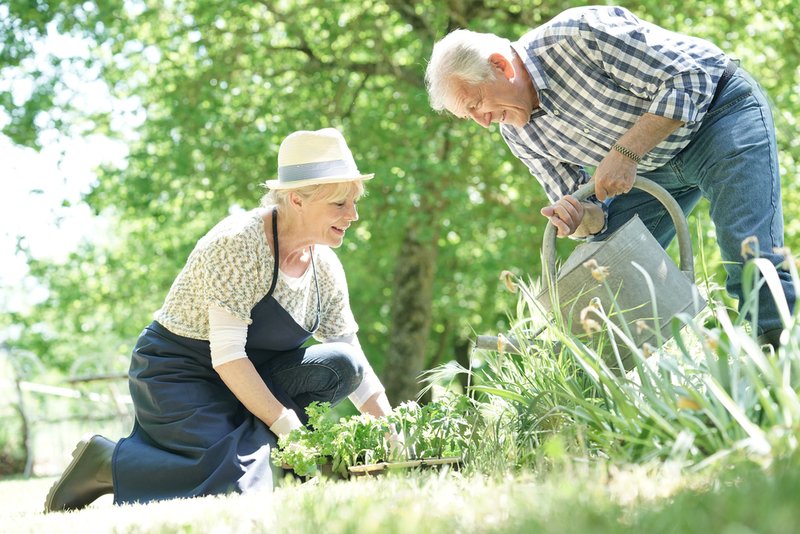
Exposure to sunlight during garden activities supports bone health by increasing natural vitamin D production. When combined with gentle movements, it effectively strengthens muscles and contributes to overall physical well-being. Therefore, residents benefit from improved stamina and resilience through simple, consistent outdoor engagement.
Furthermore, outdoor gardens create a natural, enjoyable setting that makes physical activity feel effortless and routine. Residents can incorporate short walks or stretches into their day without feeling pressured to exercise. Over time, this encourages consistency and helps maintain healthy, active lifestyles.
How Outdoor Gardens Enhance Emotional and Mental Well-Being?
Spending time among plants and flowers provides residents with natural stress relief and mood improvement. The scents, textures, and colors in outdoor gardens offer sensory stimulation that supports emotional balance daily. Horticultural therapy in older adults has been linked to reductions in anxiety and depressive symptoms.
Residents experiencing memory challenges benefit from gentle cognitive engagement offered in outdoor gardens. Engaging with familiar natural elements can reinforce orientation and provide comforting, predictable routines throughout the day. These experiences contribute to emotional stability, calmness, and a sense of familiarity within safe spaces.
Natural settings often evoke positive memories, encouraging residents to be mindful and present in the moment. Being outdoors in sensory-rich environments enhances relaxation and provides grounding, effectively reducing agitation and worry. Consequently, residents feel more connected to their surroundings and experience greater well-being.
Moreover, social opportunities in outdoor gardens foster a sense of belonging and shared purpose among residents. Group interactions during casual strolls or nature-based activities create meaningful connections and reduce isolation. These shared experiences consistently enhance both emotional health and community cohesion.
What Features Make a Garden Safe and Accessible for Seniors?
Designing outdoor gardens for older adults requires consistent attention to safety, comfort, and accessibility. Paths should be wide, even, and constructed with non-slip materials that allow safe navigation with walkers or wheelchairs. In particular, even minor obstacles on walkways can increase the risk of falls among older adults.
Several key features ensure outdoor gardens remain safe, accessible, and engaging for all residents. These can be summarized as follows:
- Raised garden beds or container gardens – These adaptations allow planting and watering without bending excessively, making gardening accessible to those with limited mobility. Raised garden beds and container gardens make planting and watering easier for seniors with limited mobility.
- Even and wide pathways – Non-slip surfaces and clear paths reduce tripping hazards while supporting safe movement for walkers or wheelchairs.
- Sensory-friendly elements – Fragrant flowers, textured plants, and contrasting colors provide engagement while supporting emotional and cognitive stimulation.
- Auditory features – Gentle water elements or wind chimes add calming sounds to enhance relaxation and sensory enjoyment.
Routine maintenance and clear garden layouts further ensure safe and consistent use for residents daily. Properly maintained garden spaces with accessible walkways support regular engagement and reduce the risk of injury. Regular maintenance promotes residents' confidence and encourages frequent engagement in outdoor activities.
By integrating these features thoughtfully, outdoor gardens remain accessible, enjoyable, and supportive of residents’ physical health. These spaces also provide meaningful opportunities for emotional well-being and daily engagement. Residents gain independence while safely exploring areas designed to minimize risks effectively.
How Outdoor Gardens Foster Social Connection and Community?
Outdoor gardens encourage meaningful interactions between residents, staff, and visiting family members consistently throughout the day. Shared gardening tasks or casual conversations while enjoying the outdoors create natural opportunities for social engagement. Small, community-based environments allow staff to know residents personally and respond to their individual needs.
Group activities, such as planting flowers or arranging pots, create shared experiences that bring residents together meaningfully. Participating in collaborative tasks supports emotional health and strengthens community bonds naturally over time. These social connections reinforce a sense of belonging, reduce loneliness, and foster a sense of shared purpose among residents.
Family visits feel more engaging and relaxed when enjoyed in outdoor gardens together. Short walks, conversations, or simply enjoying sunshine on a bench create cherished memories and stronger relationships. Outdoor gardens also encourage intergenerational connections, making visits from grandchildren or younger relatives more enriching and enjoyable.
Additionally, residents often benefit from the informal social interactions that naturally occur in these welcoming outdoor spaces. Interaction in nature provides both emotional and cognitive stimulation while creating opportunities for residents to build lasting friendships. Overall, these community-based experiences consistently strengthen residents’ well-being and quality of life.
Sensory Engagement: How Outdoor Gardens Enrich Everyday Life
Outdoor gardens provide residents with multi-sensory experiences that enhance daily routines and overall engagement. Visual stimulation from colorful flowers, greenery, and seasonal changes engages residents while encouraging observation and curiosity. Observing plant growth and changes fosters joy, awareness, and a comforting sense of rhythm in their day.
Pleasant aromas from flowers and herbs, combined with gentle breezes and subtle natural sounds, enrich sensory experiences. Touching leaves, petals, or smooth stones provides grounding activities that engage both motor skills and emotional comfort. These interactions support residents’ well-being, reduce stress, and encourage consistent outdoor participation naturally.
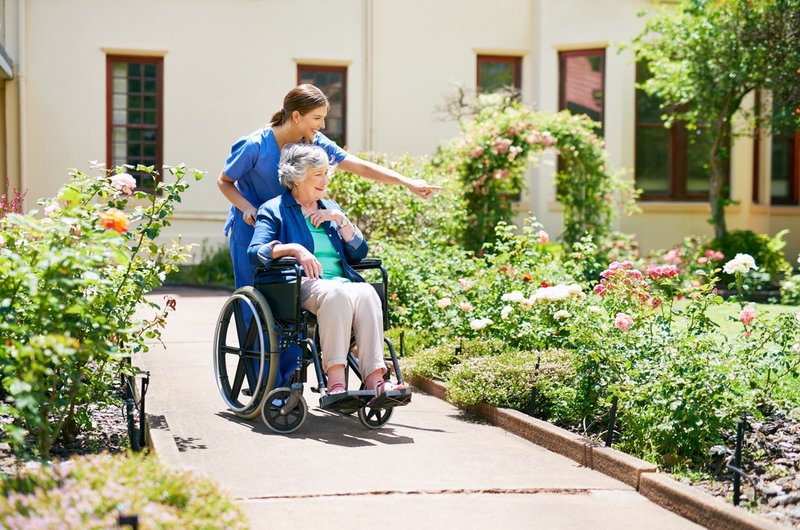
Ultimately, outdoor gardens create calm, reflective environments where residents can engage multiple senses daily. These sensory experiences promote emotional balance, enhance cognitive awareness, and encourage gentle physical activity. Residents benefit from both comfort and stimulation, making outdoor gardens valuable therapeutic spaces in daily life.
Making Garden Visits Part of Daily Routine
Encouraging short, regular visits to outdoor gardens consistently brings cumulative benefits to residents’ physical and emotional well-being. Morning strolls, afternoon seating, or evening walks become comforting routines that enhance mood and daily engagement. When paired with light activities, outdoor garden time contributes to purposeful, enjoyable experiences throughout the day.
Garden visits can complement other activities, such as reading, stretching, or quiet conversation outdoors. Combining sensory, physical, and social engagement helps ensure that residents remain naturally active and mentally stimulated each day. Consequently, these routines create predictability, comfort, and enjoyment in residents’ daily schedules consistently over time.
Flexibility in outdoor garden participation allows residents to comfortably choose between quiet reflection and interactive activities. Offering options ensures every resident can benefit from the gardens according to their personal preference. This approach effectively encourages consistent engagement, independence, and improved quality of life for all participants.
Nurturing Comfort and Connection Through Nature
Outdoor gardens provide seniors with meaningful opportunities for movement, sensory engagement, and social connection. Gentle physical activity supports mobility and overall health, while the sensory and social benefits nurture emotional well-being. Therefore, gardens create welcoming spaces that feel like home rather than a facility.
Assured Senior Living integrates outdoor gardens throughout its Colorado communities to enhance residents’ daily experiences. Families can explore how these spaces support comfort, dignity, and connection. Reach out when you are ready to learn more about how gardens enrich daily life: Contact Us.