Maintaining both physical and emotional well-being is essential for residents and caregivers in assisted living communities. Effective stress relief routines incorporated into daily life can lower anxiety, improve mood, and create a more harmonious environment. When practiced consistently, simple strategies can significantly enhance overall health and quality of life for everyone involved.
Caregivers often face challenges supporting residents, which can lead to stress and burnout if not managed effectively. Residents may also experience anxiety or restlessness, especially those with memory impairments. Implementing daily practices that encourage calm and resilience benefits the entire community, making routines smoother and interactions more positive.
How Can Stress Relief Improve Daily Life for Residents and Caregivers?
Stress-relief methods help residents and caregivers maintain better moods, focus, and overall well-being. Mindful routines reduce emotional fatigue and create a more relaxed environment. When support is consistent, daily activities become smoother, and interactions feel more positive.
What Relaxation Techniques Reduce Tension and Promote Stress Relief?
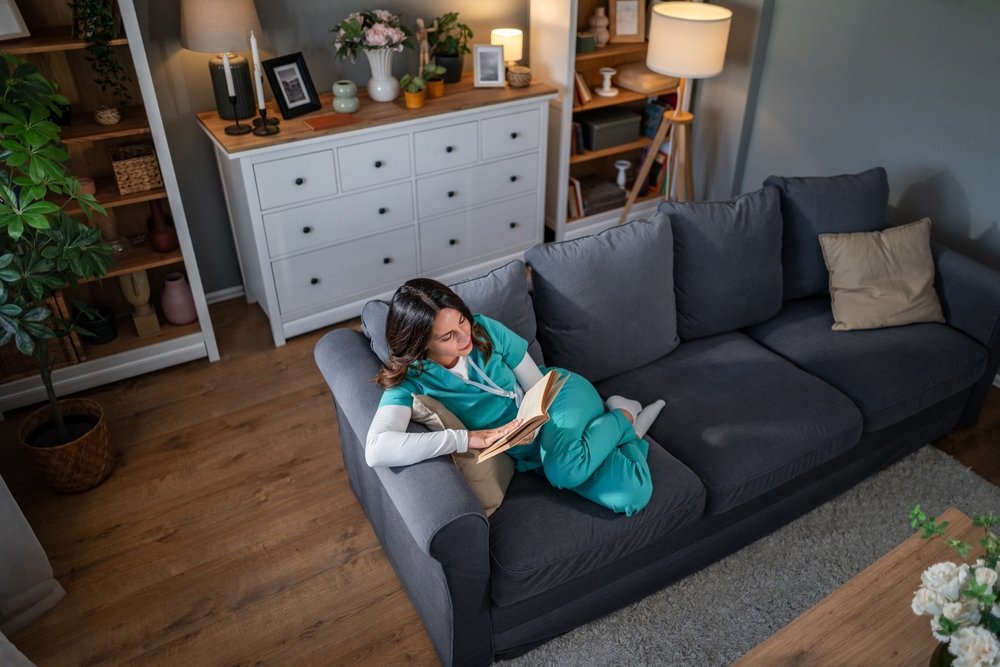
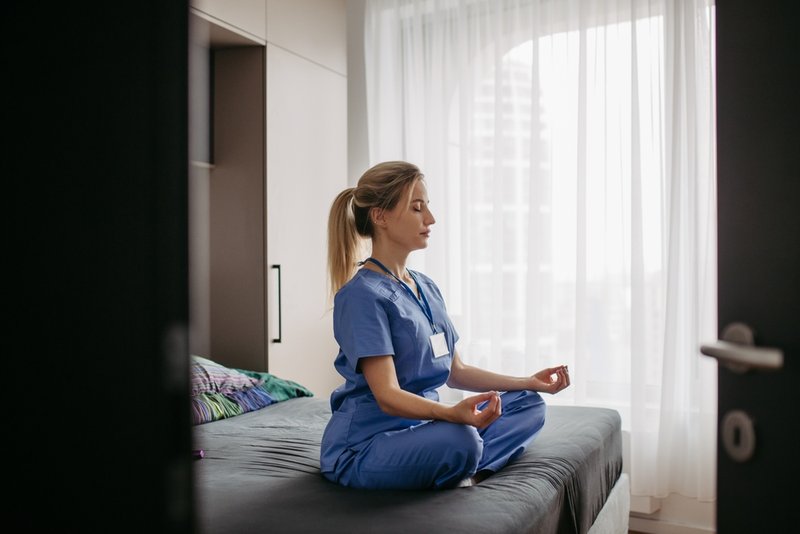
Relaxation techniques help residents and caregivers reduce daily stress and consistently promote physical and emotional well-being. Activities like deep breathing, gentle stretching, and quiet reflection effectively help lower tension throughout both the body and the mind. Residents experience the most significant benefit when caregivers consistently model and encourage these calming routines during daily interactions.
Gentle music and soothing environments also support relaxation and elevate mood for both residents and caregivers throughout the day. Sensory elements can reduce agitation for residents while creating comforting surroundings that foster calm and focus. Incorporating short breaks during routine activities allows individuals to reset their energy and improve concentration.

Stretching and light movement relieve muscle tension accumulated from sitting or repetitive tasks throughout the day. These exercises improve circulation, flexibility, and overall comfort for participants of all abilities. Both residents and caregivers often notice enhanced energy and reduced fatigue after consistent practice.
Consistency ensures relaxation techniques become an integrated part of daily life for everyone in the community. Encouraging participation while respecting personal preferences increases engagement and willingness to join activities. Over time, these practices create a balanced and peaceful environment for stress relief for all involved.
Meditation, Gentle Exercise, and Sensory Activities for Stress Relief
Meditation and gentle exercise improve focus, emotional stability, and overall mood while supporting cognitive well-being in older adults. Even brief mindfulness sessions can effectively enhance mental clarity and reduce stress throughout daily routines. Combining meditation with light stretching or chair yoga consistently enhances both physical and psychological benefits for participants.
Sensory activities such as music, tactile textures, or aromatherapy help residents remain present and reduce anxiety. Effectively engaging the senses can create comforting stimulation that enhances overall mood throughout daily routines. Caregivers can integrate these activities naturally into their workflow without creating additional stress or interruptions.
Regular movement improves cardiovascular health, balance, and sleep, while also supporting participants' cognitive and emotional well-being. Exercises can be modified to individual abilities, ensuring safety and comfort while maximizing health benefits. Residents who consistently participate often show higher engagement, improved mood, and increased satisfaction with daily activities.
Integrating meditation, exercise, and sensory experiences establishes a holistic stress-relief routine that benefits both residents and caregivers. Each component supports emotional, cognitive, and physical health simultaneously over time. This combined approach effectively strengthens resilience and enhances overall community wellness.
How Does Social Support Strengthen Resilience for Residents and Caregivers?
Strong social connections play a crucial role in reducing stress and promoting well-being across the assisted living community. Residents benefit from friendships, shared activities, and meaningful interactions that increase feelings of security and engagement. Maintaining consistent social connections reduces isolation and enhances participants' overall happiness and emotional stability.
Caregivers also experience improved resilience when supported by supervisors, colleagues, and peers throughout their workday. Open communication, teamwork, and encouragement help prevent burnout and support professional growth. Teams that collaborate effectively manage challenging situations more calmly and with greater confidence.
Structured group activities such as art projects, gardening, or discussion circles provide residents with purposeful engagement. Participation in these activities encourages relaxation and strengthens social bonds within the community. Caregivers observe that these shared experiences reduce tension while enhancing overall relationships and communication.
Family involvement adds another layer of emotional support and reassurance for residents. Regular visits and participation in community events foster a sense of security and familiarity. Together, these social support networks improve overall well-being for residents and caregivers alike.
What Personalized Routines Help Manage Daily Stress?
Personalized routines reduce anxiety, provide residents with structure, and promote emotional stability and comfort throughout the day. Tailoring activities to individual preferences ensures residents consistently feel respected, secure, and supported. Caregivers benefit from predictable schedules that improve workflow efficiency and daily interactions across the community.
- Morning mindfulness – Short guided sessions start the day calmly and establish emotional balance.
- Gentle physical activity – Chair yoga or stretching promotes relaxation and relieves physical tension.
- Sensory engagement – Music, aromatherapy, or tactile crafts help residents regulate mood effectively.
- Social interaction – Group activities encourage connection, emotional expression, and meaningful engagement.
- Evening wind-down – Quiet reflection or calming activities support restful and restorative sleep.
Maintaining consistent routines reduces confusion, especially for residents experiencing memory challenges or cognitive decline. Predictable schedules allow caregivers to operate efficiently while providing attentive, personalized support. Adjusting routines to individual needs ensures every resident feels valued, secure, and engaged throughout the day.
Implementing Wellness Strategies for a Harmonious Care Environment
Intentional wellness strategies promote a balanced, calm environment that reduces stress for residents and caregivers alike. Structured routines, sensory support, and thoughtfully designed spaces create a sense of safety and comfort throughout the community. Residents feel reassured when their surroundings are predictable, well-organized, and supportive of daily needs.
Organized staff workflows contribute to a calm atmosphere and prevent unnecessary tension during caregiving tasks. Clear communication, consistent practices, and collaborative teamwork allow caregivers to provide attentive, compassionate care. When caregivers feel supported, they can respond more effectively to resident needs while maintaining personal well-being.
Thoughtful environmental design, including natural light, plants, and quiet areas, enhances physical and mental wellness. Sensory-friendly adjustments support residents with cognitive or emotional sensitivities while encouraging independence. These wellness strategies effectively improve both individual health outcomes and overall community harmony.
Over time, integrating holistic wellness approaches strengthens resilience and promotes positive experiences for everyone. Residents feel secure, caregivers operate with confidence, and stress relief becomes a natural part of daily life. Communities experience improved mood, engagement, and overall satisfaction as a result of these strategies.
Supporting Well-Being Through Stress Relief Practices
Integrating stress relief practices strengthens emotional stability, resilience, and overall health. Mindfulness, gentle exercise, social support, and personalized routines work together to create a holistic wellness environment. Families notice improved mood, engagement, and comfort when stress is managed effectively.
At Assured Senior Living, stress relief routines are carefully designed to support both residents and caregivers.Our Colorado communities focus on home-style comfort, high staff-to-resident ratios, and individualized care plans.Reach out to our team to learn more about wellness practices that create a calm, supportive environment for your family.