

The transition into senior living can often feel overwhelming, marking a significant change from one's established life and previous routines. Intentional design and operational practices are essential for cultivating a genuinely comforting residential environment and creating a home-like atmosphere of emotional comfort, familiarity, and a vital sense of belonging for every resident.
Familiar surroundings enable residents to relax more easily and fully maintain their essential personal autonomy and independence. Consistent daily routines and personal touches create vital stability, necessary for mental health, comfort, and safety. Supportive environments and thoughtful design elements profoundly influence how genuinely at home and secure someone feels daily.
How Does a Home‑Like Atmosphere in Senior Communities Work?
A home-like atmosphere helps residents feel secure, valued, and comfortable in their living environment. Personal touches, predictable routines, and thoughtfully designed spaces reduce stress and enhance daily satisfaction. Creating this environment encourages both independence and meaningful social connections from the very first day.
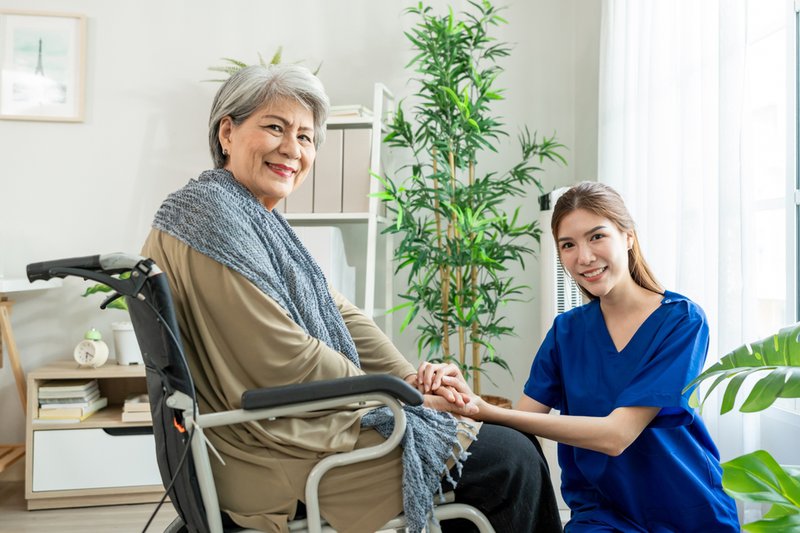
What Does It Mean to Create a Home‑Like Atmosphere?
Creating a true home involves more than decorating with soft colors or cozy furniture alone. It importantly includes personalized spaces, predictable routines, and supportive design features. These elements work to provide emotional security, vital independence, and necessary comfort.
The approach prioritizes individualized spaces that reflect the resident's identity and personal history. Studies confirm this concept supports mental health, reduces stress, and enhances quality of life—a genuine home-like atmosphere by warmth, consistency, and a sense of deep individualization.
Smaller, intimate residential care homes help residents feel grounded and connected to their surroundings. Research confirms that homelike settings improve residents' physical health, enhance social engagement, and decrease depressive symptoms. These settings foster ownership and belonging, benefits that large, institutional facilities cannot fully provide.
Research shows that environments that support resident autonomy are directly linked to higher satisfaction. Creating this welcoming setting requires careful attention to both design and daily caregiving practices. The result is a secure and familiar setting where residents experience an authentic home-like atmosphere.
Familiar Surroundings Support a Home‑Like Atmosphere for Homelike Ours?
Residents feel more comfortable when their environment includes familiar furniture and established visual cues. A safe, hazard-free environment is essential for fostering residents' security and emotional well-being in their daily lives. Research indicates that small, home-like settings use both physical restraints and psychotropic drugs.
For seniors with dementia, these smaller settings promote significantly more social engagement and less non-aggressive behavior. Visual cues and consistent layouts minimize confusion and distress for vulnerable individuals. Personalized items and clear routines strongly reinforce the essential sense of security and belonging with caregivers.
Daily routines strengthened by surroundings enhance the resident's essential emotional stability and overall well-being. Staff support continuity by maintaining predictable caregiving patterns to ensure residents' comfort and peace of mind. Thoughtful design and comforting familiarity together create the ideal home-like atmosphere that personalizes senior living.
Why Do Warm Design Elements Promote Comfort and Peace?
The transition to senior living is often eased by surrounding residents with comforting, familiar elements. Intentional use of architecture and décor cultivates a welcoming, stable environment that feels deeply personalized. This focus is key to creating the desirable home-like atmosphere for emotional security and peace.
Warm, personalized design choices promote comfort and peace through several essential principles:
- Soothing Sensory Input: Soft lighting, natural materials, and lush plants signal immediate care, creating a tranquil, visually restful environment.
- Increased Social Flow: Open layouts, sunlit rooms, and welcoming lounges intentionally promote socialization and resident autonomy.
- Reduced Environmental Stress: Evidence shows these design choices measurably reduce anxiety and improve engagement in meaningful daily activities.
- Enhanced Personal Identity: Meaningful personal items, soft textiles, and familiar decorations validate the resident's past experiences.
- Personalized Staff Response: Smaller-scale settings allow staff to respond more personally and sensitively to individual resident needs and preferences.
Ultimately, thoughtful design helps residents feel valued and at ease, and offers excellent comfort and convenience. By encouraging interaction and positive experiences, warm elements foster essential emotional stability and social connection. This comprehensive focus ensures the community truly achieves the sought-after home-like atmosphere and total resident well-being.
How Do Daily Routines and Personalized Spaces Build Stability and Belonging?
Moving into a residential community necessitates adapting to new people, surroundings, and schedules. Establishing consistent, familiar patterns significantly reduces this adjustment difficulty and minimizes stress for every resident. This focus is fundamental in cultivating the desired home-like atmosphere, which supports security and well-being.
Daily routines and personalized spaces are crucial elements that build stability and belonging by:
- Establishing Control and Safety: Predictable routines for meals, activities, and rest give residents an empowering sense of control and safety. (15 words)
- Fostering Caregiver Trust: Consistent schedules allow staff to recognize personal preferences and adapt care accordingly, building trust. (15 words)
- Reinforcing Personal Identity: Residents who decorate their spaces with cherished items feel recognized and valued within the community. (15 words)
- Creating Memory Cues: Displaying familiar photos, keepsakes, or favorite artwork actively strengthens memory and cognitive anchors. (14 words)
- Encouraging Independence: Consistent routines and accessible, thoughtfully arranged furniture promote greater participation and independence. (14 words)
These routines and personal touches measurably improve engagement, social participation, and emotional well-being. Consistency and deep personalization reinforce the residents' vital sense of security and belonging in their new home. This focus ensures the community truly achieves the essential home-like atmosphere, lasting satisfaction, and peace.
How Does a Home‑Like Atmosphere Affect Overall Happiness?
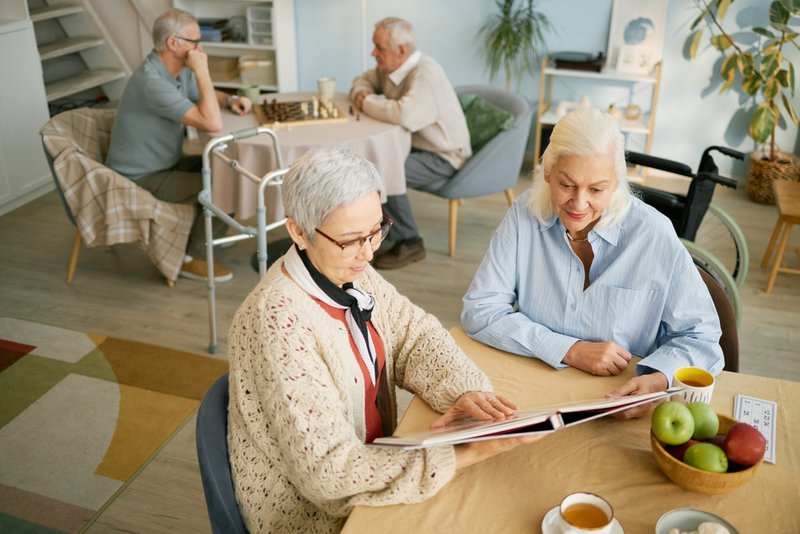
A nurturing environment positively impacts residents' emotional well-being by fostering safety and a sense of familiarity. Small communities encourage social interaction, engaging activities, and a stronger sense of purpose in daily life. Residents consistently report greater contentment and significantly less loneliness in this setting.
Communal areas support shared daily experiences, such as meals, games, or engaging hobbies, among peers. Participation strengthens essential relationships among residents and supportive staff members, fostering trust and security. Overall engagement contributes to a sense of genuine fulfillment, encouraging residents to feel rooted and valued.
A truly comforting environment also effectively improves seniors' cognitive and emotional health outcomes. Residents experience better moods, leading to greater participation in daily life programs. Design, personalization, and routines create the desired home-like atmosphere where residents can truly thrive.
Why a Home‑Like Atmosphere Affects Seniors' Well-Being
A home-like atmosphere promotes emotional health, supports identity, and fosters meaningful relationships. Personalized spaces, predictable routines, and warm design create environments where residents feel safe and valued.
Residential-scale living and attentive care further enhance engagement and trust. When a care community feels like home, seniors experience improved mood, stronger social connections, and greater peace. To explore how Assured Senior Living creates these warm, inviting spaces, talk to us today.