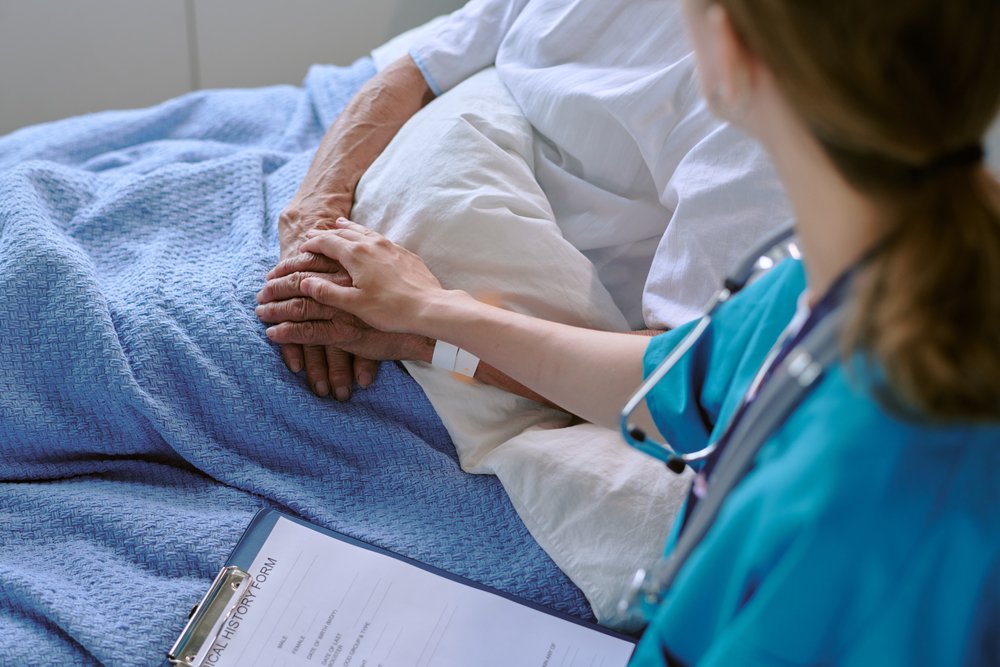
Palliative nursing focuses on providing comfort, support, and relief for residents with serious illnesses. Additionally, palliative nursing combines professional expertise with empathy to address suffering effectively throughout each day. Consequently, families gain reassurance knowing that loved ones consistently receive compassionate care with dignity and respect.
Emotional and physical needs are addressed simultaneously to improve residents’ overall well-being reliably every day. Personalized strategies help individuals maintain quality of life during challenging medical conditions efficiently. Finally, nurses guide families and residents carefully, fostering understanding among caregivers, physicians, and other healthcare professionals.
Why Is Palliative Nursing Crucial for Residents’ Comfort and Well-Being?
Palliative nursing provides compassionate care, relieving pain and managing symptoms effectively every single day. Nurses address residents’ emotional, physical, and spiritual needs while carefully personalizing each care plan. Families gain reassurance knowing loved ones receive professional, dignified, and consistent support throughout care.
How Do Palliative Nurses Manage Symptoms and Relieve Pain?
Effectively, symptom management ensures residents maintain stability, safety, and comfort throughout every day. In addition, palliative nursing addresses fatigue, nausea, and pain using carefully tailored interventions consistently. Evidence-based methods combine medication with therapeutic techniques to enhance thedaily experiences of resident comfort through comprehensive palliative care practices.
Moreover, non-medication strategies include repositioning, massage, relaxation, and guided breathing to reduce discomfort naturally. Meanwhile, medications are administered in accordance with professional guidelines and ongoing symptom evaluation protocols. Home-based palliative programs improve comfort, reduce suffering, and elevate quality of life through proven clinical approaches.

Regular assessments monitor responses and refine interventions to reduce discomfort efficiently. Families gain confidence knowing care plans adjust promptly to changing resident needs. Skilled routines reinforce emotional stability while improving safety, independence, and overall security.
Collaboration with interdisciplinary teams ensures symptom management fits smoothly into treatment plans. Physicians, therapists, and caregivers communicate consistently to maintain high-quality care outcomes. Adjustments remain responsive while supporting comfort, dignity, and personalized care for every resident.
What Emotional and Spiritual Support Do Nurses Provide?
Emotional assistance helps residents manage anxiety, grief, and uncertainty through palliative nursing effectively every day. Additionally, nurses consistently encourage conversation, structured activities, and counseling to reduce stress. Families benefit from guidance while processing anticipatory grief and caregiving responsibilities with supportive hospice care approaches.
Spiritual care respects individual beliefs, offering prayer, reflection, or meditation whenever residents desire a meaningful connection. Furthermore, nurses evaluate needs, coordinate resources, and ensure residents receive personalized support continuously. Emotional and spiritual interventions strengthen resilience, encourage engagement, and enhance overall quality of life.
Open communication allows residents to express concerns, thereby reinforcing coping and emotional stability. Families develop confidence through clear explanations, fostering trust in palliative nursing practices. A skilled nursing presence effectively provides calm, security, and reassurance throughout residents’ daily routines.
Integration of emotional, spiritual, and physical strategies enhances residents’ comfort, satisfaction, and well-being. Research demonstrates that holistic approaches reduce anxiety, improve mood, and meaningfully strengthen family relationships. Care decisions reflect resident preferences while simultaneously fostering dignity, autonomy, and confidence through palliative nursing.
How Do Nurses Collaborate with Healthcare Teams and Families?
Collaboration ensures residents’ care aligns with individual priorities, treatment goals, and preferences. Moreover, nurses educate families while maintaining comfort, safety, and individualized care through advanced care planning.
Key collaboration practices include:
- First, conduct interdisciplinary meetings to consistently review resident needs, progress, and care adjustments.
- Next, educate families clearly and compassionately about symptoms, treatments, and realistic expectations.
- Additionally, involve residents and families in decisions, ensuring their preferences guide interventions continuously.
- Furthermore, relay updates promptly among physicians, therapists, and caregivers to maintain consistent communication.
- Finally, document changes and feedback to reliably support transparency and quality outcomes.
Collaboration measurably enhances residents’ comfort, emotional well-being, and overall quality of life. Palliative nursing emphasizes teamwork to ensure interventions remain effective and personalized. Families feel reassured knowing that all caregivers consistently share unified goals.
Why Are Advanced Care Planning and Palliative Nursing Important Together?
Advance care planning clarifies future medical preferences before urgent decisions become necessary. Nurses guide discussions, document choices, and ensure families understand residents’ goals consistently. Planning reduces stress and ensures care aligns with individual values through comprehensive advance care planning.
Professional guidance thoroughly explains treatment options, potential benefits, and associated risks. Communication effectively fosters confidence while reducing emotional burden in complex healthcare scenarios. Statistics show that one in two adults over 65 will require paid long-term care
Planning promotes dignity by consistently honoring personal beliefs and preferences. Families gain reassurance knowing that interventions reliably follow residents’ documented wishes. Nurses facilitate meaningful conversations that empower residents and reduce uncertainty during care.
Proactive discussions allow palliative nurses to concentrate on symptom relief and comfort. Care remains individualized, responsive, and continuously aligned with residents’ goals. Residents experience enhanced control, calmness, and presence through thoughtfully coordinated strategies.

How Does Palliative Nursing Support Residents Through Serious Illness?
Palliative nurses consistently provide comprehensive care that addresses residents’ physical, emotional, and spiritual needs. They monitor symptoms, adjust interventions, and maintain comfort effectively every day. Families feel reassured knowing care responds to evolving priorities empathetically.
Key strategies ensure holistic support for residents experiencing serious illnesses:
- Assess symptoms regularly and promptly modify interventions to reduce discomfort.
- Manage pain with medication, repositioning, and personalized non-medication strategies.
- Provide emotional counseling to residents and families coping with stress.
- Facilitate spiritual guidance through meditation, prayer, or reflective activities continuously.
- Coordinate with physicians, therapists, and caregivers to maintain cohesive care plans.
These interventions ensure residents’ comfort, dignity, and emotional support remain consistently prioritized. Palliative nursing emphasizes individualized practices to improve overall quality of life. Families gain confidence knowing professional care addresses evolving needs through skilled nursing practices in assisted living.
Compassionate Care and Your Loved One’s Comfort
Understanding palliative nursing helps families make informed, confident, and consistent care decisions. Skilled nurses provide physical comfort, emotional support, and guidance tailored to individual needs. Families gain reassurance knowing that residents receive attention that emphasizes safety, dignity, and personalization.
At Assured Senior Living, comfort-focused routines foster meaningful connections between residents, families, and caregivers every day. Personalized interventions, supportive environments, and consistent nursing significantly enhance quality of life. Families can discuss supportive care options and schedule a consultation today.