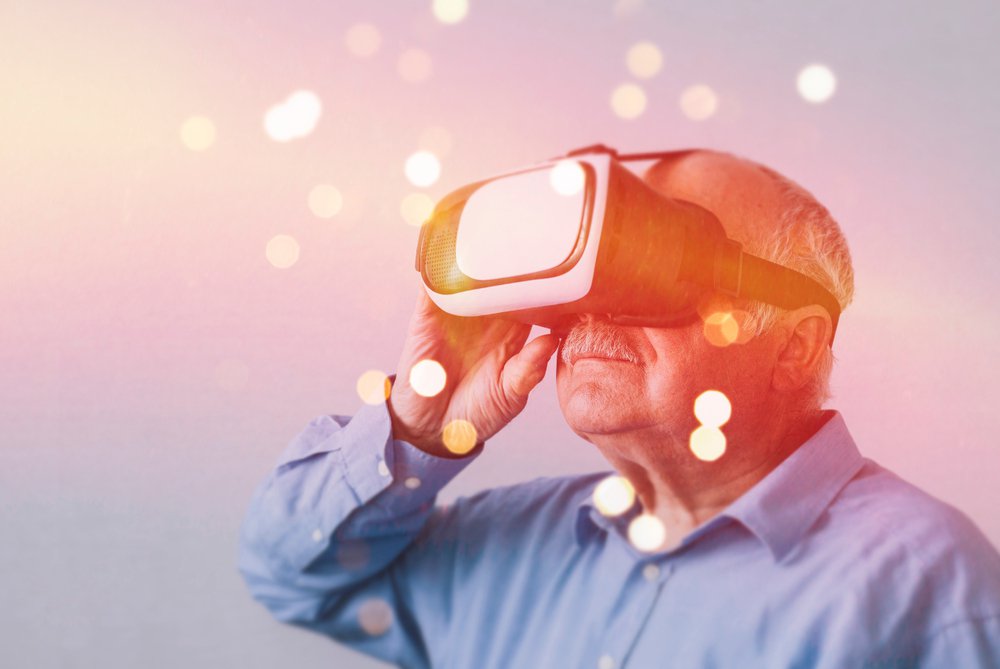
Virtual reality (VR) is revolutionizing the approach to therapy for older adults, particularly in memory care settings. With dementia rates continuing to rise, caregivers and clinicians are exploring new ways to support cognition, promote engagement, and preserve quality of life.
One promising avenue is the use of VR technology to foster emotional connection, stimulate the senses, and support reminiscence. As memory care communities integrate more innovative tools, virtual reality is emerging as a meaningful method to enhance resident well-being.
How Virtual Reality Stimulates Memory and Engagement
Memory care residents often experience challenges with short-term memory loss, while many long-term memories remain accessible for years to come. Virtual reality offers immersive experiences that recreate familiar places, sounds, and activities, helping to reactivate these stored memories. By immersing residents in multisensory environments, VR supports emotional reconnection with meaningful moments from their past.

Scientific research highlights the ability of VR to stimulate brain regions associated with memory, including the hippocampus and parahippocampal gyrus, which play crucial roles in spatial memory and contextual recall. These immersive experiences often evoke emotional responses and cognitive activation, such as virtually revisiting a childhood home or walking through a calming natural setting. Such engagement promotes both reminiscence and relaxation.
A study involving seniors with mild cognitive impairment or dementia found that VR therapy significantly improved participants' mood, reduced anxiety, and increased social interaction. Notably, 80% of users reported feeling more engaged and connected after sessions. These emotional benefits contribute to reducing behavioral symptoms and improving overall well-being. Moreover, VR environments offer safe, controllable, and repeatable experiences that enhance sensory engagement without requiring physical travel.
Therapeutic Applications and Emerging Research in Memory Care
Virtual reality is being explored for various therapeutic goals in memory care, including reducing anxiety and encouraging physical activity. As technology advances, custom-designed VR applications are increasingly tailored to meet the cognitive and sensory needs of older adults with dementia.
- Reminiscence therapy: VR allows residents to revisit personalized environments from the past, such as a wedding venue, a favorite vacation spot, or a cultural festival. These sessions support identity retention and emotional well-being.
- Relaxation and meditation: Guided virtual sessions in tranquil nature settings can help reduce agitation or sundowning behaviors commonly associated with dementia.
- Cognitive stimulation: Interactive games and puzzles designed in virtual environments challenge the brain while providing enjoyment and purpose.
A recent study published in JMIR Serious Games found that VR interventions led to significant improvements in attention, mood, and social interaction among older adults with cognitive impairment, with participants showing notably higher levels of engagement compared to traditional activities. These results reinforce the potential of VR as a nonpharmacological approach that supports emotional well-being and cognitive stimulation.
Emerging research continues to support virtual reality as a valuable complement to traditional therapies. In particular, the immersive format helps reduce behavioral symptoms such as aggression, while also enhancing orientation and focus. As these tools become more widely adopted, they offer promising new avenues to enrich the quality of life in memory care settings.
Successful Virtual Reality Programs in Senior Living
Across the country, more senior living communities are incorporating VR into their memory care programming. These initiatives demonstrate how thoughtful integration can support daily routines and therapeutic goals. VR offers residents opportunities to engage in stimulating activities that might otherwise be unavailable.
In Colorado, some communities offer weekly VR sessions that allow residents to "travel" to destinations like Paris, national parks, or art museums. Others use VR to help facilitate intergenerational connections by allowing users to attend family events or school plays virtually. These virtual experiences help bridge physical distance and strengthen relationships.
A growing number of senior communities are adopting virtual reality programs, with providers reporting increased resident engagement and participation. According to SeniorSite.org, communities that implemented VR experiences saw noticeable improvements in social interaction, especially among individuals who had previously withdrawn from group settings. These immersive activities have helped foster stronger peer connections, reduced feelings of isolation, and encouraged residents to take part in communal programming.
In one facility, staff noted that residents participating in VR activities were calmer and more cooperative during subsequent care tasks. This aligns with findings that consistent use of virtual engagement tools improves daily rhythms and mood regulation. To maintain impact, successful programs combine VR sessions with one-on-one guidance, group debriefs, and individual choice, reinforcing that the therapy is both meaningful and resident-directed.

Accessibility and Cost Considerations in Memory Care
While virtual reality holds great promise, accessibility and affordability remain significant concerns in memory care settings. Equipment such as headsets, hand controls, and supportive software often carries a substantial upfront cost, which can be a barrier for smaller communities.
Several affordable VR models are now tailored specifically for older users, featuring simplified controls, lighter headsets, and preloaded experiences. Communities that prioritize long-term investment in resident wellness may find that improved engagement offsets the initial expense. According to AARP, more than 6 million Americans are currently living with Alzheimer's disease, a number projected to reach nearly 13 million by 2050. As the need for specialized care increases, ensuring access to innovative therapeutic tools, such as virtual reality, becomes a growing priority.
Some communities explore partnerships with local universities or VR companies to pilot new tools at reduced costs. Additionally, grants and technology initiatives focused on aging populations can help bridge financial gaps, particularly in states that prioritize dementia care innovation. Ultimately, staff training and ongoing support are crucial to ensure the effective implementation of this initiative. Memory care teams must be confident in operating the technology and identifying which residents benefit most from VR sessions.
Creating Meaningful Engagement Through Memory-Focused Therapies
At its best, virtual reality therapy is not just about technology—it's about connection, dignity, and living a purposeful life. In memory care communities, those values must guide every decision around therapeutic design.
Beyond virtual tools, engaging environments often blend physical, emotional, and sensory stimulation. For example, personalized music playlists, tactile materials, and interactive storytelling can work in harmony with VR to deepen the benefits.
Creating a dementia-friendly atmosphere also means designing spaces that feel familiar and empowering. When paired with tools like wearable safety tech or real-time health monitoring, the result is a holistic care approach that prioritizes both safety and connection.
The future of memory care lies in combining human empathy with the right technologies to promote cognitive health. Virtual reality is not a cure, but it is a tool that can restore joy, dignity, and agency to residents facing memory loss.

Redefining Care Through Innovation and Connection
Virtual reality therapy offers new hope for those living with dementia. It transforms how we support cognition, engagement, and emotional well-being. From reminiscence journeys to calming meditation sessions, these immersive tools create meaningful moments of connection for both residents and caregivers.
Innovative senior living communities that prioritize person-centered, memory-focused therapies continue to lead the way in improving quality of life. Moreover, one such community offers virtual reality alongside other research-based programs designed to engage, empower, and enrich the lives of those in memory care. To learn how personalized therapies and immersive experiences support residents each day, visit Assured Assisted Living.